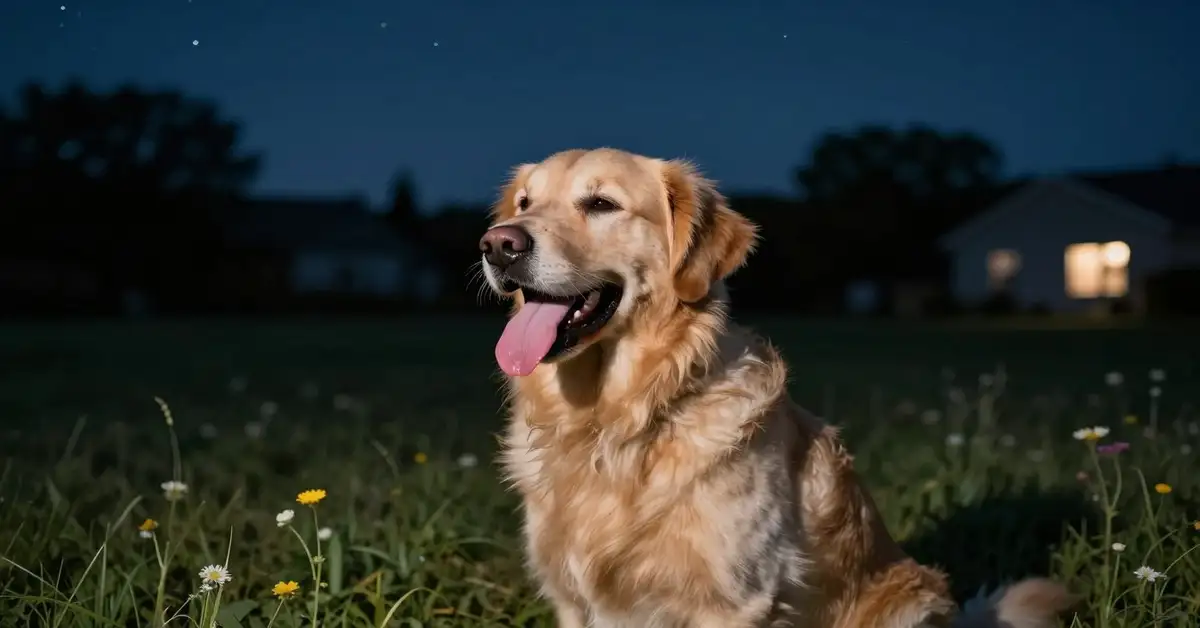
Why Is My Dog Panting at Night? If you’re wondering why your dog is panting at night, you’re not alone. Many dog owners are concerned when they notice their pets exhibiting this behavior.
Panting is a normal behavior for dogs, but when it occurs at night, it can be a sign of an underlying issue. Understanding the causes is crucial to providing the right care and comfort for your pet.
There are several reasons why dogs pant at night, ranging from environmental factors to health conditions. Identifying the root cause is essential to addressing the issue effectively.
Key Takeaways
- Nighttime panting can be caused by various factors, including environmental and health-related issues.
- Understanding the underlying cause is crucial for providing the right care.
- Environmental adjustments can help alleviate nighttime panting.
- Health conditions may require veterinary attention.
- Monitoring your dog’s behavior is key to identifying the cause.
Understanding Normal vs. Abnormal Panting in Dogs
Dogs pant for various reasons, and understanding the difference between normal and abnormal panting is crucial for dog owners. Panting is a natural behavior for dogs, serving as their primary method of regulating body temperature. Unlike humans, dogs do not sweat over most of their bodies; instead, they pant to evaporate water from their tongues, the surfaces of their lungs, and the lining of their mouths.
Normal panting typically occurs after exercise, in hot weather, or when a dog is excited or stressed. However, panting at night can be particularly concerning for dog owners, as it may indicate an underlying issue that needs attention. It’s essential to differentiate between normal nighttime panting and panting that could be a sign of a health problem.
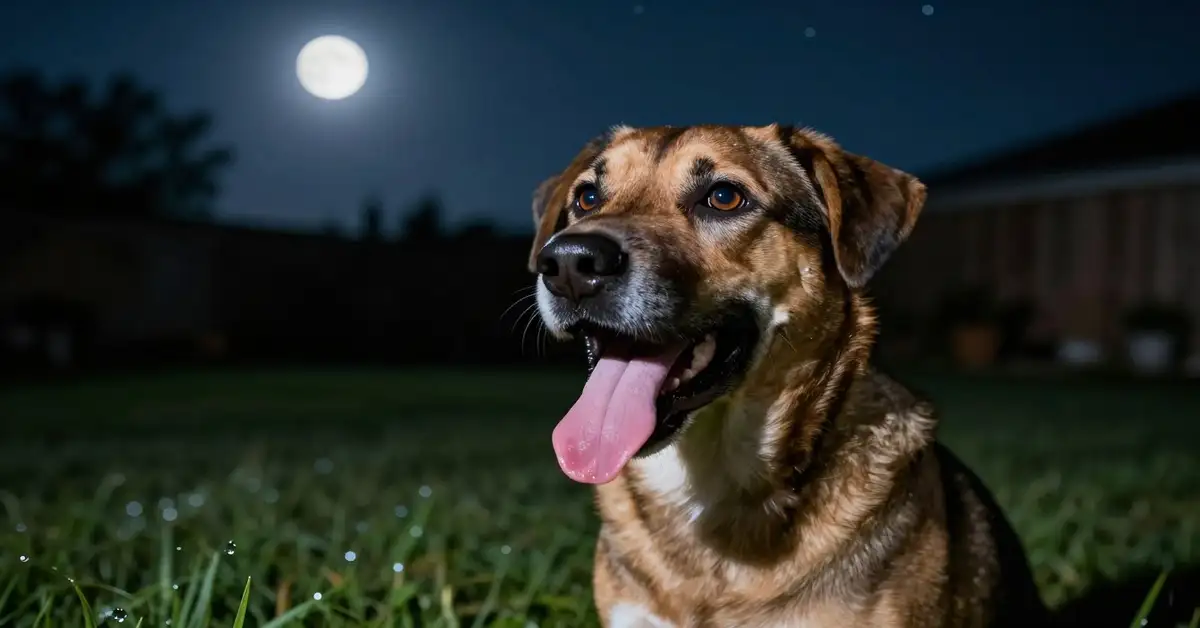
Several factors can contribute to abnormal panting in dogs, including heatstroke, respiratory problems, heart disease, and anxiety. According to Dr. Marty Becker, a veterinarian, “Panting is a dog’s way of cooling themselves, but it can also be a sign of distress or discomfort.”
“Panting is a dog’s way of cooling themselves, but it can also be a sign of distress or discomfort.” – Dr. Marty Becker
To better understand whether your dog’s panting is normal or abnormal, consider the following factors:
- The context in which the panting occurs (e.g., after exercise, in hot weather)
- The intensity and duration of the panting
- Any accompanying symptoms, such as coughing, wheezing, or restlessness
| Characteristics | Normal Panting | Abnormal Panting |
|---|---|---|
| Context | After exercise, in hot weather | At night, without obvious reason |
| Intensity and Duration | Moderate, ceases after rest or cooling down | Severe, persists despite rest or cooling down |
| Accompanying Symptoms | None | Coughing, wheezing, restlessness |
Understanding these differences is key to identifying why your dog is panting at night and determining the appropriate course of action. If you’re concerned about your dog’s panting, it’s always best to consult with a veterinarian to rule out any potential health issues.
Heat and Temperature Regulation Issues
When the temperature isn’t right, dogs can pant excessively at night, indicating a regulation issue. Dogs, unlike humans, do not sweat over most of their bodies to cool down. Instead, they rely on panting to regulate their body temperature.
Environmental factors play a significant role in a dog’s ability to regulate its temperature. A room that is too warm or lacks proper ventilation can cause discomfort, leading to increased panting.
Factors Contributing to Nighttime Panting:
- High room temperature
- Lack of ventilation
- Inadequate hydration
- Excessive bedding or heavy blankets
To mitigate these issues, it’s essential to ensure the room is at a comfortable temperature and provide adequate hydration. Simple adjustments can make a significant difference.
Solutions to Help Regulate Your Dog’s Temperature:
| Solution | Description | Benefit |
|---|---|---|
| Keep the room cool | Use air conditioning or a fan | Reduces panting caused by heat |
| Ensure proper ventilation | Open windows or use vents | Improves air circulation |
| Provide cool water | Ensure access to fresh, cool water | Helps in cooling down the dog |
By understanding and addressing heat and temperature regulation issues, you can help your dog sleep more comfortably and reduce nighttime panting.
Pain and Discomfort as Hidden Culprits
Nighttime panting in dogs is not always about the temperature; sometimes it’s about the pain they’re experiencing. Pain and discomfort can be significant contributors to why your dog is panting at night. Various conditions can cause this pain, ranging from arthritis to injuries.
Common Causes of Pain Leading to Nighttime Panting:
- Arthritis and joint pain
- Injuries or surgical complications
- Dental issues or oral pain
- Internal health conditions
Arthritis is a common issue in older dogs, causing joint pain that can worsen at night, leading to panting. Similarly, injuries or post-surgical discomfort can cause significant pain, making it difficult for dogs to relax and sleep, thus resulting in panting.
| Condition | Symptoms | Potential Impact on Nighttime Panting |
|---|---|---|
| Arthritis | Joint pain, stiffness | Increased pain at rest, leading to panting |
| Injuries/Surgical Complications | Pain, swelling | Discomfort causing restlessness and panting |
| Dental Issues | Oral pain, difficulty eating | Pain and discomfort affecting overall comfort |
Identifying the underlying cause of pain is crucial. If your dog is panting at night due to pain, it’s essential to consult with a veterinarian to determine the cause and appropriate treatment. Early diagnosis can significantly improve your dog’s quality of life.
Understanding that pain is a potential reason for your dog’s nighttime panting can help you take the first step towards addressing the issue. By working with your veterinarian, you can develop a plan to manage your dog’s pain and improve their sleep.
Anxiety and Stress-Related Panting
Nighttime panting in dogs can be a sign of underlying anxiety or stress. Many factors can contribute to a dog’s anxiety, including changes in their environment, separation anxiety, or noise phobias. Understanding these causes is crucial to addressing the issue effectively.
Dogs experiencing anxiety or stress may exhibit a range of behaviors, including panting, pacing, or restlessness. Separation anxiety is a common issue where dogs become distressed when left alone, leading to panting and other anxious behaviors at night.
Noise phobias can also cause significant stress in dogs, triggering panting and other reactions to loud noises. Identifying the source of your dog’s anxiety is the first step in finding a solution.
To alleviate anxiety-related panting, several strategies can be employed:
- Creating a calm environment through white noise machines or calming music.
- Using calming aids such as pheromone diffusers or calming treats.
- Implementing a consistent bedtime routine to signal to your dog that it’s time to sleep.
- Gradually desensitizing your dog to the source of their anxiety.
The effectiveness of these strategies can vary depending on the dog and the severity of their anxiety. The following table summarizes potential approaches and their benefits:
| Strategy | Benefits |
|---|---|
| White Noise Machines | Masks disturbing sounds, promoting a calm environment. |
| Pheromone Diffusers | Simulates natural calming pheromones, reducing anxiety. |
| Calming Treats | Contains ingredients that help soothe and calm the dog. |
By understanding the causes of your dog’s nighttime panting and implementing appropriate strategies, you can help alleviate their anxiety and improve their sleep quality.
Heart and Respiratory Conditions
Underlying heart and respiratory conditions are among the critical reasons why dogs pant at night, requiring a closer look. These conditions can significantly impact a dog’s quality of life, and understanding their implications is crucial for dog owners.
Heart disease, for instance, can lead to panting due to the heart’s reduced efficiency in pumping blood, resulting in inadequate oxygen supply to the body’s tissues. Similarly, respiratory conditions such as chronic bronchitis or pneumonia can cause panting due to the difficulty in breathing.
Common Heart and Respiratory Conditions Affecting Dogs:
- Heart Disease
- Chronic Bronchitis
- Pneumonia
- Chronic Obstructive Pulmonary Disease (COPD)
These conditions can cause dogs to pant more frequently, especially at night, as the body tries to compensate for the lack of oxygen or due to the discomfort caused by the condition.
| Condition | Symptoms | Veterinary Care |
|---|---|---|
| Heart Disease | Panting, coughing, lethargy | Regular check-ups, medication |
| Chronic Bronchitis | Coughing, panting, difficulty breathing | Medication, lifestyle changes |
| Pneumonia | Fever, coughing, panting, loss of appetite | Antibiotics, rest, hydration |
If you suspect your dog is suffering from a heart or respiratory condition, it’s crucial to seek veterinary care. Early diagnosis and treatment can significantly improve your dog’s quality of life.
Cushing’s Disease and Hormonal Imbalances
Nighttime panting in dogs can be a symptom of an underlying hormonal imbalance, such as Cushing’s disease. Cushing’s disease is a common endocrine disorder in dogs characterized by the overproduction of cortisol, a hormone produced by the adrenal gland.
This condition can lead to a variety of symptoms, including excessive panting, especially at night. Other symptoms may include increased thirst and urination, weight gain, and changes in the dog’s coat. Understanding the link between Cushing’s disease and nighttime panting is crucial for dog owners to provide appropriate care.
The diagnosis of Cushing’s disease involves several tests, including blood tests, urine tests, and imaging studies. Treatment options depend on the underlying cause of the disease and may include medication, surgery, or radiation therapy. Managing Cushing’s disease can help alleviate symptoms like nighttime panting.
Besides Cushing’s disease, other hormonal imbalances can also cause panting in dogs. For instance, hypothyroidism, a condition where the thyroid gland doesn’t produce enough thyroid hormone, can lead to changes in a dog’s metabolism and energy levels, potentially causing panting.
It’s essential for dog owners to work closely with their veterinarian to diagnose and manage hormonal imbalances. By understanding the underlying cause of their dog’s nighttime panting, owners can take steps to ensure their dog’s comfort and health.
Recognizing the signs of hormonal imbalances and seeking veterinary care can significantly improve a dog’s quality of life.
Obesity and Its Impact on Nighttime Breathing
One of the often-overlooked causes of nighttime panting in dogs is obesity, which can lead to serious respiratory issues. Obesity in dogs is a significant health concern that affects not only their mobility and overall health but also their breathing patterns.
When a dog is overweight, the excess fat can put additional strain on their respiratory system. This strain can lead to labored breathing, which is often more pronounced when the dog is at rest or sleeping. The extra weight around the chest and diaphragm can restrict the dog’s ability to breathe deeply, leading to panting as a way to compensate for the lack of oxygen.
Managing Your Dog’s Weight
Managing your dog’s weight is crucial for alleviating nighttime panting caused by obesity. This can be achieved through a combination of a healthy, balanced diet and regular exercise. It’s essential to work with your veterinarian to develop a weight management plan tailored to your dog’s specific needs.
- Feed a high-quality, nutrient-rich dog food that is appropriate for your dog’s age, size, and activity level.
- Limit treats and snacks, which can be high in calories and low in nutritional value.
- Increase your dog’s physical activity through regular walks, playtime, and other exercises suitable for their health status.
By addressing obesity and implementing a weight management plan, you can help reduce your dog’s nighttime panting and improve their overall health and well-being.
Medication Side Effects and Drug Reactions
Certain drugs can lead to panting in dogs during the night as an adverse reaction. If your dog is on medication and starts panting excessively at night, it’s crucial to understand whether the medication could be the cause.
Common Medications That Might Cause Panting:
- Steroids: Used for reducing inflammation, steroids can cause panting among other side effects.
- Thyroid Medications: Dogs on thyroid medication might experience panting if the dosage is not correctly adjusted.
- Heart Medications: Certain heart medications can lead to panting as a side effect.
If you suspect your dog’s medication is causing nighttime panting, consult with your veterinarian. They can assess whether the panting is a side effect of the medication and adjust the treatment plan accordingly.
What to Do If Your Dog’s Medication Is Causing Panting:
| Action | Description |
|---|---|
| Consult Your Veterinarian | Discuss the panting issue with your vet to determine if it’s medication-related. |
| Adjust Medication | Your vet may adjust the dosage or switch to a different medication. |
| Monitor Your Dog | Keep a close eye on your dog’s condition and report any changes to your vet. |
Understanding the potential side effects of your dog’s medication is key to addressing nighttime panting. Always work closely with your veterinarian to ensure your dog’s health and comfort.
Age-Related Factors in Senior Dogs
Aging dogs undergo numerous physiological changes that can affect their breathing patterns, especially during the night. As dogs age, their ability to regulate body temperature and maintain healthy respiratory function can decline, leading to increased panting.
One significant age-related factor is decreased mobility. Senior dogs may not be as active as they once were, leading to reduced cardiovascular health and potentially causing them to pant more at night due to the strain on their heart. Regular, gentle exercise can help maintain their mobility and overall health.
Age-related diseases are another critical factor. Conditions such as arthritis, heart disease, and Cushing’s Disease are more common in older dogs and can contribute to nighttime panting. For instance, arthritis can cause pain that disrupts their sleep, while heart disease can lead to respiratory distress.
Caring for senior dogs requires a multifaceted approach. Ensuring they have a comfortable place to rest, managing their weight through diet and exercise, and regular veterinary check-ups can help minimize nighttime panting. Monitoring their behavior and adjusting their care plan as needed is crucial.
It’s also essential to review their medication regimen with a veterinarian, as some medications can affect breathing patterns. By understanding and addressing these age-related factors, you can help improve your senior dog’s quality of life and reduce nighttime panting.
Why Is My Dog Panting at Night: When to See a Veterinarian
Nighttime panting in dogs can be a symptom of an underlying issue that needs veterinary attention. While many causes of nighttime panting can be managed with home care, there are times when veterinary intervention is necessary.
It’s essential to monitor your dog’s behavior and identify signs that may indicate a need for professional medical care. Difficulty breathing, restlessness, and panting accompanied by other symptoms like coughing or lethargy are red flags that should not be ignored.
“If your dog is experiencing severe symptoms such as labored breathing, blue-tinged gums, or fainting, seek immediate veterinary care.”
Other concerning symptoms that warrant a vet visit include:
- Panting that persists despite a cool environment
- Changes in appetite or water intake
- Vomiting or diarrhea
- Restlessness or inability to settle
Understanding the potential causes of your dog’s nighttime panting is crucial. The following table summarizes common reasons and when to seek veterinary care:
| Cause | Symptoms | When to Seek Care |
|---|---|---|
| Heatstroke | Excessive panting, drooling, collapse | Immediate |
| Heart Disease | Coughing, difficulty breathing, lethargy | Within 24 hours |
| Anxiety | Panting, pacing, destructive behavior | Within a few days if persistent |
If you’re unsure about your dog’s health or if their panting is accompanied by other concerning symptoms, it’s always best to consult with a veterinarian. Early diagnosis and treatment can significantly improve your dog’s quality of life.
Practical Solutions to Help Your Dog Sleep Better
Dogs panting at night can be distressing; hence, finding effective solutions to promote better sleep is essential. One of the primary factors to consider is the sleep environment. Ensuring that your dog’s sleeping area is comfortable, quiet, and at a comfortable temperature can significantly impact their ability to sleep soundly.
Creating a conducive sleep environment involves more than just temperature control. It includes providing a supportive bed that maintains its shape and comfort throughout the night. Orthopedic dog beds are highly recommended as they offer the necessary support for your dog’s joints, potentially reducing discomfort that could lead to panting.
Managing underlying health issues is another critical aspect. If your dog is panting due to pain or discomfort, consulting with a veterinarian to address these issues is crucial. This might involve managing your dog’s weight, treating allergies, or addressing other health concerns that could be impacting their sleep.
Adjusting your dog’s routine can also be beneficial. Regular exercise and mental stimulation during the day can help promote better sleep at night. However, it’s essential to avoid vigorous exercise close to bedtime as it might have the opposite effect.
Additionally, establishing a calming pre-sleep routine can signal to your dog that it’s time to sleep. This could include activities like gentle petting, reading, or a relaxing walk. Such routines can help in reducing your dog’s stress and anxiety levels, making it easier for them to fall asleep and stay asleep.
- Provide a comfortable sleeping area
- Manage underlying health issues
- Adjust exercise and pre-sleep routines
- Consider orthopedic beds for joint support
By implementing these practical solutions, you can help improve your dog’s sleep quality and reduce nighttime panting.
Conclusion
Understanding why is my dog panting at night is crucial for providing the necessary care and comfort. Various factors, including heat and temperature regulation issues, pain and discomfort, anxiety and stress, heart and respiratory conditions, Cushing’s disease, obesity, medication side effects, and age-related factors, can contribute to nighttime panting.
By identifying the underlying cause, dog owners can take steps to address the issue, such as creating a comfortable sleeping environment, managing their dog’s weight, and consulting with a veterinarian to rule out underlying medical conditions.
If your dog is panting at night, it’s essential to monitor their behavior and seek professional advice if the panting persists or is accompanied by other concerning symptoms. By taking a proactive approach, you can help your dog sleep better and improve their overall well-being.