What Do Ring Worms Look Like On Dogs? Ringworm is a common fungal infection that affects dogs, causing circular skin lesions. As a dog owner, it’s essential to recognize the signs of ringworm symptoms in dogs to provide timely treatment.
Understanding ringworm is crucial for dog owners to ensure their pets receive proper care. The infection can cause discomfort and lead to further complications if left untreated.
Key Takeaways
- Ringworm is a fungal infection that causes circular skin lesions in dogs.
- Recognizing ringworm symptoms is crucial for timely treatment.
- Dog owners should be aware of the signs to provide proper care.
- Untreated ringworm can lead to further complications.
- Proper diagnosis is essential for effective treatment.
What Does Ringworm Look Like on a Dog?
Recognizing the visual signs of ringworm is crucial for early detection and effective treatment in dogs. Ringworm, a fungal infection, manifests in various ways on canine skin.
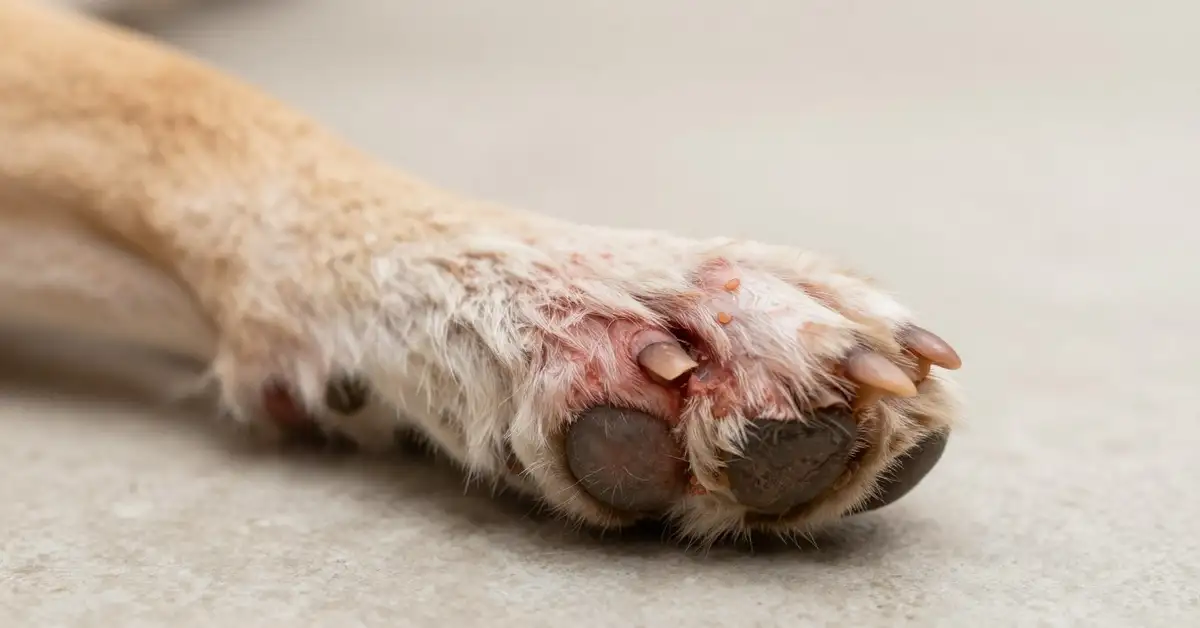
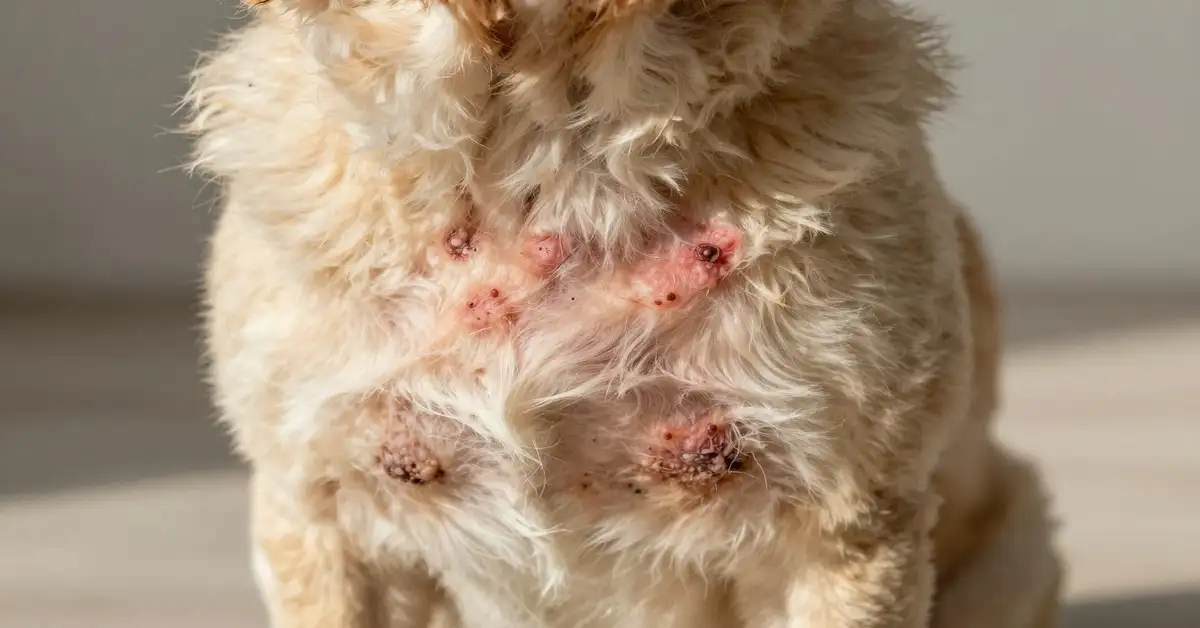
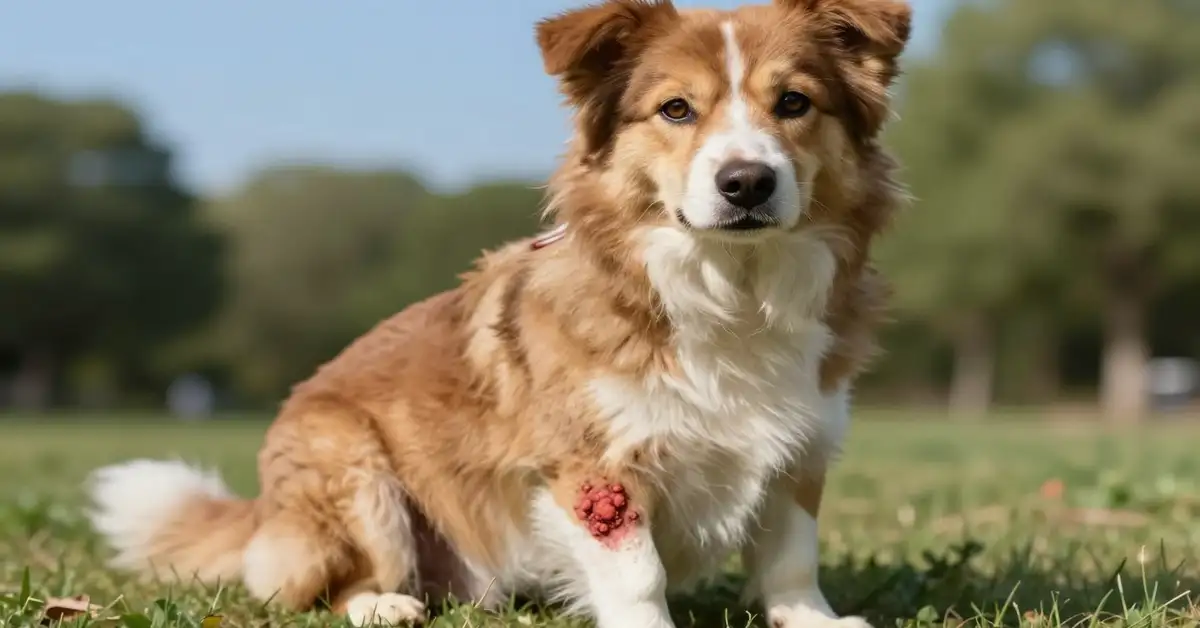
The typical appearance of ringworm lesions includes circular patches that are often red, inflamed, and may be accompanied by hair loss. These lesions can appear anywhere on a dog’s body but are most commonly found on the head, ears, and front legs.
The lesions may vary in size and can merge to form larger areas of infection. In some cases, the lesions may become crusty or scaly, and secondary bacterial infections can occur, leading to further complications.
Common Characteristics of Ringworm Lesions:
- Circular or ring-shaped patches
- Redness and inflammation
- Hair loss around the affected area
- Crusty or scaly texture in some cases
Understanding these visual signs is essential for dog owners to identify ringworm early and seek veterinary care. The table below summarizes the key features of ringworm lesions and their typical locations.
| Lesion Characteristics | Common Locations |
|---|---|
| Circular, red, inflamed | Head, ears |
| Hair loss, crusty texture | Front legs, body |
| Variable size, potential for merging | Any area, often exposed skin |
Early Signs and Symptoms of Ringworm in Dogs
The initial signs of ringworm in dogs can be quite varied, making it essential for dog owners to be vigilant about any changes in their pet’s skin or coat. Ringworm, a fungal infection, can manifest in different ways, and being aware of these signs is the first step towards getting your dog the care they need.
One of the most common early signs of ringworm is the appearance of circular lesions on the dog’s skin. These lesions can be red, inflamed, and may have a crusty appearance. It’s crucial to monitor your dog’s skin closely, as early detection can significantly improve treatment outcomes.
In addition to skin lesions, dogs with ringworm may exhibit other symptoms such as itching, redness, and hair loss around the affected areas. The severity of these symptoms can vary depending on the individual dog and the extent of the infection.
To better understand the symptoms, let’s look at a comparison of common ringworm symptoms in dogs:
| Symptom | Description | Severity |
|---|---|---|
| Circular Lesions | Red, inflamed, and potentially crusty skin lesions | Moderate to Severe |
| Itching | Dog may scratch or rub against surfaces due to discomfort | Mild to Severe |
| Hair Loss | Hair loss around the affected areas | Mild to Moderate |
Recognizing these symptoms early on can make a significant difference in treating ringworm effectively. If you suspect your dog is showing signs of ringworm, it’s essential to consult with a veterinarian for a proper diagnosis and treatment plan.
Understanding the Different Stages of Ringworm
The progression of ringworm in dogs can be broken down into distinct stages, from initial infection to healing. Understanding these stages is vital for dog owners to provide the right care and know when to seek veterinary help.
Initially, ringworm infection may not be visible, as it starts with the fungus coming into contact with the dog’s skin. The incubation period can last from a few days to several weeks, during which the dog may not show any symptoms.
As the infection progresses to the active stage, symptoms become more apparent. Dog owners may notice circular lesions on the skin, which can be red, inflamed, and itchy. These lesions can appear anywhere on the dog’s body and may spread if not treated.
It’s crucial to recognize that ringworm is highly contagious and can be transmitted to other pets and even humans. As such, prompt treatment is essential to prevent the spread of the infection.
The healing stage involves treating the infection with antifungal medications and maintaining good hygiene practices. The table below outlines the typical stages of ringworm and their characteristics.
| Stage | Characteristics | Duration |
|---|---|---|
| Incubation | No visible symptoms | Few days to several weeks |
| Active | Circular lesions, redness, inflammation | Variable, depends on treatment |
| Healing | Lesions start to heal, hair regrowth | Several weeks to months |
“Early detection and treatment of ringworm are critical to prevent its spread and ensure the dog’s comfort and health.”
Understanding the different stages of ringworm helps dog owners take proactive steps in managing the condition. By recognizing the signs early and seeking appropriate veterinary care, dog owners can help their pets recover more quickly.
How Ringworm Differs from Other Skin Conditions
Ringworm symptoms in dogs can be misleading, making it essential to understand how it differs from other skin conditions. Ringworm, a fungal infection, is often confused with bacterial infections, allergies, or eczema due to similarities in appearance.
One of the key differences lies in the cause of the condition. Ringworm is caused by a fungal infection, whereas bacterial infections are caused by bacteria, and allergies or eczema are typically reactions to environmental factors or allergens.
The appearance of ringworm can also be distinct. It usually presents as circular, bald patches on the skin, often with a red, inflamed border. In contrast, bacterial infections might cause more diffuse redness or pustules, while allergies or eczema can lead to widespread itching and skin irritation.
Another distinguishing factor is the location of the affected area. Ringworm can appear anywhere on the dog’s body but often starts on the head, ears, or front legs. Understanding these differences is crucial for dog owners to identify ringworm accurately and seek appropriate veterinary care.
In summary, while ringworm shares some similarities with other skin conditions, its fungal cause, characteristic circular lesions, and specific locations on the body set it apart. Recognizing these differences is vital for effective diagnosis and treatment.
What Causes Ringworm in Dogs
Ringworm, a common fungal infection in dogs, is triggered by dermatophytes that feed on keratin. This infection is not caused by a worm, as the name might suggest, but by various species of fungi.
The primary fungi responsible for ringworm in dogs are Microsporum canis, Microsporum gypseum, and Trichophyton mentagrophytes. Dogs can contract ringworm through direct contact with infected animals or indirectly through contact with contaminated environments.
Factors Increasing Susceptibility
- Poor nutrition and weakened immune systems
- Age – very young or old dogs
- Pre-existing skin conditions
- Overcrowding or unsanitary living conditions
Understanding these factors is crucial for prevention and effective management of ringworm in dogs.
| Fungus Type | Common Source | Transmission Method |
|---|---|---|
| Microsporum canis | Infected animals | Direct contact |
| Microsporum gypseum | Contaminated soil | Indirect contact |
| Trichophyton mentagrophytes | Infected animals or rodents | Direct or indirect contact |
By recognizing the causes and risk factors associated with ringworm, dog owners can take proactive steps to protect their pets and manage the infection effectively if it occurs.
How Veterinarians Diagnose Ringworm
The diagnosis of ringworm in canine patients requires a combination of traditional and modern veterinary techniques. Veterinarians use a variety of methods to accurately diagnose ringworm, ensuring effective treatment plans.
Wood’s Lamp Examination
One of the initial diagnostic tools is the Wood’s Lamp Examination. This technique involves shining a special ultraviolet light on the affected area. Some ringworm fungi fluoresce under this light, making it easier to identify infected areas. However, not all ringworm species react to the Wood’s Lamp, so further testing is often necessary.
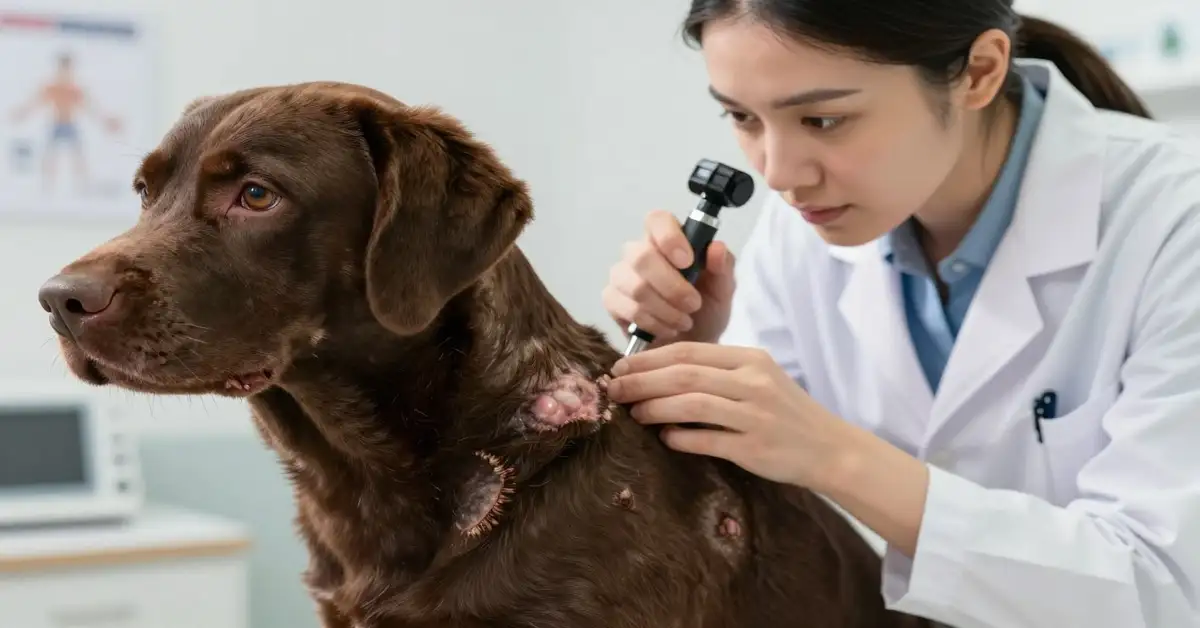
Fungal culture testing is considered a gold standard for diagnosing ringworm. This involves taking a sample from the affected area and growing it in a culture medium. While this method is highly accurate, it can take several weeks to yield results. Veterinarians often use this test in conjunction with other diagnostic methods to ensure a timely diagnosis.
Microscopic Hair and Skin Examination
A microscopic examination of hair and skin samples can also aid in diagnosing ringworm. By examining the samples under a microscope, veterinarians can look for signs of fungal infection, such as spores on the hair shaft. This method provides a more immediate diagnosis compared to fungal culture testing.
| Diagnostic Method | Description | Time to Results |
|---|---|---|
| Wood’s Lamp Examination | Uses UV light to detect fluorescence | Immediate |
| Fungal Culture Testing | Grows fungal samples in a culture | Several weeks |
| Microscopic Examination | Examines hair and skin samples under a microscope | Immediate to a few days |
As noted by veterinary experts, “A combination of diagnostic techniques is often necessary to accurately diagnose ringworm in dogs.” This comprehensive approach ensures that dog owners receive an accurate diagnosis, enabling them to seek appropriate treatment for their pets.
“Diagnosing ringworm requires a careful and multi-faceted approach, incorporating various diagnostic tools to ensure accuracy.”
Effective Treatment Options for Dog Ringworm
Effective management of ringworm symptoms in dogs involves a combination of topical and oral treatments, along with thorough environmental decontamination. The goal is to eliminate the fungal infection, reduce the risk of recurrence, and prevent transmission to other pets and humans.
Treating ringworm effectively requires a multi-faceted approach. Topical treatments are usually the first line of defense, with antifungal shampoos and creams being commonly used to directly target the fungal lesions. Clotrimazole and miconazole are popular topical antifungal agents.
In more severe cases, or when the infection is widespread, oral antifungal medications may be prescribed. Griseofulvin and itraconazole are commonly used oral antifungals for treating ringworm in dogs. These medications work systemically to eliminate the fungal infection from the inside out.
Environmental decontamination is also crucial. This involves thoroughly cleaning and disinfecting the dog’s living areas, including bedding, grooming tools, and any surfaces the dog has come into contact with. Regular vacuuming and disposal of the vacuum bag after each use can help reduce fungal spores in the environment.
Treatment Advantages and Potential Side Effects
- Topical Treatments: Advantages include direct application to the affected area, minimal side effects. Potential side effects may include skin irritation.
- Oral Antifungals: Advantages include effectiveness for widespread infections. Potential side effects can include gastrointestinal upset, liver toxicity.
By understanding the different treatment options available and their implications, dog owners can make informed decisions about how to manage ringworm symptoms in their dogs effectively.
Preventing Ringworm in Your Dog
Ringworm prevention is crucial for dog owners who want to protect their pets from this common fungal infection. By understanding the causes and taking preventive measures, you can significantly reduce the risk of your dog contracting ringworm.
Maintaining Good Hygiene is one of the most effective ways to prevent ringworm. This includes regularly cleaning your dog’s environment, such as their bedding and toys, and ensuring that your dog is regularly groomed and bathed.
- Regularly vacuum and disinfect areas where your dog spends time.
- Wash your dog’s bedding and toys frequently.
- Keep your dog’s nails trimmed to prevent the spread of fungal spores.
Reducing Exposure to infected animals or contaminated environments is also crucial. Avoid areas known to have ringworm outbreaks, and be cautious when introducing your dog to other dogs that may be infected.
- Avoid contact with animals that have ringworm.
- Be cautious in environments where ringworm is common, such as dog parks or kennels with poor hygiene.
- Regularly inspect your dog for signs of ringworm, such as lesions or skin irritation.
Boosting your dog’s immune system can also help prevent ringworm. A healthy diet rich in essential nutrients, regular exercise, and adequate veterinary care can all contribute to a stronger immune system.
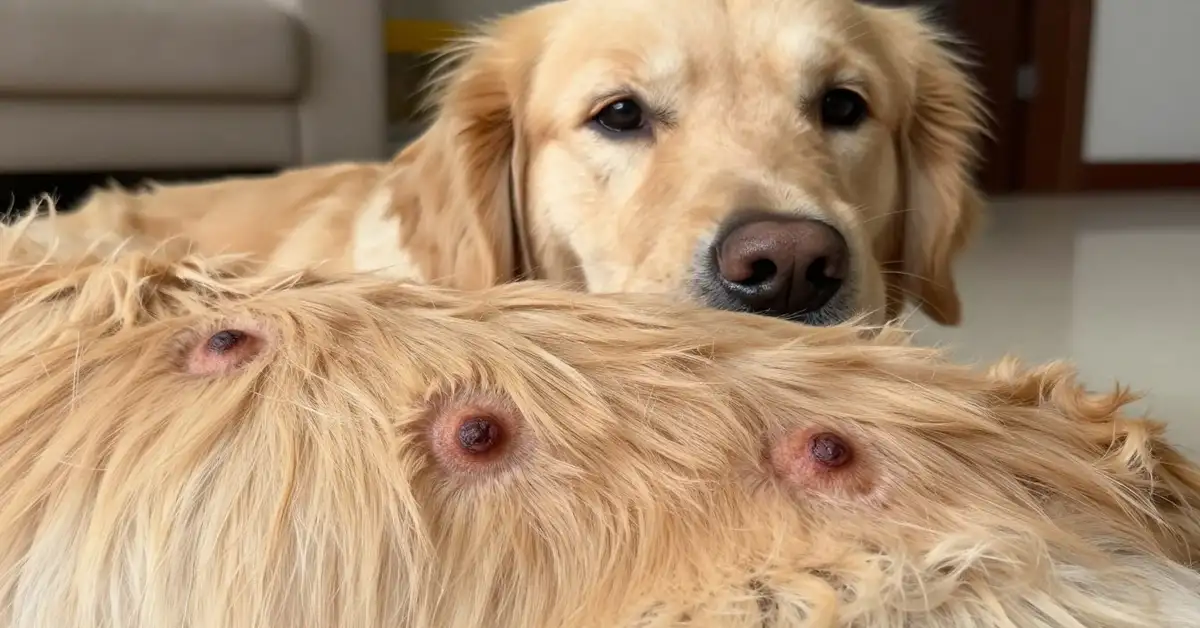
By following these preventive measures, you can significantly reduce the risk of your dog developing ringworm. Remember, prevention is key to managing this common fungal infection.
Conclusion
Understanding what ringworm looks like on a dog is crucial for early detection and effective treatment. By recognizing the early signs and symptoms, dog owners can seek veterinary care promptly, reducing the risk of complications and transmission to other pets or family members.
Identifying ringworm in dogs requires a combination of observation, veterinary diagnosis, and appropriate treatment. By staying vigilant and taking proactive steps to prevent ringworm, dog owners can help keep their pets healthy and happy.
Regular grooming, maintaining a clean environment, and avoiding contact with infected animals are key strategies in preventing ringworm. If you suspect your dog has ringworm, consult with a veterinarian to determine the best course of action for your pet’s specific needs.