Welcoming a spayed dog back home requires careful attention to their recovery process. Ensuring a smooth and safe healing period is crucial for your pet’s well-being. Understanding the dog spaying recovery timeline and essential care tips can make a significant difference in their healing journey.
Proper care during this critical period helps prevent complications and promotes a healthy recovery. By knowing what to expect and how to care for your pet, you can provide the necessary support for a successful spayed dog healing process.
Key Takeaways
- Understand the typical recovery timeline for a spayed dog healing
- Learn essential care tips to support your pet’s healing
- Recognize potential complications and know how to prevent them
- Create a safe and comfortable environment for your pet’s recovery
- Discover the importance of post-spaying care and monitoring
Understanding Dog Spaying: What Happens During the Procedure
When you decide to spay your dog, it’s essential to know what happens during the surgery. Dog spaying, also known as ovariohysterectomy, is a surgical procedure that involves removing your dog’s reproductive organs. This operation is performed by a veterinarian and is typically done under general anesthesia to ensure your dog’s comfort and safety.
Before the spaying procedure, your veterinarian will provide instructions on how to prepare your dog. It’s crucial to follow these instructions carefully to minimize risks. Preparations may include:
- Withholding food and water for a specified period before surgery
- Ensuring your dog is up-to-date on vaccinations and preventatives
- Providing a safe and comfortable environment for your dog to recover
According to the American Animal Hospital Association, “Spaying or neutering your pet can help prevent certain health issues, such as uterine infections and testicular cancer.” Proper pre-surgery preparations are key to a successful spaying procedure.
| Pre-Surgery Preparation | Description |
|---|---|
| Withhold Food and Water | Follow veterinarian’s instructions on fasting before surgery |
| Vaccinations and Preventatives | Ensure your dog is current on all vaccinations and preventatives |
| Comfortable Recovery Space | Prepare a quiet, comfortable area for your dog to recover |
By understanding the dog spaying process and following pre-surgery instructions, you can help ensure a smooth and successful procedure for your dog.
Preparing Your Home for Your Dog’s Return
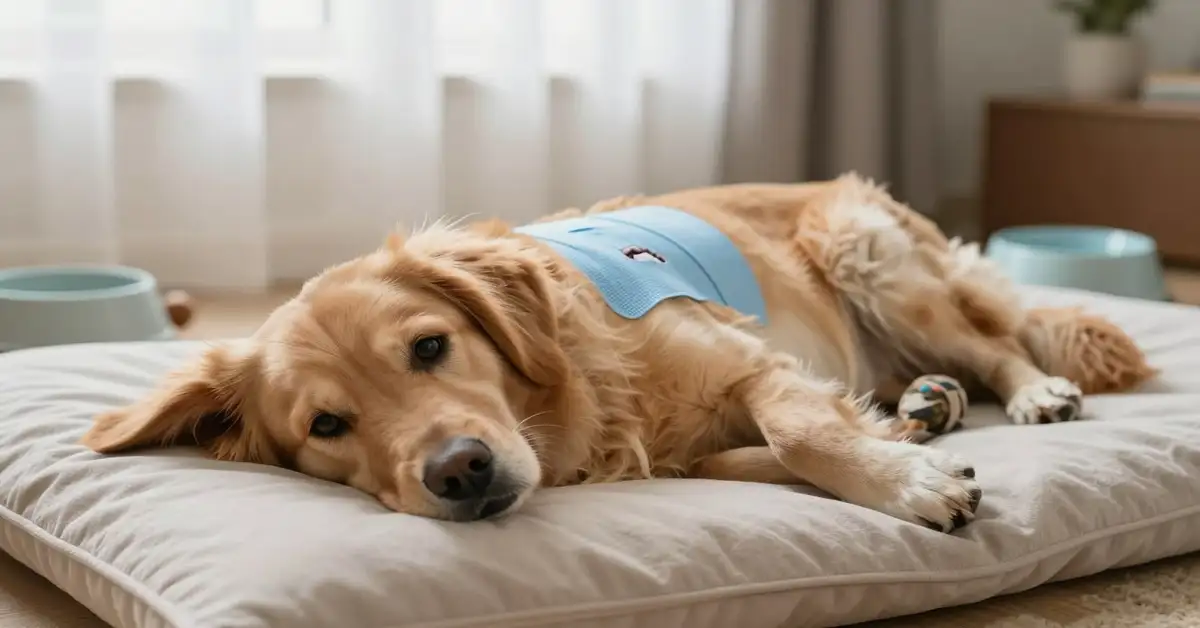
Once your dog undergoes spaying, it’s essential to have a safe and comfortable environment ready for their return. Creating a quiet, stress-free zone can significantly aid in their recovery.
To start, clear a comfortable area where your dog can rest without being disturbed. This area should be away from drafts and other pets. Comfortable bedding is a must; consider using an orthopedic dog bed to provide extra support.
Essential Supplies for Post-Op Care
Having the right supplies on hand is crucial for your dog’s post-op care. Here are some essentials:
| Supply | Purpose |
|---|---|
| Dog cone or e-collar | Prevents licking or biting the incision site |
| Comfortable bedding | Provides support and comfort during recovery |
| Pain medication | Manages pain as prescribed by your vet |
By preparing your home with these essentials, you can ensure a smoother and more comfortable recovery for your dog.
The First 24 Hours: Critical Post-Op Care
The initial 24 hours after your dog is spayed dog healing are crucial for a smooth recovery. During this period, it’s essential to provide a comfortable and safe environment for your dog to heal.
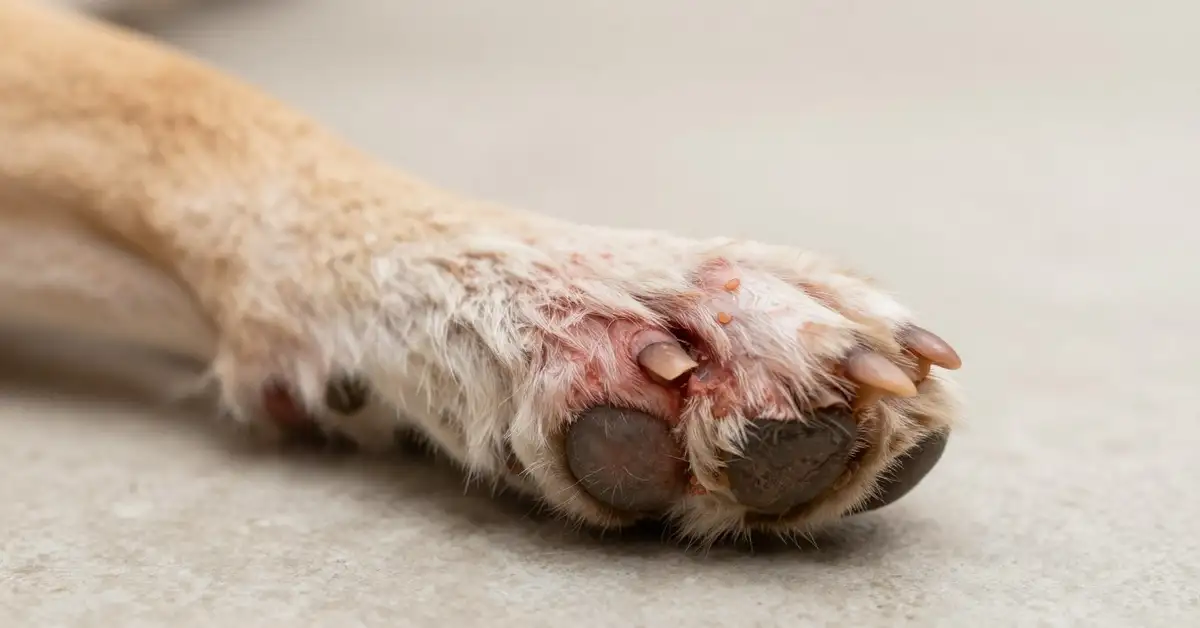
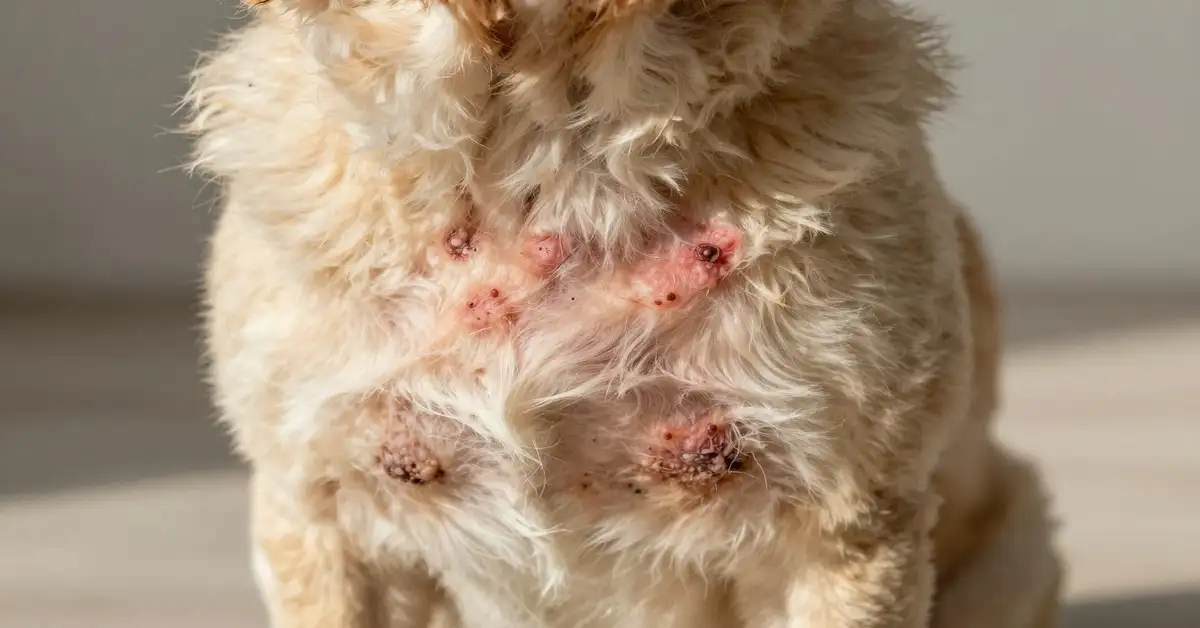
Monitoring your dog’s recovery closely is vital. Keep an eye on the incision site for any signs of infection, such as redness, swelling, or discharge. Also, watch for changes in behavior or appetite, as these can be indicators of complications.
Managing Pain and Discomfort
Managing your dog’s pain is a critical aspect of post-op care. Your veterinarian will likely prescribe pain medication to help alleviate discomfort. Administer the medication as directed, and be aware of any side effects.
To help your dog feel more comfortable, provide a quiet, warm place to rest. You can also use gentle massage or warm compresses to soothe the area around the incision site.
| Care Activity | Frequency | Notes |
|---|---|---|
| Monitor Incision Site | Twice Daily | Check for signs of infection |
| Administer Pain Medication | As Directed | Follow vet’s instructions |
| Provide Rest | Continuous | Ensure a quiet, comfortable space |
By following these guidelines and staying attentive to your dog’s needs, you can help ensure a successful recovery. For more information on spayed dog healing and post-op care, consult with your veterinarian.
Spayed Dog Healing: The First Week Recovery Process
As your dog begins her journey towards healing, understanding the recovery process is essential for a smooth and healthy spayed dog healing experience. The first week after spaying is a critical period that requires careful observation, proper care, and patience.
During this initial week, your dog will likely experience some discomfort, lethargy, and changes in appetite. It’s crucial to monitor these symptoms closely and consult with your veterinarian if you notice anything unusual. Providing a quiet, comfortable space for your dog to rest is vital for her recovery.
In the first week, you can expect your dog to gradually become more active, although she may still be somewhat lethargic. It’s normal for dogs to have a reduced appetite initially, but they should start showing interest in food within a few days. Keep an eye on the incision site for any signs of infection, such as redness, swelling, or discharge.
- Monitor the incision site daily for any signs of complications.
- Limit your dog’s physical activity to prevent strain on the surgical site.
- Follow your veterinarian’s instructions regarding medication and post-operative care.
By understanding the recovery timeline and being aware of the milestones and expectations during the first week, you can better support your dog through the healing process. If you have any concerns or notice any unusual symptoms, don’t hesitate to contact your veterinarian for guidance.
Proper Incision Care and Monitoring
Monitoring and caring for the incision site is essential after your dog is spayed. Proper incision care can significantly reduce the risk of complications and promote a smooth recovery.
Keeping the Incision Clean: It’s crucial to keep the incision site clean to prevent infection. Your veterinarian may recommend a specific cleaning solution or method. Gently clean the area as directed, and pat it dry. Avoid using harsh chemicals or submerging the incision in water until it’s fully healed.
Be vigilant for signs of complications, such as redness, swelling, discharge, or a foul odor from the incision site. Monitor your dog’s temperature and watch for changes in appetite or behavior.
- Redness or swelling around the incision
- Discharge or pus
- Foul odor
- Elevated temperature
- Changes in appetite or behavior
| Signs | Possible Complications |
|---|---|
| Redness, Swelling | Infection, Reaction to sutures |
| Discharge, Odor | Infection |
| Fever, Lethargy | Infection, Pain |
If you notice any of these signs, contact your veterinarian immediately. Early detection and treatment can make a significant difference in your dog’s recovery.
Protective Devices: E-Collars and Alternatives
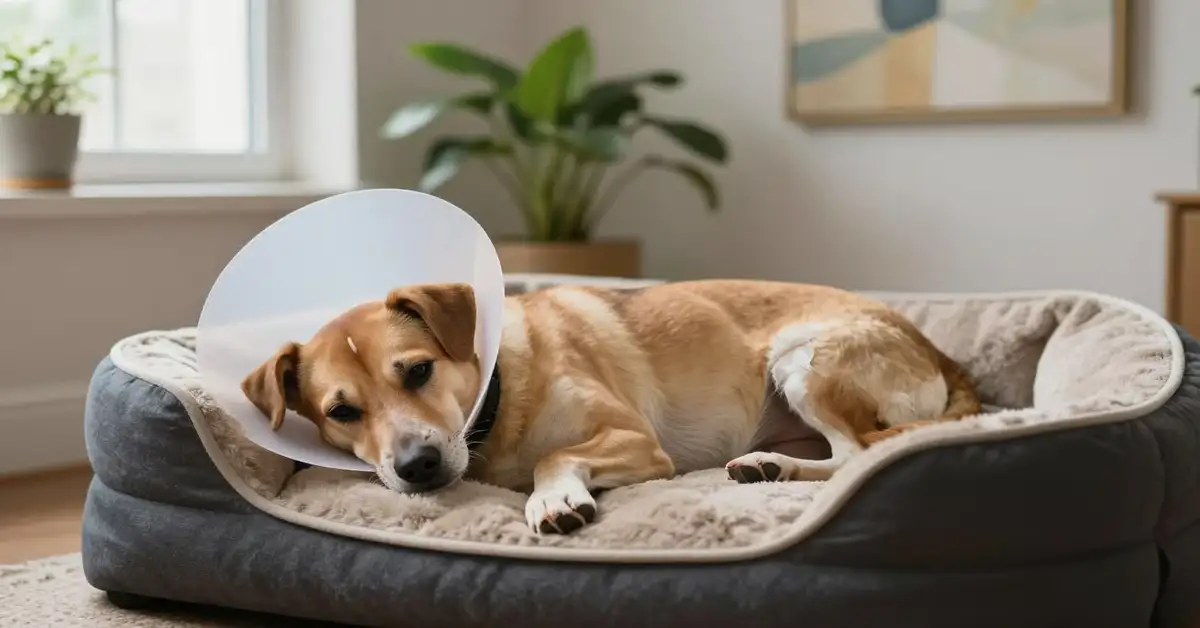
Protective devices play a vital role in your dog’s recovery after spaying. These devices prevent your dog from licking or biting the incision site, which can lead to infection or other complications. The most common protective device used is the e-collar, also known as an Elizabethan collar.
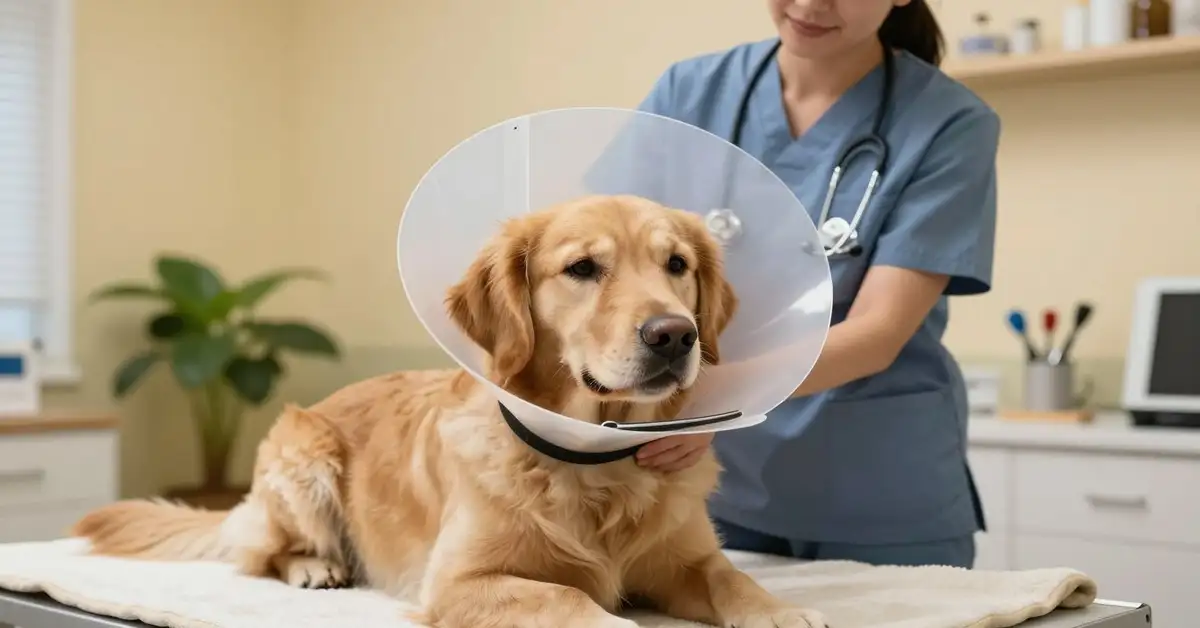
However, some dogs may not tolerate e-collars well, or owners might prefer alternative solutions. Alternatives include inflatable collars, soft e-collars, and recovery suits. Each has its advantages and disadvantages, and the choice depends on your dog’s size, temperament, and specific needs.
Choosing the Right E-Collar or Alternative
When selecting a protective device, consider factors such as comfort, effectiveness, and your dog’s ability to move freely. E-collars come in different sizes and styles, including inflatable and soft versions. Alternatives like recovery suits can provide additional protection by covering more of your dog’s body. It’s essential to follow your veterinarian’s recommendation and monitor your dog’s adjustment to the chosen device.
Managing Pain and Discomfort
Ensuring your dog’s comfort after spaying involves careful pain management. Effective pain relief is crucial for a smooth and stress-free recovery. Your veterinarian will likely prescribe pain medication to help manage your dog’s discomfort.
It’s essential to follow the prescribed dosage and administration instructions carefully to ensure your dog’s safety and comfort. In addition to medication, there are other ways to support your dog’s recovery.
Alternative Methods for Pain Relief
Some dog owners find alternative methods helpful in managing their dog’s pain. These can include:
- Providing a comfortable, quiet space for rest
- Using cold compresses to reduce swelling
- Gentle massage or gentle petting to soothe your dog
It’s crucial to consult with your veterinarian before trying any alternative pain relief methods to ensure they are safe and appropriate for your dog’s specific situation.
Managing pain effectively is key to supporting your dog’s healing process. By combining veterinary guidance with careful observation and care, you can help your dog recover comfortably.
Nutrition and Hydration During Recovery
Nutrition and hydration are key factors in supporting your dog’s health during the post-spay recovery period. Ensuring your dog receives the right nutrients and stays hydrated is vital for a speedy recovery. A balanced diet rich in essential nutrients helps in healing and reduces the risk of complications.
Essential Nutrients for Recovery
Your dog requires a diet rich in proteins, vitamins, and minerals to support the healing process. Proteins are crucial for tissue repair, while vitamins and minerals help in fighting off infections and supporting overall health. Ensure that your dog’s food is nutrient-dense and easily digestible to avoid any gastrointestinal upset during this sensitive period.
Encouraging Hydration
Hydration is equally important as nutrition. Encourage your dog to drink plenty of water by making it easily accessible and considering the addition of low-sodium broth to make it more appealing. Monitor your dog’s water intake and ensure they are drinking enough throughout the day.
A well-nourished and hydrated dog is more likely to recover quickly and comfortably. Consult with your veterinarian for specific dietary recommendations tailored to your dog’s needs and health status.
Special Considerations for Different Dogs
Understanding that each dog has different needs is crucial for providing the best care after spaying. Factors such as age, overall health, and breed can significantly influence a dog’s recovery process.
For instance, older dogs or those with pre-existing health conditions may require more intensive care and monitoring during their recovery. It’s essential to follow your veterinarian’s advice tailored to your dog’s specific needs. Additionally, dogs of certain breeds may have unique characteristics that affect their healing.
Breed-Specific Needs
Different breeds have distinct physical and temperamental traits that can impact their recovery. For example, brachycephalic breeds (like Bulldogs and Pugs) may experience breathing difficulties that could complicate their recovery. Monitoring their breathing and overall comfort is crucial.
Large breed dogs, on the other hand, may need more space to move comfortably and may be more prone to certain complications. Understanding these breed-specific needs can help you provide a more comfortable and safe recovery environment for your dog.
By considering these factors and adjusting your care accordingly, you can support your dog’s healing process and ensure a smoother recovery.
Warning Signs: When to Call Your Veterinarian
Recognizing the warning signs that indicate your dog needs immediate veterinary care is vital after spaying. While complications are rare, being informed can help you respond quickly and effectively.
After spaying, monitor your dog’s behavior and physical condition closely. Look out for signs of infection, such as redness, swelling, or discharge around the incision site. A fever or lethargy can also indicate a problem. If your dog shows any of these symptoms, it’s crucial to contact your veterinarian promptly.
In some cases, your dog may experience more severe complications that require immediate attention. These can include heavy bleeding, severe pain, or difficulty urinating. If you notice any of these emergency signs, do not hesitate to seek veterinary care.
As one veterinary expert puts it, “The key to successful recovery is vigilance and prompt action when needed.” Being aware of these potential issues can help ensure your dog’s safe and healthy recovery.
- Watch for unusual discharge or odor from the incision site.
- Monitor for signs of pain or discomfort that worsen over time.
- Seek immediate care if your dog shows severe symptoms.
By staying informed and vigilant, you can help your dog navigate the recovery process smoothly. If you’re ever in doubt about your dog’s condition, it’s always best to err on the side of caution and consult with your veterinarian.
Complete Recovery Timeline: Weeks 2-4 and Beyond
Knowing what to expect during weeks 2-4 after spaying can significantly impact your dog’s healing process. As your dog continues on the path to full recovery, it’s essential to maintain a balance between rest and gradual return to normal activities.
During weeks 2-4, you can expect your dog’s energy levels to increase gradually. However, it’s crucial to continue monitoring their activity levels to prevent overexertion. Limiting strenuous activities such as jumping or running is still recommended during this period.
The incision site should be nearly healed by the end of week 2, but it’s still important to keep an eye out for any signs of complications. Your veterinarian will likely schedule a follow-up appointment around this time to check on the healing progress.
Long-Term Care and Monitoring
Even after the initial recovery period, ongoing care and monitoring are vital to ensure your dog remains healthy. This includes maintaining a balanced diet, ensuring adequate hydration, and keeping up with regular veterinary check-ups.
| Recovery Stage | Expected Milestones | Care Tips |
|---|---|---|
| Weeks 2-4 | Gradual increase in energy, near-complete incision healing | Continue limiting strenuous activities, monitor incision site |
| Beyond 4 Weeks | Full return to normal activities, complete healing | Maintain regular check-ups, balanced diet, and hydration |
By understanding the complete recovery timeline and adhering to the recommended care tips, you can support your dog through the healing process and ensure a healthy, full recovery.
Conclusion: Supporting Your Dog Through Complete Healing
As you’ve learned throughout this article, proper care is crucial for your dog’s recovery after spaying. By following the guidelines outlined, you can ensure a smooth and successful spayed dog healing process.
Final Tips for a Smooth Recovery
To support your dog’s recovery, continue providing a safe and comfortable environment. Monitor their incision site closely, and follow your veterinarian’s instructions for post-operative dog care. A well-balanced diet and adequate hydration are also essential for optimal healing.
By being attentive to your dog’s needs and following these final tips, you can help them recover fully and thrive after their spaying procedure. Your dedication to their care will ensure a healthy and happy companion for years to come.