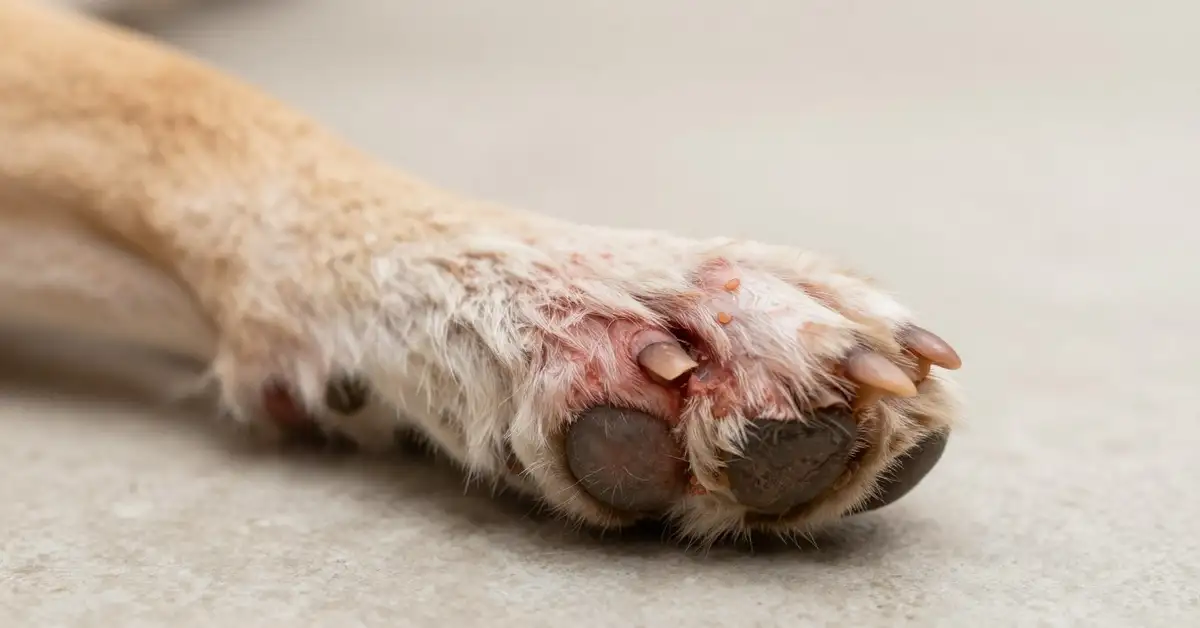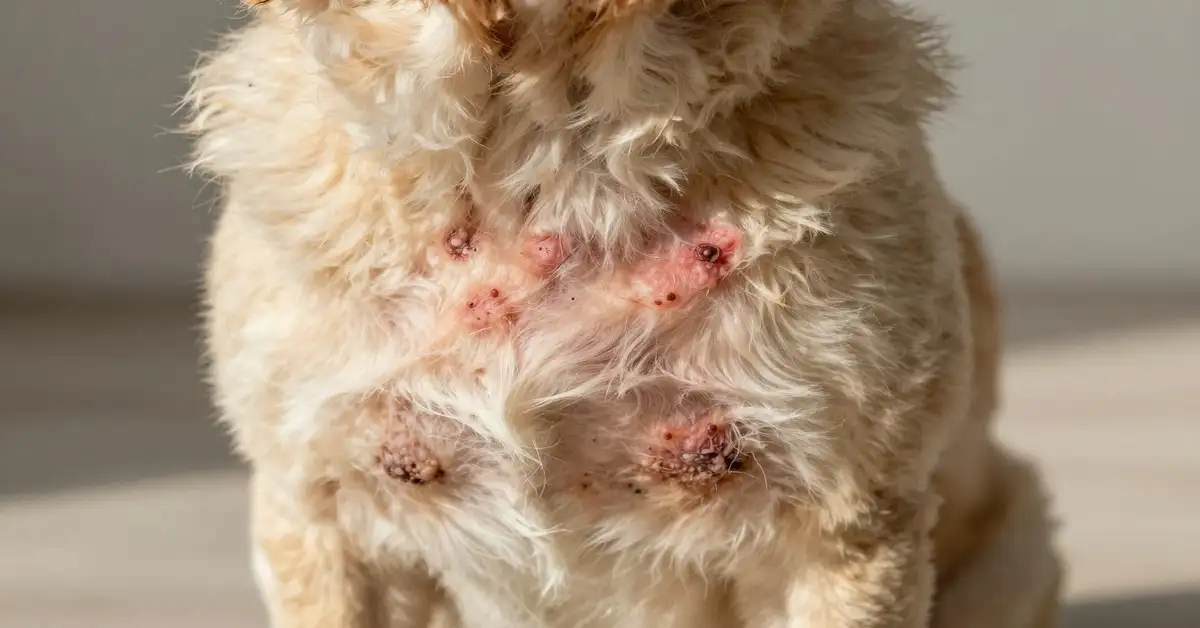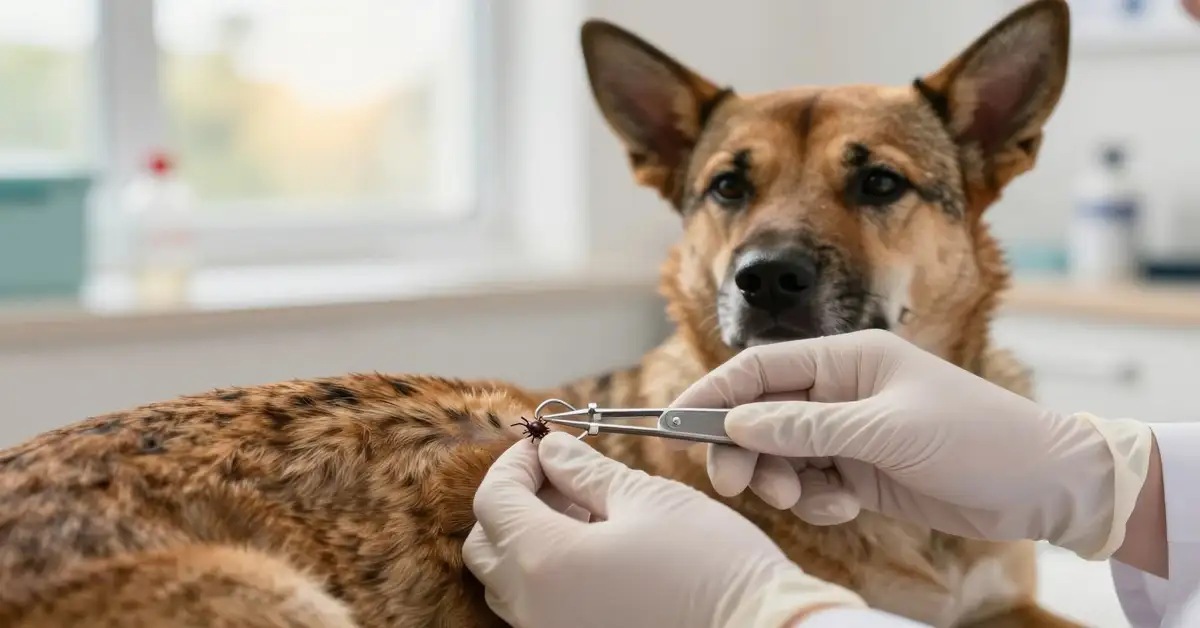
Dealing with embedded fully ticks on dogs can be a daunting task for many pet owners. Ticks are not just a nuisance; they can transmit serious diseases to your furry friends. Proper tick removal is crucial to prevent infections and ensure dog safety.
Understanding the right techniques for removing embedded ticks is vital. Incorrect removal methods can lead to further complications, such as pushing the tick deeper into the skin or leaving parts of it behind. This article will guide you through the safe removal of ticks from dogs and provide essential tips on preventing future occurrences.
Key Takeaways
- Proper tick removal techniques are crucial for dog safety.
- Embedded ticks can transmit serious diseases to dogs.
- Incorrect removal can lead to infections or further complications.
- Using the right tools is essential for safe tick removal.
- Preventing tick infestations is key to maintaining dog health.
Understanding the Danger of Ticks on Dogs
Understanding the risks associated with ticks on dogs is crucial for their health and well-being. Ticks are not just external parasites; they can transmit a variety of serious diseases to dogs.
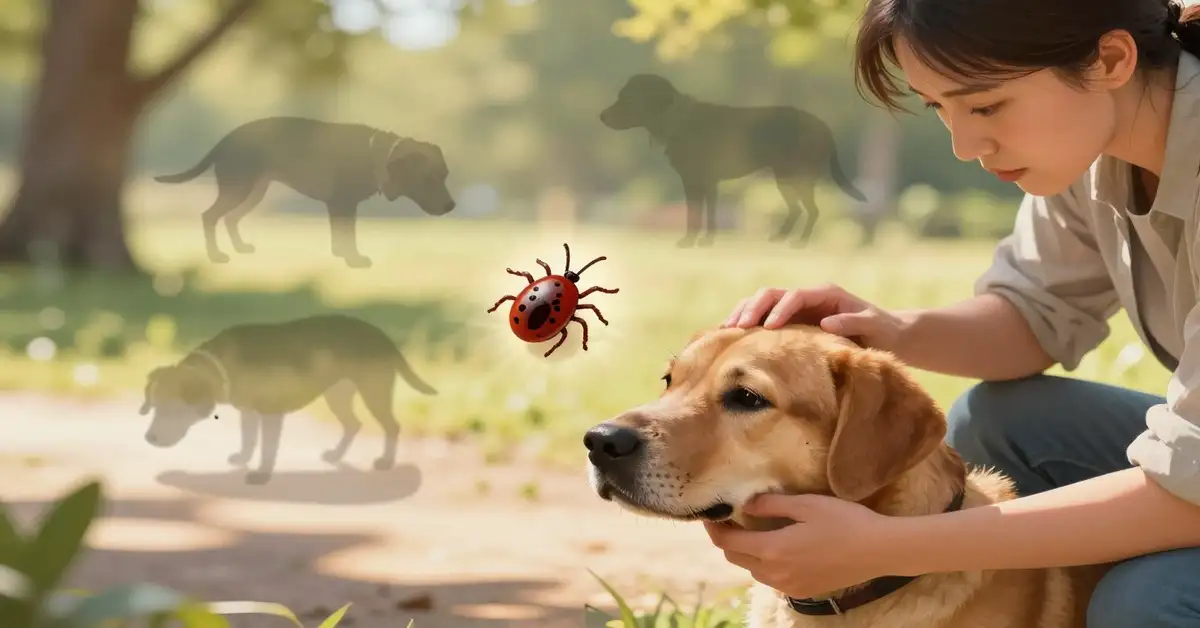
The United States is home to a diverse range of tick species, each with its own regional distribution. Some of the most common species include the blacklegged tick, lone star tick, and American dog tick. These ticks are found in various habitats, from dense forests to grasslands.
- Blacklegged ticks are known for transmitting Lyme disease.
- Lone star ticks can transmit Ehrlichiosis and Southern tick-associated rash illness.
- American dog ticks are vectors for Rocky Mountain spotted fever.
Lyme Disease, Ehrlichiosis, and Other Common Infections
Tick-borne diseases pose a significant threat to canine health. Lyme disease, caused by the bacterium Borrelia burgdorferi, is one of the most common tick-borne illnesses in dogs. Symptoms include fever, joint pain, and swelling. Ehrlichiosis, another tick-borne disease, can cause a range of symptoms from mild to severe, including anemia and bleeding disorders.
Identifying Embedded Fully Ticks On Dogs
The first step in handling embedded ticks is to identify them correctly on your dog. embedded fully ticks on dogs can be tricky to spot, but knowing where to look and what to look for can make a significant difference.
Ticks are external parasites that feed on the blood of dogs, and they can transmit various diseases. Identifying them early is crucial for the health and well-being of your pet.
Common Body Locations Where Ticks Hide
Ticks often hide in areas that are warm and protected. Common locations include:
- The ears
- The neck
- The armpits
- The groin area
- Between the toes
Regularly checking these areas can help you identify ticks before they become embedded fully ticks on dogs.
Visual Identification Guide for Dog Owners
To identify embedded fully ticks on dogs, look for small, rounded bodies attached to your dog’s skin. Ticks can be brown, black, or gray, and they may be as small as a pinhead or as large as a coffee bean, depending on how long they’ve been feeding.
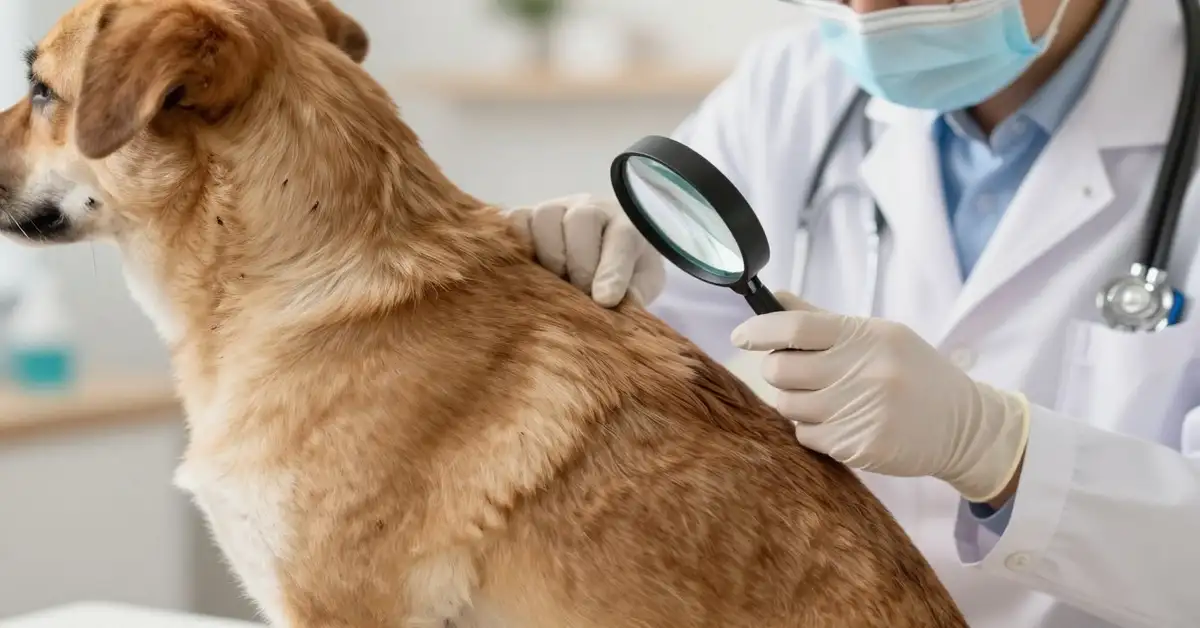
Carefully inspect your dog’s skin, especially after they’ve been in areas known to have ticks. If you find a tick, it’s essential to remove it correctly to prevent further complications.
By being vigilant and knowing where to look, you can identify and remove embedded ticks, helping to keep your dog safe from tick-borne diseases.
Essential Tools for Safe Tick Removal
The key to safely removing embedded ticks lies in using the appropriate tools. Tick removal tools are designed to ensure that the tick is removed completely without causing harm to the dog or leaving parts of the tick behind.
Comparing Different Tick Removal Devices
There are various tick removal devices available, including tick tweezers, tick hooks, and tick spoons. Each has its own advantages. For instance, tick tweezers are good for grasping ticks close to the skin, while tick hooks are useful for removing ticks that are embedded deeper.
| Device | Usefulness | Ease of Use |
|---|---|---|
| Tick Tweezers | High | Easy |
| Tick Hooks | High | Moderate |
| Tick Spoons | Moderate | Easy |
Safety Considerations for Improvised Tools
While safety considerations are paramount, it’s also important to avoid using improvised tools that are not designed for tick removal, as they can cause more harm. Using the right tick removal tools minimizes the risk of infection and ensures the tick is removed entirely.
Preparing for Tick Removal
Preparing for tick removal is a critical step in ensuring your dog’s safety and comfort. Before you start, it’s essential to understand the right techniques and gather the necessary supplies.
Breed-Specific Handling Techniques
Different breeds may require unique handling due to their size, coat type, or temperament. For example, dogs with thick coats may need extra care to locate the tick, while smaller breeds may require a gentler touch during removal. Always handle your dog with care and consider their specific needs.
Necessary Supplies Checklist
To remove ticks safely, you’ll need the following supplies:
- Fine-tipped tweezers
- Antiseptic solution
- Gloves
- A container for the removed tick
Having these supplies ready will make the process smoother and less stressful for both you and your dog.
By being prepared and understanding the specific needs of your dog, you can make the tick removal process as safe and effective as possible.
Step-by-Step Guide to Removing Embedded Fully Ticks on Dogs
Understanding how to safely remove embedded ticks is essential for dog owners to protect their pets from potential health risks. The process involves several critical steps that must be followed carefully to avoid causing further harm to your dog.
The first step in removing an embedded fully ticks on dogs is to prepare the necessary tools. You will need a pair of fine-tipped tweezers, antiseptic wipes, and a small container filled with alcohol to store the tick after removal. It’s crucial to avoid using home remedies like petroleum jelly, nail polish, or heat, as these methods can cause the tick to burrow deeper into the skin.
- Part your dog’s fur to expose the tick.
- Grasp the tick as close to your dog’s skin as possible with the tweezers.
- Pull upward with steady, even pressure. Avoid twisting or jerking the tick.
- Continue to pull until the tick is removed completely.
- Clean the bite area with antiseptic wipes.
- Dispose of the tick by placing it in the alcohol-filled container.
Adjustments for Different Sized Dogs
The size of your dog can affect the tick removal process. For smaller dogs, it’s essential to be more cautious due to their smaller skin area and potentially thinner skin. For larger dogs, the process might be similar, but the tick might be located in harder-to-reach areas, requiring more patience and flexibility.
| Dog Size | Considerations |
|---|---|
| Small Dogs | Be cautious of skin thickness, use gentle touch |
| Large Dogs | Be prepared to reach ticks in harder-to-see areas |
Myths About Tick Removal Methods
There are several myths surrounding tick removal, including the use of home remedies like applying heat or using nail polish to detach the tick. These methods are not only ineffective but can also cause harm by making the tick burrow deeper or causing it to release more saliva into the wound, potentially increasing the risk of infection.
“The best way to remove a tick is with fine-tipped tweezers, pulling gently but firmly until the tick is removed completely.”
By following the proper tick removal guide and being aware of the adjustments needed for different sized dogs, you can effectively remove embedded ticks and reduce the risk of tick-borne illnesses.
Using Tick Removal Tools Effectively
When it comes to removing ticks from your dog, having the right tools is just the first step. The effectiveness of tick removal depends on using these tools correctly. Proper technique is crucial to ensure the tick is removed completely without leaving any parts embedded fully ticks on dogs.
Different tick removal tools require different techniques. For instance, tick tweezers should be used to grasp the tick as close to the skin as possible and pulled upwards with steady, even pressure. On the other hand, tick removal devices like tick hooks or tick spoons are designed to slide under the tick and lever it out gently.
- For tick tweezers: Grasp the tick close to the skin and pull upwards.
- For tick hooks or spoons: Slide the tool under the tick and lever it out.
Reviews of Popular Tick Removal Products
There are several tick removal products available, each with its own advantages. Tick Twisters are praised for their ease of use and effectiveness, while Fine-Tip Tweezers are valued for their precision. When choosing a tick removal tool, consider factors like ease of use, effectiveness, and your dog’s comfort.
By following the correct techniques and choosing the right tool, you can ensure safe and effective tick removal for your dog.
What to Do With the Tick After Removal
After successfully removing a tick from your dog, it’s essential to handle it carefully to avoid any potential health risks. The tick should be handled in a way that prevents any potential infection from coming into contact with your skin or your dog’s skin.
Safely Handling Potentially Infected Ticks
When handling a removed tick, use fine-tipped tweezers or a tick removal tool to minimize direct contact. If you must touch the tick, wear gloves or use a tissue to prevent skin contact. It’s crucial to avoid crushing the tick’s body, as this can push bacteria or other pathogens into any open wounds or cuts on your hands.
Proper Storage and Transportation of Ticks for Analysis
If you suspect the tick was infected, it may be necessary to have it analyzed. To do this, place the tick in a sealed container or bag, and store it in the refrigerator. You can then transport it to a laboratory for testing. It’s recommended to check with your veterinarian for guidance on tick analysis and to see if it’s necessary for your dog’s health.
| Storage Method | Description | Transportation Tip |
|---|---|---|
| Sealed Container | Use a clean, dry container to store the tick. | Keep it refrigerated until transport. |
| Ziplock Bag | Place the tick in a ziplock bag to prevent escape. | Label the bag with the date and location of the tick bite. |
As noted by the Centers for Disease Control and Prevention (CDC), “Ticks can carry various pathogens, including bacteria, viruses, and parasites, which can be transmitted to humans and animals.” Proper handling and storage of removed ticks are crucial steps in managing potential health risks.
“Ticks are not just a nuisance; they can transmit serious diseases. Proper removal and handling are key to preventing tick-borne illnesses.”
Treating the Bite Area After Tick Removal
Once you’ve removed the tick, treating the bite area with the right care can help prevent infection and promote healing. The bite area may become red, swollen, or inflamed, but in most cases, these symptoms are part of the normal healing process.
Safe Antiseptics for Dogs
When it comes to disinfecting the tick bite area, it’s essential to use antiseptics that are safe for dogs. Chlorhexidine and povidone-iodine are commonly recommended because they are effective against a broad range of bacteria and are generally gentle on the skin. Avoid using harsh chemicals or human antiseptics that could irritate your dog’s skin.
Timeline of Normal Healing vs. Concerning Symptoms
The tick bite area typically heals within a few days to a week. Normal healing is characterized by a reduction in redness and swelling over time. However, if you notice increasing redness, pus, or persistent swelling, it could be a sign of infection, and you should consult your veterinarian.
It’s also a good idea to monitor your dog for any signs of tick-borne illnesses in the weeks following the tick removal. Keeping an eye on the bite area and your dog’s overall health can help identify any potential issues early on.
When to Seek Veterinary Help
Knowing when to seek veterinary help is vital for your dog’s health after a tick bite. Monitoring your dog’s behavior and health closely after tick removal is crucial. If you notice any unusual symptoms, it’s essential to consult a veterinarian promptly.
Some signs that indicate you should seek veterinary help include fever, lethargy, loss of appetite, and joint pain. These symptoms can be indicative of tick-borne diseases such as Lyme disease or Rocky Mountain spotted fever.
Symptoms of Common Tick-Borne Diseases
Tick-borne diseases can manifest in various ways. Common symptoms include fever, lethargy, and joint pain. In severe cases, these diseases can lead to more complicated health issues if left untreated. It’s crucial to be aware of these symptoms to provide timely care for your dog.
Diagnostic Tests and Treatment Options
Upon consulting a veterinarian, your dog may undergo diagnostic tests such as blood tests to determine the presence of tick-borne diseases. Treatment options vary depending on the disease but often include antibiotics and supportive care to manage symptoms and aid recovery.
If your dog is diagnosed with a tick-borne disease, following the veterinarian’s treatment plan is essential. This may involve administering medication, providing a comfortable environment, and monitoring your dog’s progress. Early intervention can significantly improve outcomes.
Preventing Future Tick Infestations
Protecting your dog from ticks requires a multi-faceted approach that includes various prevention methods. Effective tick prevention is crucial for the health and well-being of your dog.
There are several methods to prevent tick infestations, including topical treatments, oral medications, and tick collars. Each has its advantages and disadvantages.
Comparing Topical, Oral, and Collar Options
Topical treatments are applied directly to the dog’s skin, oral medications are ingested, and tick collars repel or kill ticks. The choice depends on your dog’s specific needs and health status.
| Method | Advantages | Disadvantages |
|---|---|---|
| Topical Treatments | Easy to apply, fast-acting | May cause skin irritation |
| Oral Medications | Systemic protection, convenient | Potential side effects, requires prescription |
| Tick Collars | Long-lasting, easy to use | May not be as effective for severe infestations |
Effectiveness of Essential Oils and Other Natural Remedies
Some pet owners prefer natural remedies, such as essential oils, to prevent tick infestations. While these can be effective, their efficacy varies, and they should be used with caution.
Landscaping Tips for Tick Control
Modifying your yard can help reduce tick populations. Keeping your grass short, removing leaf litter, and creating a tick barrier around your yard are effective strategies.
By combining these methods and staying informed, you can effectively prevent future tick infestations and protect your dog’s health.
Seasonal Considerations for Tick Control
As the seasons change, so does the activity level of ticks, necessitating adaptive tick control measures. Dog owners must understand these seasonal variations to protect their pets effectively.
Regional Tick Season Variations Across the US
Tick activity varies significantly across the US, with warmer regions experiencing longer tick seasons. For instance, the Southeast and Gulf Coast states have a nearly year-round tick season, while the Northeast and Midwest experience peak tick activity during the warmer months.
| Region | Peak Tick Season |
|---|---|
| Southeast & Gulf Coast | Year-round |
| Northeast & Midwest | April to October |
| West Coast | May to September |
Special Considerations for Outdoor and Active Dogs
Dogs that spend a lot of time outdoors, especially those involved in hunting or hiking, are at a higher risk of getting ticks. These dogs require more frequent tick checks and preventative measures.
Key considerations include: Regular tick checks after outdoor activities, using tick preventatives, and maintaining a tick-free environment.
Conclusion
Protecting your dog from ticks is a crucial aspect of their overall health and wellbeing. By understanding the dangers of ticks, identifying embedded fully ticks on dogs, and using the right tools for removal, you can significantly reduce the risk of tick-borne illnesses.
Safe tick removal is just the first step; treating the bite area and knowing when to seek veterinary help are also vital. Preventing future tick infestations requires a combination of regular checks, using preventative measures, and being aware of seasonal considerations for tick control.
By staying vigilant and proactive, you can ensure your dog remains safe and healthy. Tick safety is an ongoing process that requires attention and care, but with the right knowledge and tools, you can protect your dog’s health and enjoy a happy, healthy relationship with your pet.