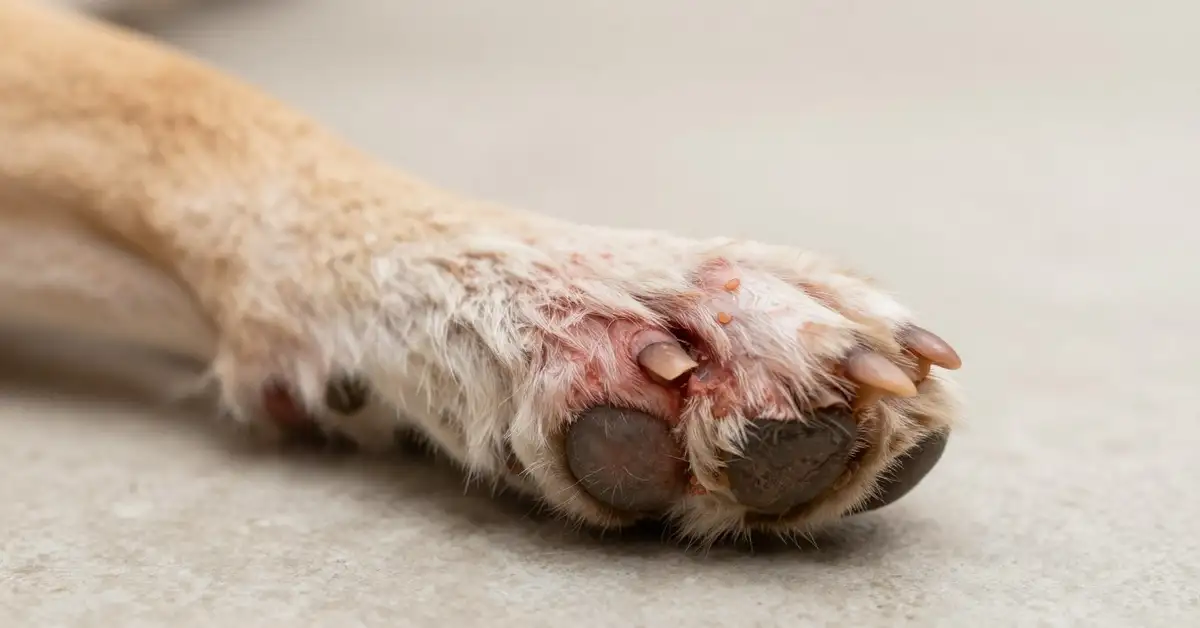
Dog yeast infection paw is a common issue that many pet owners face. It’s caused by an overgrowth of yeast on the paws, leading to discomfort and potential health complications if left untreated.
Recognizing the signs of yeast infection on paws is crucial for providing timely care. Symptoms can include redness, itching, and a strong odor. If you’re concerned about your dog’s health, understanding the causes and treatments can help alleviate worries and guide you toward the right actions.
By identifying the issue early, you can take steps to address it effectively. This introduction aims to provide a clear overview, helping you navigate the challenges of dog paw yeast infections with confidence.
Key Takeaways
- Understanding the causes of dog paw yeast infections
- Recognizing the symptoms early
- Exploring treatment options
- Preventing future occurrences
- Knowing when to seek veterinary care
Understanding Canine Paw Yeast Infections
Understanding the causes and symptoms of canine paw yeast infections is crucial for effective treatment. Yeast infections occur when there’s an overgrowth of yeast on the dog’s paws, often due to moisture accumulation.
Malassezia, a type of yeast, is naturally found on dogs’ skin. However, it can become problematic when it overgrows, leading to infections. Factors contributing to this overgrowth include allergies, skin conditions, and excessive moisture.
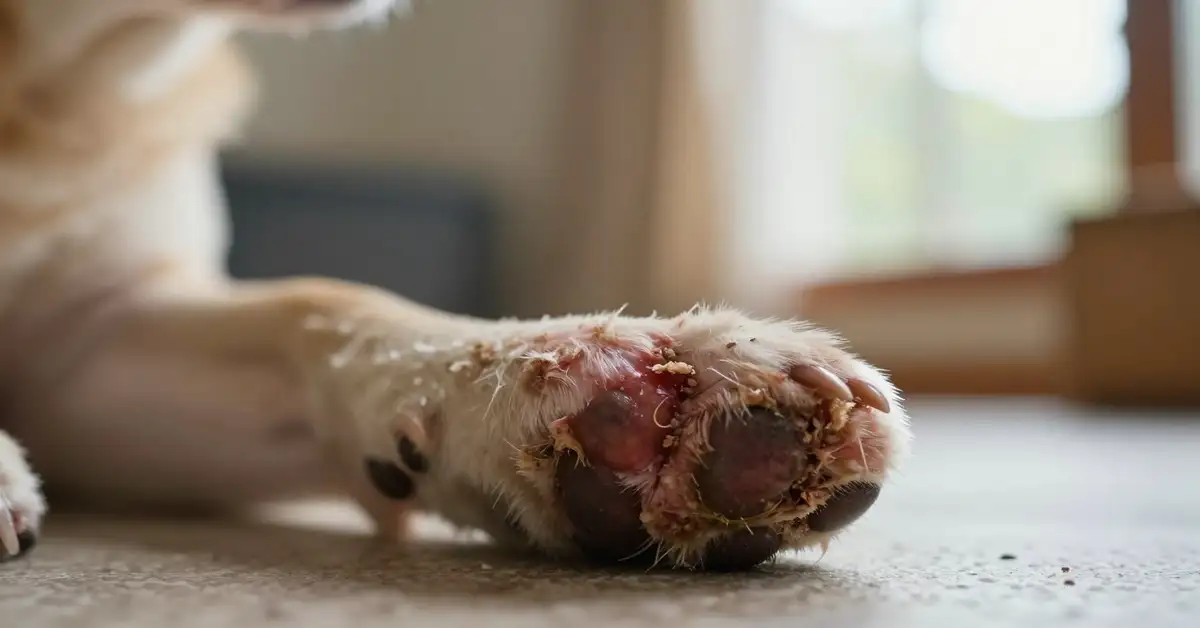
Common symptoms include redness, itching, and a strong odor from the paws. Dogs may also exhibit licking or chewing at their paws due to discomfort.
| Symptoms | Causes |
|---|---|
| Redness and itching | Moisture accumulation |
| Strong odor | Allergies and skin conditions |
| Licking or chewing at paws | Malassezia overgrowth |
Recognizing these signs early can help in managing the condition effectively. It’s essential to consult a veterinarian for a proper diagnosis and treatment plan.
Recognizing the Signs of Dog Yeast Infection Paw Problems
Recognizing the signs of yeast infection on dog paws is the first step towards healing. Dog owners should be vigilant about changes in their pet’s behavior or physical condition, especially if they notice excessive licking or chewing at the paws.
Visual Symptoms
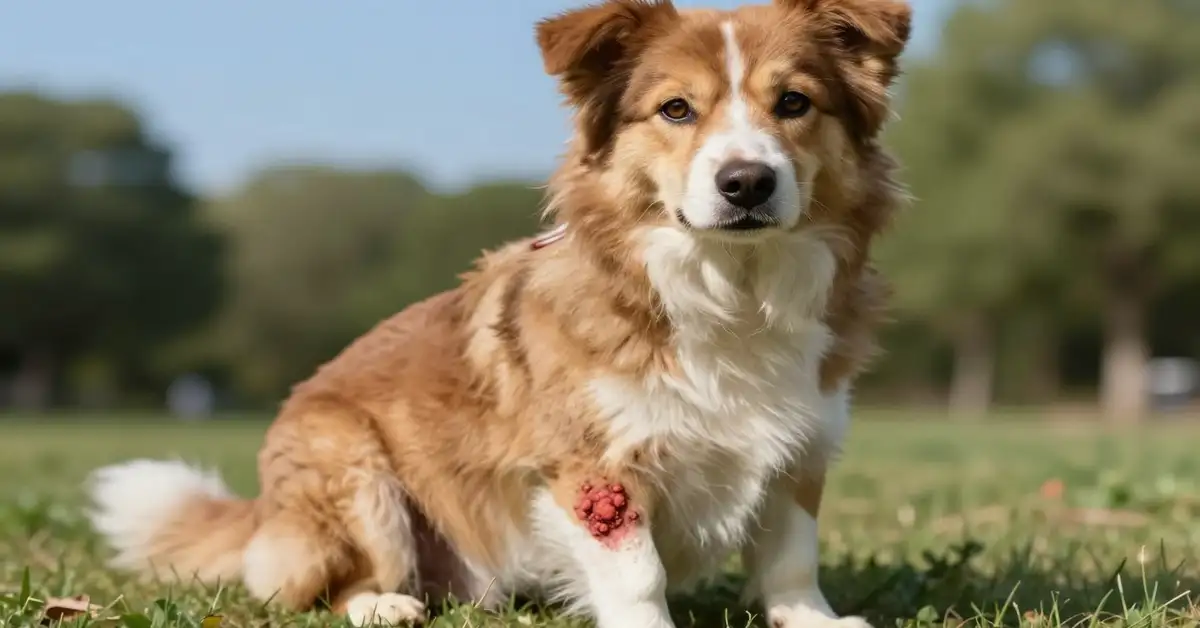
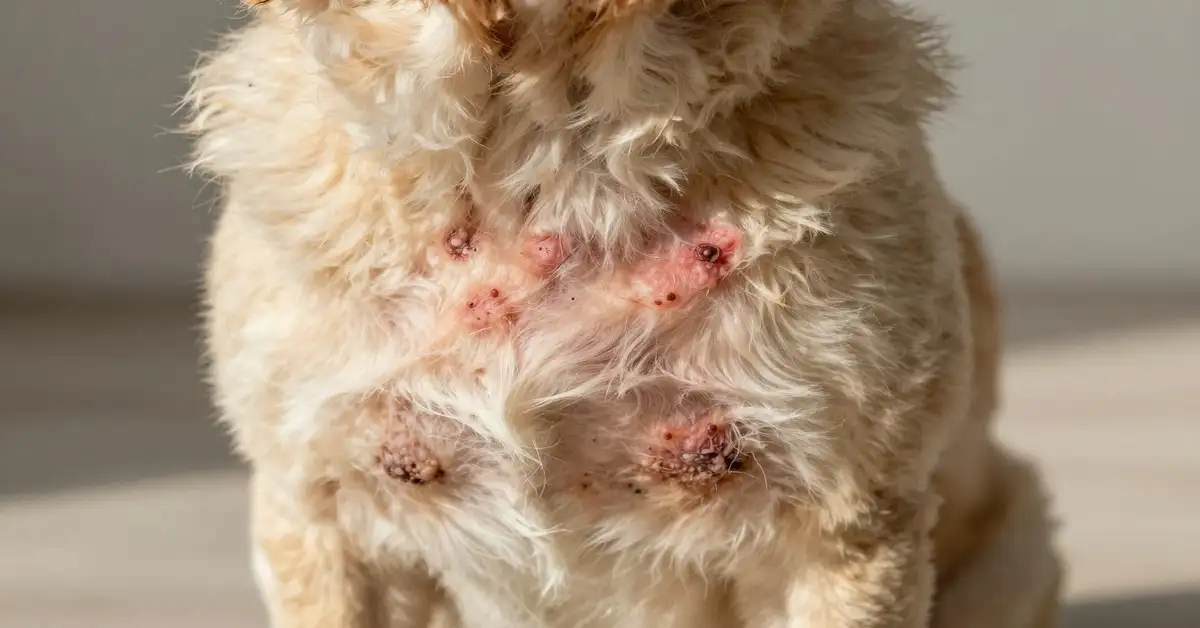
The visual symptoms of a yeast infection on a dog’s paws can be quite distinct. Redness and swelling are common, often accompanied by a strong, unpleasant odor. The paws may also exhibit discharge or a greasy coating, and in severe cases, the skin may become thickened or cracked.
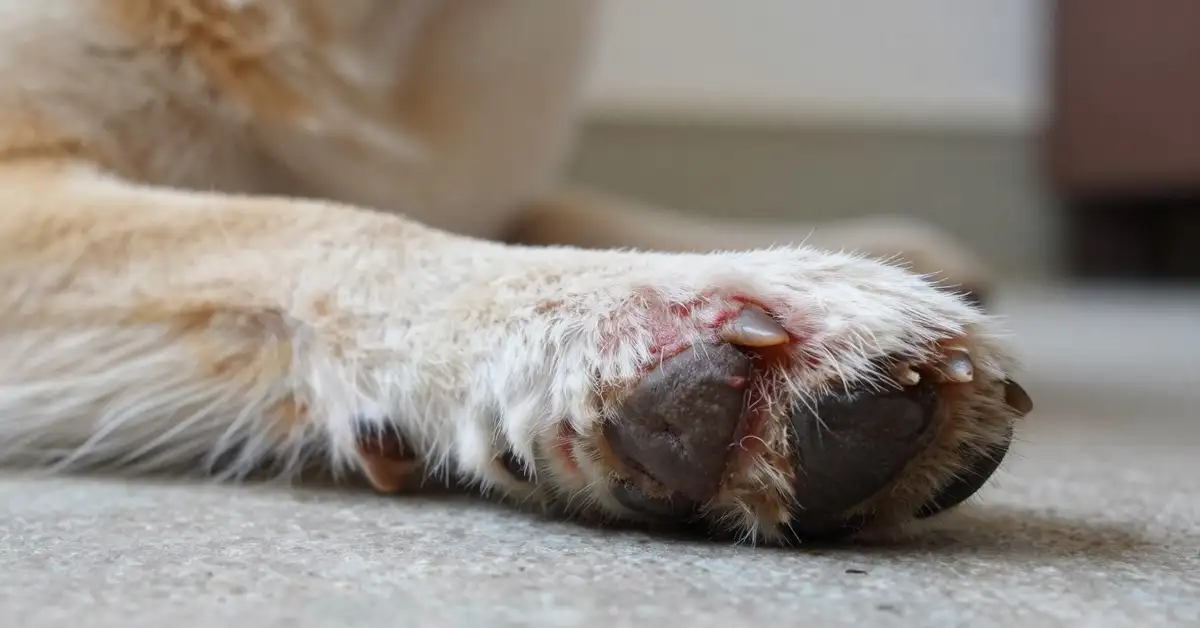
Other signs that may indicate a yeast infection include persistent itching, which can lead to further irritation and potential secondary infections. It’s essential to monitor these symptoms closely.
| Symptom | Description |
|---|---|
| Redness and Swelling | Inflammation of the paw skin, often accompanied by warmth to the touch. |
| Unpleasant Odor | A strong, yeasty smell emanating from the affected area. |
| Discharge or Greasy Coating | A visible discharge or an oily appearance on the paw skin. |
By being aware of these signs, dog owners can seek veterinary care early, improving the chances of a swift and effective treatment.
How to Differentiate Yeast Infections from Other Paw Conditions
Differentiating yeast infections from other paw issues requires a closer look at the symptoms and potential causes. Yeast infections in dogs can manifest similarly to other conditions, making accurate diagnosis crucial.
Some common signs of yeast infections include redness, itching, and a strong odor from the paw area. However, these symptoms can also be indicative of bacterial infections, allergies, or other skin conditions.
Key Differentiators:
- Color and Odor: Yeast infections often result in a strong, unpleasant odor and can cause the paw to become red or pink.
- Discharge: The presence of a thick, brown discharge is more commonly associated with yeast infections.
- Itching and Irritation: While itching is common in many paw conditions, the intensity and persistence can be higher in yeast infections.
To accurately diagnose a yeast infection, it’s essential to consult with a veterinarian who can perform the necessary tests, such as a cytology or culture.
Understanding the distinct signs and symptoms, along with professional veterinary guidance, is key to effectively differentiating yeast infections from other dog paw conditions.
Common Causes of Yeast Infections in Dog Paws
The occurrence of yeast infections in dog paws can be attributed to several factors. Yeast infections are more likely to occur in dogs that are exposed to warm, humid environments, which foster the growth of yeast.
One of the primary causes is environmental factors, such as excessive moisture. Dogs that spend a lot of time outdoors, especially in wet conditions, are more prone to yeast infections. Additionally, allergies can play a significant role in the development of yeast infections. Dogs with allergies may excessively lick or chew their paws, creating a moist environment that is ideal for yeast growth.
Underlying health issues, such as diabetes or hypothyroidism, can also contribute to the development of yeast infections in dog paws. These conditions can affect the dog’s immune system, making it more susceptible to infections.
Other factors that can contribute to yeast infections include poor diet, obesity, and improper grooming. A diet high in carbohydrates can lead to an overgrowth of yeast, while obesity can cause skin folds that trap moisture, creating an ideal environment for yeast.
In summary, yeast infections in dog paws are caused by a combination of environmental factors, allergies, and underlying health issues. Understanding these causes is crucial for preventing and treating yeast infections effectively.
Diagnosing a Yeast Infection on Your Dog’s Paws
A proper diagnosis of a yeast infection on your dog’s paws involves a combination of physical examination and laboratory tests. When you visit a veterinarian, they will start by examining your dog’s paws, looking for signs of redness, swelling, and discharge.
The vet may also take a sample of the discharge or skin scraping for further examination under a microscope or for culture. This helps in identifying the presence of yeast and ruling out other conditions that might cause similar symptoms.
In some cases, the veterinarian might recommend additional tests to check for underlying conditions that could be contributing to the yeast infection, such as allergies or hormonal imbalances. Accurate diagnosis is crucial for effective treatment and preventing the infection from recurring.
By working closely with your veterinarian, you can ensure your dog receives the appropriate diagnosis and treatment plan tailored to their specific needs.
Veterinary Treatments for Paw Yeast Infections
Veterinary treatments offer a reliable solution for dog owners dealing with paw yeast infections. When a dog is diagnosed with a yeast infection on its paws, the veterinarian will typically recommend a treatment plan tailored to the dog’s specific needs.
The primary goal of veterinary treatment is to eliminate the yeast infection and alleviate the associated discomfort. This is often achieved through the use of antifungal medications, which are designed to target and reduce the yeast population on the dog’s paws.
Antifungal Medications
Antifungal medications are a cornerstone in the treatment of dog paw yeast infections. These medications can be administered in various forms, including topical creams, oral tablets, or medicated shampoos. The choice of medication and its form depends on the severity of the infection and the dog’s overall health.
| Treatment Type | Description | Application |
|---|---|---|
| Topical Creams | Directly applied to the affected area to reduce yeast growth. | Daily, as prescribed by the veterinarian. |
| Oral Tablets | Systemic antifungal treatment to address the infection internally. | As directed by the veterinarian, usually with food. |
| Medicated Shampoos | Used to bathe the dog, reducing yeast on the skin and paws. | As recommended by the veterinarian, typically once or twice a week. |
In addition to antifungal medications, veterinarians may recommend other therapies to support the treatment, such as dietary changes or supplements to boost the dog’s immune system. It’s crucial to follow the veterinarian’s instructions closely to ensure the treatment is effective.
By understanding the available veterinary treatments, dog owners can better navigate the process of helping their pets recover from paw yeast infections. Always consult with a veterinarian to determine the best course of treatment for your dog.
Effective Home Remedies for Dog Paw Yeast Infections
Home remedies offer a gentle and sometimes effective way to treat dog paw yeast infections. Many dog owners prefer these natural treatments to alleviate their pet’s discomfort without immediately resorting to pharmaceuticals.
One popular home remedy involves using apple cider vinegar. Its antifungal properties can help combat the yeast infection. You can apply a diluted solution directly to the affected area using a cotton ball. However, it’s crucial to dilute the vinegar with water, as undiluted apple cider vinegar can be too harsh on the skin.
Another effective remedy is coconut oil, known for its antifungal and moisturizing properties. Applying coconut oil to the affected paw can help soothe the irritation and combat the infection. Regular application can also help prevent future infections by keeping the paw moisturized and less hospitable to yeast growth.
Tea tree oil is another natural treatment that has gained popularity for its antifungal properties. However, it must be used with caution. Always dilute tea tree oil with a carrier oil, and consult with a veterinarian before application to ensure it’s safe for your dog.
Maintaining good hygiene is also a crucial aspect of treating and preventing yeast infections. Regularly washing your dog’s paws and drying them thoroughly, especially between the toes, can help prevent moisture buildup, which yeast thrives on.
While these home remedies can be effective, it’s essential to monitor your dog’s condition closely. If the infection persists or worsens, consult with a veterinarian for further guidance and treatment.
Creating an Effective Treatment Plan and Recovery Timeline
Crafting an effective treatment plan is key to overcoming yeast infections in dog paws. A comprehensive approach involves understanding the infection’s severity, the dog’s overall health, and the most appropriate treatment options.
A tailored treatment plan may include a combination of veterinary-prescribed medications and home remedies. It’s essential to work closely with your veterinarian to determine the best course of action. Consistency and patience are crucial, as recovery times can vary depending on the infection’s severity and the dog’s response to treatment.
Setting realistic expectations for dog paw yeast infection recovery is vital. While some dogs may show improvement within a few weeks, others may require more extended treatment periods. Regular follow-ups with your veterinarian will help monitor progress and adjust the treatment plan as needed.
By following a well-structured treatment plan for dog yeast infection, dog owners can help their pets recover and reduce the risk of future infections. It’s a process that requires dedication, but the outcome is well worth the effort.
Preventing Future Yeast Infections in Your Dog’s Paws
Yeast infections in dogs’ paws can be prevented with the right combination of hygiene practices and environmental adjustments. Maintaining good hygiene is crucial in preventing yeast infections. Regularly cleaning your dog’s paws, especially after walks, can help remove dirt and potential allergens that could lead to infections.
Key Hygiene Practices:
- Regularly wash your dog’s paws with a mild, antifungal shampoo.
- Dry your dog’s paws thoroughly, especially between the toes.
- Trim the hair around your dog’s paws to reduce moisture accumulation.
Environmental adjustments also play a significant role in prevention. Keeping your dog’s living area clean and dry can help reduce the risk of yeast infections.
| Prevention Method | Description | Benefits |
|---|---|---|
| Regular Paw Cleaning | Clean paws with mild antifungal shampoo | Removes dirt and allergens |
| Drying Paws | Dry paws thoroughly, especially between toes | Reduces moisture, preventing yeast growth |
| Hair Trimming | Trim hair around paws | Reduces moisture accumulation |
By implementing these hygiene practices and environmental adjustments, dog owners can significantly reduce the risk of yeast infections in their dog’s paws. Regular veterinary check-ups can also help in early detection and prevention of future infections.
Breeds Most Susceptible to Paw Yeast Infections
Certain dog breeds are more prone to developing yeast infections on their paws due to their unique physical characteristics. Breeds with floppy ears, such as Cocker Spaniels and Basset Hounds, are more susceptible because their ears can trap moisture, creating an ideal environment for yeast growth. Similarly, breeds with wrinkled skin, like Shar-Peis and Bulldogs, are also at higher risk due to the moist environments within their skin folds.
The table below highlights some breeds that are more susceptible to paw yeast infections and the reasons behind their increased risk.
| Breed | Reason for Susceptibility |
|---|---|
| Cocker Spaniel | Floppy ears trap moisture |
| Shar-Pei | Wrinkled skin creates moist environments |
| Bulldog | Skin folds and flat face contribute to moisture retention |
According to Dr. Jane Smith, a veterinarian specializing in dermatology, “Breeds with anatomical features that trap moisture are more likely to develop yeast infections. Regular cleaning and drying of these areas can significantly reduce the risk.”
To protect your dog, it’s essential to be aware of these breed-specific risks and take preventive measures, such as regular grooming and keeping your dog’s paws clean and dry.
Conclusion: Maintaining Healthy Paws for a Happy Dog
Maintaining healthy paws is crucial for a dog’s overall well-being. As discussed throughout this article, yeast infections can be a significant issue for many dogs, causing discomfort and pain. By understanding the signs, causes, and treatments of dog paw yeast infections, you can take proactive steps to keep your dog’s paws healthy.
Regular cleaning, drying, and inspecting your dog’s paws can help prevent yeast infections. Additionally, incorporating preventative measures into your dog’s grooming routine can reduce the risk of future infections. By being vigilant and taking care of your dog’s paws, you can help ensure their overall health and happiness.
Dog paw health is a critical aspect of your dog’s quality of life. By following the guidance outlined in this article, you can help maintain healthy paws and prevent issues like yeast infections. Stay informed, be proactive, and keep your dog’s paws healthy for a happy and active life.