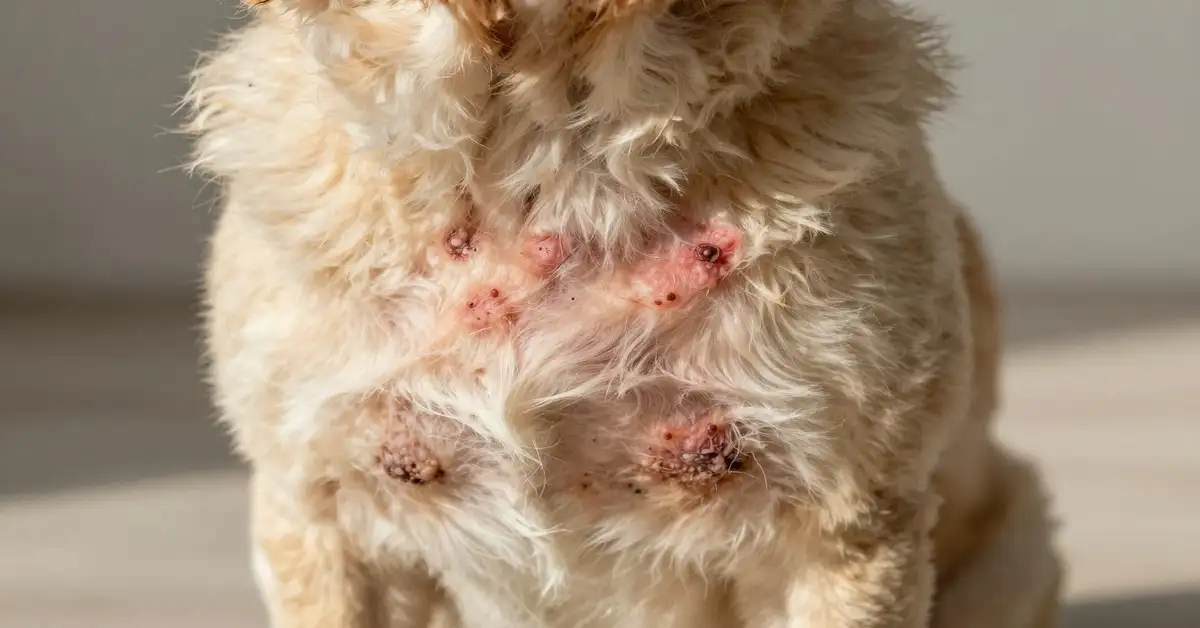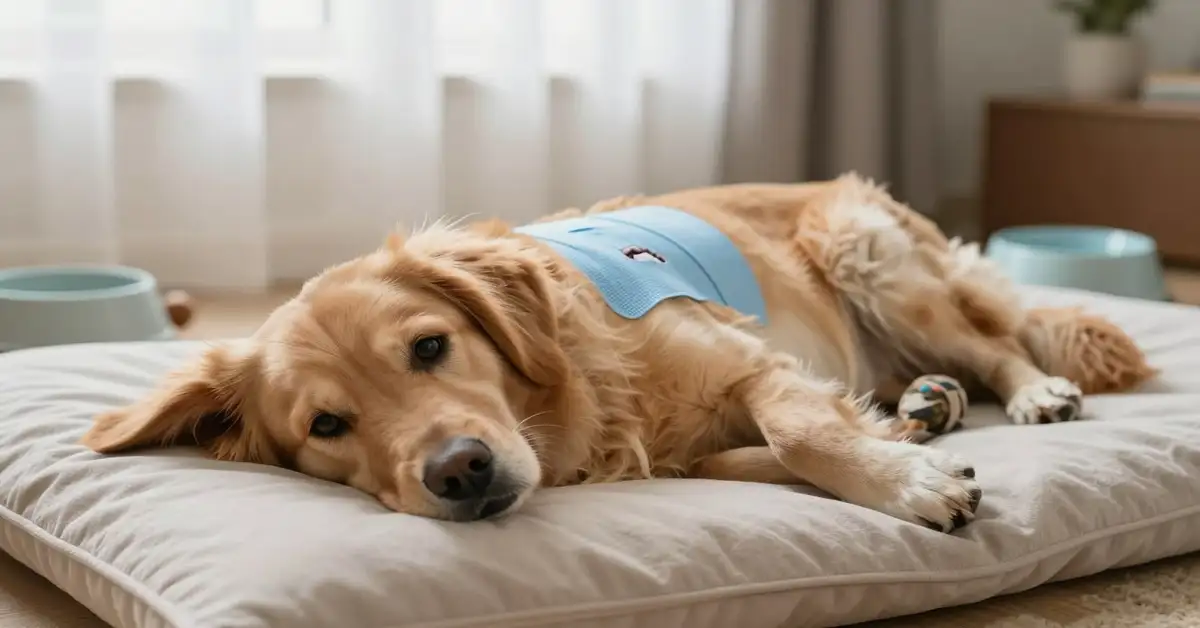
Is your dog excessively shaking its head? This behavior can be alarming for pet owners, and it’s natural to wonder what’s causing it. Excessive head shaking in dogs can be a sign of an underlying issue that needs attention.
Understanding the reasons behind this behavior is crucial for providing the right care. Whether it’s related to an ear infection, allergies, or another condition, identifying the cause is the first step towards finding a solution.
Key Takeaways
- Excessive head shaking can indicate an underlying health issue.
- Ear infections and allergies are common causes.
- Identifying the cause is crucial for effective treatment.
- Veterinary consultation is often necessary.
- Prompt action can prevent further complications.
Understanding Why Dogs Shake Their Heads
Dogs often shake their heads, and while this can be a normal reflex, persistent or vigorous head shaking may indicate an underlying issue. Understanding the reasons behind this behavior is crucial for dog owners to ensure their pets’ health and comfort.
Frequency and Duration Concerns
The frequency and duration of head shaking can provide valuable insights into a dog’s health. Occasional head shaking is typically normal, but frequent or prolonged episodes may signal a problem. For instance, if a dog shakes its head several times a day or for extended periods, it could be a sign of discomfort or an underlying medical condition.
| Frequency/Duration | Possible Interpretation |
|---|---|
| Occasional | Normal behavior |
| Frequent or Prolonged | Potential health issue |
Associated Behavioral Changes
It’s also essential to observe any associated behavioral changes. Dogs with ear infections or other conditions may exhibit signs like scratching at their ears, whining, or avoiding certain activities. Recognizing these changes can help in identifying the cause of the head shaking.
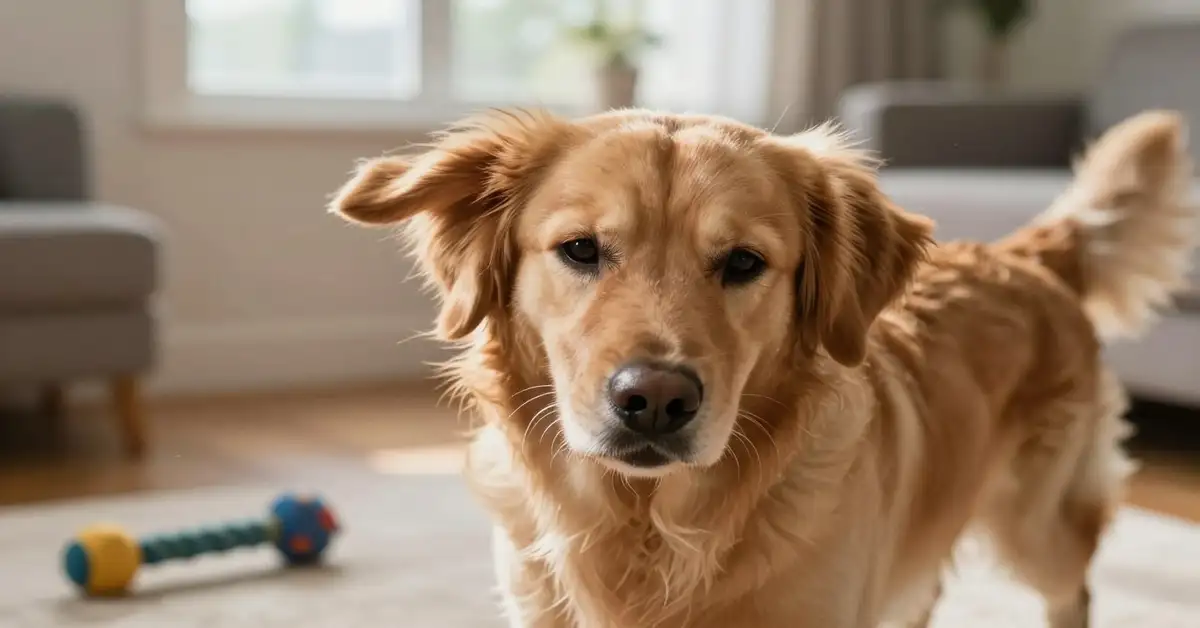
By understanding these factors, dog owners can better assess their dog’s condition and seek veterinary care if necessary.
Why Is My Dog Shaking Head a Lot? Common Causes
Frequent head shaking in dogs is not just a quirk; it can be a symptom of an underlying condition that requires veterinary care. If your dog is shaking its head a lot, it’s essential to understand the potential causes to provide the right care.
One of the primary reasons dogs shake their heads excessively is due to infections in the ear. These infections can be painful and uncomfortable, leading to the behavior.
Bacterial Infections
Bacterial infections are a common cause of head shaking in dogs. These infections occur when bacteria enter the ear canal, often as a result of moisture accumulation or an injury. Symptoms include redness, discharge, and a foul odor. If left untreated, bacterial infections can lead to more severe complications.
Yeast Infections
Yeast infections are another frequent cause of excessive head shaking. Yeast naturally occurs in the ear canal, but an overgrowth can lead to infection. Factors contributing to yeast infections include allergies, wax buildup, and moisture. Recognizing the symptoms early can help in providing timely treatment.
| Infection Type | Common Symptoms | Potential Complications |
|---|---|---|
| Bacterial | Redness, discharge, foul odor | Severe pain, hearing loss |
| Yeast | Itching, redness, strong odor | Chronic discomfort, secondary infections |
Understanding the cause of your dog’s head shaking is crucial for effective treatment. By recognizing the symptoms of bacterial and yeast infections, you can seek veterinary care promptly.
Ear Infections: The Primary Culprit
One of the primary reasons dogs shake their heads excessively is due to ear infections. Ear infections are a common issue in dogs and can cause significant discomfort, leading to the behavior. These infections can be caused by bacteria, yeast, or a combination of both.
Symptoms of ear infections include redness, swelling, discharge, and a foul odor from the ear. Dogs may also scratch or rub their ears, further irritating them. If left untreated, ear infections can lead to more severe complications.
Risk Factors for Recurring Infections
Some dogs are more prone to recurring ear infections due to several risk factors. These include:
- Anatomical issues, such as narrow ear canals
- Allergies, which can lead to skin conditions that predispose to infections
- Moisture in the ear, which can foster bacterial or yeast growth
- Foreign objects in the ear
Understanding these risk factors can help in preventing recurring infections. Regular ear cleaning and checking for signs of infection are crucial steps in maintaining your dog’s ear health.
Other Medical Conditions That Trigger Head Shaking
Head shaking in dogs can be attributed to a range of health problems beyond just ear infections. Allergies, for instance, can cause discomfort that leads to head shaking. Dogs with allergies might also exhibit other symptoms like itching or skin irritation.
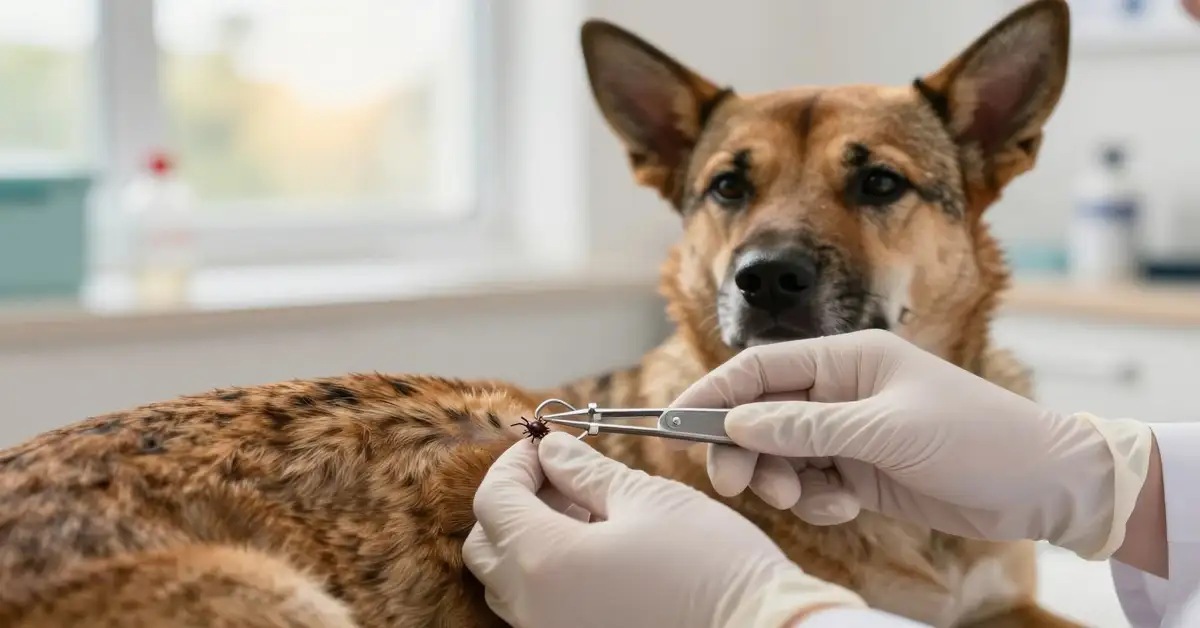
Parasites such as ticks, fleas, or mites can also contribute to this behavior. These parasites can cause irritation and discomfort, prompting the dog to shake its head. Regular checks for these parasites are crucial, especially during peak seasons.
Another condition that can lead to head shaking is hypothyroidism, a disorder where the thyroid gland doesn’t produce enough hormones. This condition can lead to skin issues and ear problems, both of which can cause head shaking.
Other potential causes include foreign bodies in the ear, such as grass seeds or dirt, and polyps or tumors within the ear canal. These conditions can cause significant discomfort and lead to excessive head shaking.
Understanding these various medical conditions is crucial for dog owners to identify why their dog is shaking its head and to seek appropriate veterinary care. By addressing the underlying cause, owners can help alleviate their dog’s discomfort and prevent further complications.
Recognizing Symptoms That Accompany Excessive Head Shaking
Excessive head shaking in dogs is not just a standalone behavior; it’s often paired with other noticeable symptoms. Dog owners should be vigilant about these accompanying signs to understand the underlying cause of their pet’s condition.
One of the critical symptoms to look out for is changes in behavior or physical condition. For instance, excessive scratching or redness around the ear area can be a sign of an infection or irritation. Additionally, a foul odor from the ears or discharge can indicate a serious issue that needs veterinary attention.
Changes in Hearing Ability
A dog shaking its head a lot might also experience changes in hearing ability. If your dog is not responding to familiar sounds or commands, it could be a sign that the head shaking is related to an ear issue. “Early detection is key to preventing further complications,” as noted by veterinary experts.
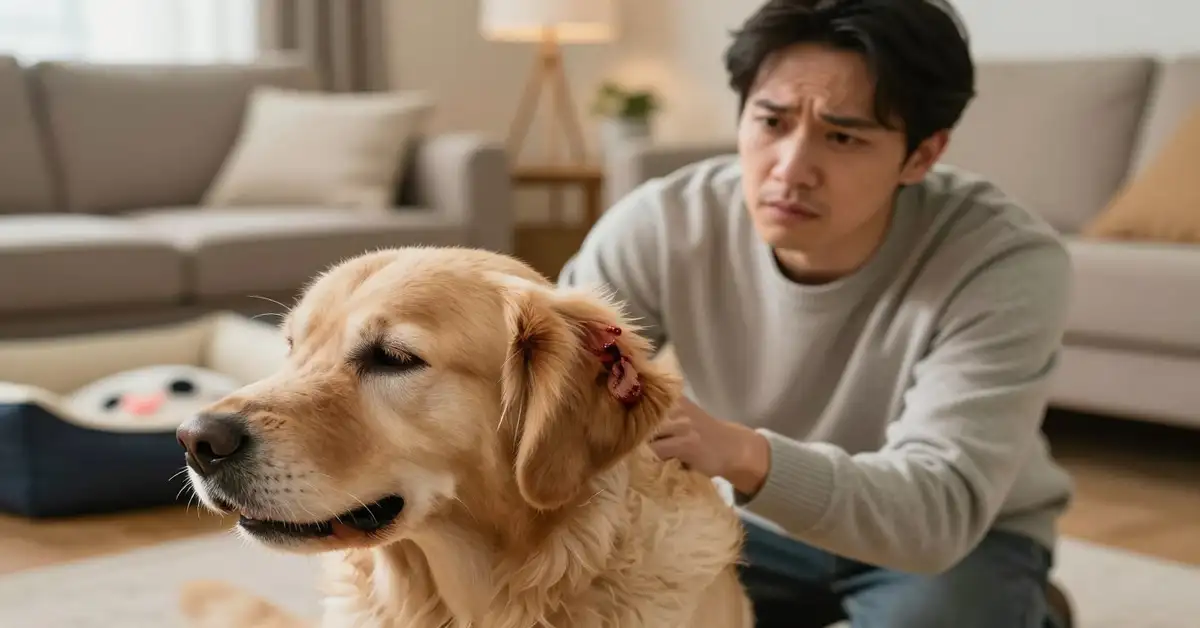
Other symptoms that may accompany excessive head shaking include whining or showing signs of pain when the ears are touched. It’s essential to monitor your dog’s overall behavior and consult with a veterinarian if you notice any of these signs.
By recognizing these symptoms, dog owners can take the first step towards addressing the underlying cause of their dog’s excessive head shaking. Regular monitoring and timely veterinary care can significantly improve the dog’s quality of life.
When to See a Veterinarian
Excessive head shaking in dogs can be a sign of an underlying issue that requires professional veterinary attention. If your dog is shaking its head persistently, it’s crucial to monitor their behavior and watch for other symptoms.
Signs That Indicate a Vet Visit is Necessary
- Persistent or worsening head shaking
- Visible discomfort or pain
- Discharge or odor from the ears
- Redness or swelling around the ears
- Changes in appetite or behavior
If you notice any of these symptoms, it’s time to consult a veterinarian. Early diagnosis can prevent complications and ensure your dog receives the appropriate treatment.
| Symptom | Possible Cause |
|---|---|
| Ear discharge or odor | Ear infection |
| Persistent head shaking | Ear mites or foreign object |
| Visible discomfort | Ear injury or allergy |
By understanding when to seek veterinary care, you can help ensure your dog’s health and wellbeing. If in doubt, always consult with a professional.
Diagnostic Procedures for Dogs with Head Shaking
When a dog shakes its head persistently, veterinarians employ various diagnostic procedures to identify the underlying cause. The diagnostic process typically begins with a thorough physical examination and a detailed medical history.
The veterinarian may perform an otoscopic examination to inspect the ear canal and eardrum for signs of infection, wax buildup, or foreign bodies. Additional tests may include ear swabs, cultures, or biopsies to check for infections or other conditions.
Once the diagnostic tests are completed, the veterinarian will interpret the results to determine the cause of the dog’s head shaking. This may involve analyzing the results of the ear swabs, cultures, or biopsies.
The diagnosis will guide the treatment plan, which may include medications, ear cleaning, or other interventions tailored to the dog’s specific condition.
Treatment Options for Different Causes
Understanding the reason behind a dog’s head shaking is crucial for selecting the right treatment. The treatment varies significantly depending on whether the cause is an ear infection, allergies, or another medical condition. For instance, if the dog is shaking its head due to an ear infection, the veterinarian may prescribe antibiotics or antifungal medication. In cases where allergies are the culprit, antihistamines or steroids might be recommended.
For dogs suffering from ear infections, cleaning the ear canal is often a necessary step in treatment. This process removes debris and wax, allowing the medication to work more effectively. In some cases, a dog may require a procedure to remove foreign objects or polyps from the ear canal.
When the cause is related to allergies or skin conditions, treatment may involve changes to the dog’s diet or environment. This could include switching to a hypoallergenic diet or using specific shampoos designed to alleviate skin irritation.
The timeline for treatment to take effect can vary. For ear infections, improvement may be seen within a few days to a week after starting antibiotics. However, it’s essential to complete the full course of treatment as prescribed by the veterinarian to ensure the infection is fully cleared. For allergies or skin conditions, it may take longer to notice improvements, sometimes requiring several weeks or even months of consistent treatment and management.
Regular follow-ups with a veterinarian are crucial to monitor the dog’s response to treatment and make any necessary adjustments. With the right diagnosis and treatment plan, many dogs can find relief from excessive head shaking.
Home Care and Remedies for Dogs Shaking Their Heads
When your dog shakes its head a lot, it’s natural to feel concerned, but fortunately, there are effective home care tips that can provide relief. One of the primary areas to focus on is ear care, as many instances of head shaking are related to ear issues.
Step-by-Step Cleaning Guide
Cleaning your dog’s ears regularly can help prevent infections that may cause head shaking. Here’s a simple guide:
- Gently lift your dog’s ear flap and pour a small amount of ear cleaning solution into the ear canal.
- Massage the base of the ear to help the solution spread.
- Let your dog shake its head to remove the solution and debris.
- Wipe the outer ear canal with a cotton ball or soft cloth.
Products to Use and Avoid
It’s crucial to use the right products when cleaning your dog’s ears. Avoid using cotton swabs, as they can push debris further into the ear. Instead, opt for a dog ear cleaning solution and soft cloths or cotton balls.
| Product Type | Recommended | To Avoid |
|---|---|---|
| Ear Cleaning Solution | Yes, dog-specific | Human ear cleaning products |
| Cotton Swabs | No | Yes, they can cause harm |
Preventing Your Dog from Shaking Head Excessively
Excessive head shaking can be prevented in dogs by understanding its causes and taking proactive measures. Regular ear cleaning and inspections are crucial in preventing ear infections, a common cause of head shaking.
Regular Ear Care is essential. Use a dog ear cleaner recommended by your veterinarian to clean your dog’s ears regularly, especially after baths or swimming. Avoid using cotton swabs, which can push debris further into the ear canal.
Dogs with floppy ears, such as Basset Hounds or Cocker Spaniels, are more prone to ear infections due to the structure of their ears. Moisture can easily become trapped, creating an ideal environment for bacteria and yeast to grow.
For floppy-eared dogs, it’s vital to dry their ears thoroughly after they get wet and to clean their ears more frequently. Regular veterinary check-ups can also help in early detection of potential issues.
By being proactive and taking these preventive measures, you can significantly reduce the likelihood of your dog shaking its head excessively.
Potential Complications of Untreated Head Shaking
Untreated head shaking can result in various complications for your dog, making timely veterinary care essential. If the underlying cause is not addressed, it can lead to further health issues.
The potential complications include:
- Chronic Ear Infections: Persistent head shaking can lead to chronic ear infections, causing discomfort and pain for your dog.
- Hearing Loss: Untreated ear infections can result in hearing loss, affecting your dog’s quality of life.
- Ear Damage: Excessive head shaking can cause physical damage to the ear, including ruptured eardrums or ear canal abrasions.
It’s crucial to seek veterinary care if you notice persistent head shaking in your dog. Early diagnosis and treatment can prevent these complications and ensure your dog’s overall health and well-being.
Conclusion
Excessive head shaking in dogs can be a sign of an underlying medical issue that requires attention. As discussed, ear infections, allergies, and foreign objects in the ear are common causes of this behavior. Recognizing the symptoms and seeking veterinary care is crucial to prevent complications and ensure the dog’s comfort and health.
By understanding the reasons behind your dog’s head shaking, you can take the necessary steps to provide relief and prevent future occurrences. Regular ear cleaning, checking for foreign objects, and monitoring your dog’s behavior are simple yet effective measures to reduce the risk of excessive head shaking.
If your dog is shaking its head persistently, it is essential to consult with a veterinarian to rule out any underlying conditions. With proper care and attention, you can help your dog overcome this issue and maintain its overall well-being. Dog shaking head excessively is a behavior that should not be ignored, and with the right approach, you can help your dog feel better.