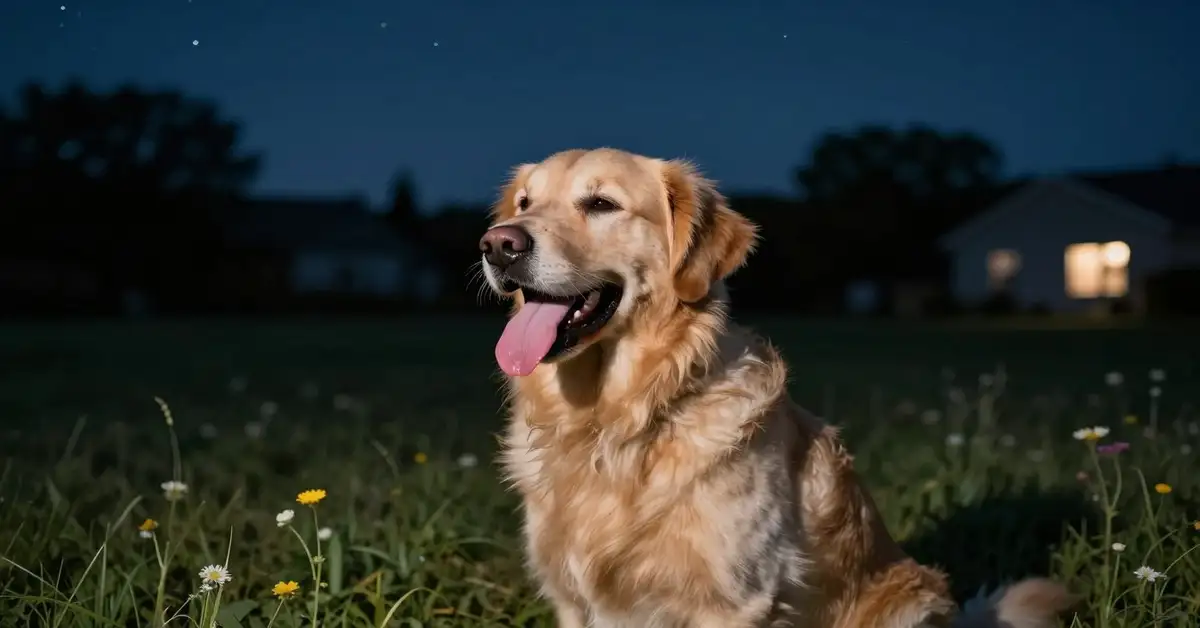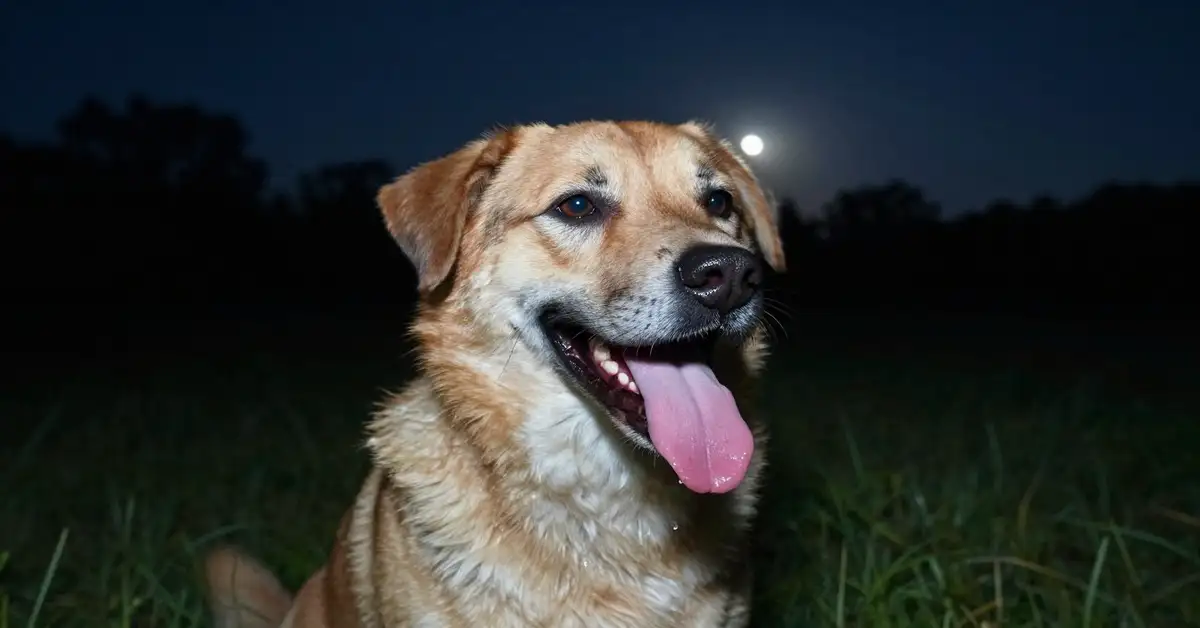
If you’re concerned about your pet’s health, you’re not alone. Many dog owners worry when they notice their furry friend panting heavily at night. This behavior can be a sign of various underlying issues, ranging from environmental factors to serious health conditions.
Understanding the causes and risks associated with nighttime panting is crucial for providing the best care for your pet. Factors such as temperature, humidity, and health conditions can all play a role. By identifying the root cause, you can take appropriate action to ensure your dog’s comfort and well-being.
Key Takeaways
- Nighttime panting can be caused by environmental factors.
- Health conditions can also contribute to panting.
- Understanding the cause is key to providing proper care.
- Simple changes can often alleviate the issue.
- Consulting a veterinarian is crucial for persistent problems.
Understanding Normal vs. Abnormal Dog Panting
It’s essential to distinguish between normal and abnormal dog panting to ensure your dog’s well-being. Dogs pant for various reasons, including regulating their body temperature and responding to stress or excitement.
Normal panting is typically characterized by a relaxed demeanor and is often seen after exercise or in warm environments. On the other hand, abnormal panting can be a sign of an underlying health issue, such as respiratory problems or anxiety disorders.
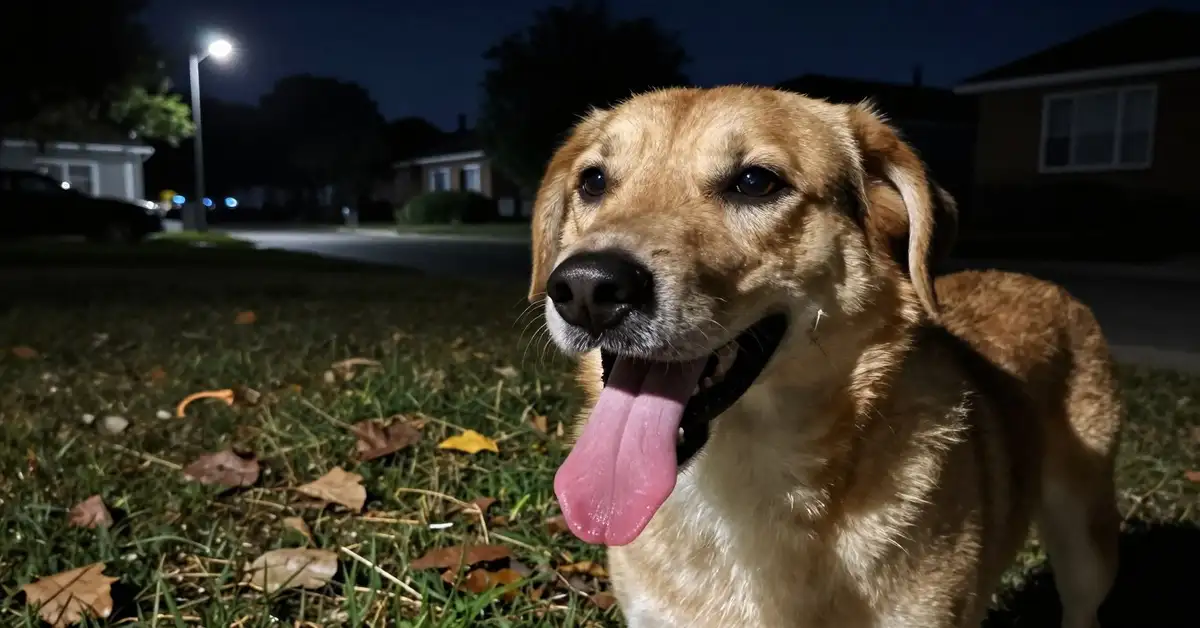
To better understand your dog’s panting, consider the following factors:
- Context: Is the panting occurring after exercise or in a hot environment?
- Behavior: Is your dog showing signs of distress or anxiety?
- Health: Are there any underlying medical conditions that could be contributing to the panting?
The table below summarizes the key differences between normal and abnormal dog panting:
| Characteristics | Normal Panting | Abnormal Panting |
|---|---|---|
| Context | After exercise, in warm environments | At rest, in cool environments |
| Behavior | Relaxed demeanor | Signs of distress or anxiety |
| Health | No underlying medical conditions | Possible underlying health issues |
By understanding these differences, you can better assess your dog’s panting and determine if it’s a cause for concern. If you’re unsure about your dog’s panting or if it’s accompanied by other worrying symptoms, consult with a veterinarian for professional advice.
Why Is My Dog Panting at Night? Common Medical Causes
Nighttime panting in dogs can be a symptom of several health issues that need attention. As a dog owner, it’s natural to be concerned when you notice your dog panting excessively at night. Panting is a normal behavior for dogs, but when it becomes persistent or is accompanied by other symptoms, it may indicate an underlying medical condition.
One common medical cause of nighttime panting is heart disease. Heart disease can lead to congestive heart failure, where the heart is unable to pump enough blood, causing fluid to build up in the lungs. This condition can make it difficult for your dog to breathe, leading to panting. Respiratory disorders, such as chronic bronchitis or pneumonia, can also cause panting due to the difficulty in breathing.
“Dogs with heart disease may exhibit symptoms such as coughing, difficulty breathing, and panting, especially at night.”
Another potential cause is anxiety or stress, which can be triggered by various factors including noise, changes in the environment, or separation anxiety. Dogs may pant due to the discomfort or fear associated with these conditions. Additionally, pain from arthritis, injuries, or other conditions can also lead to panting.
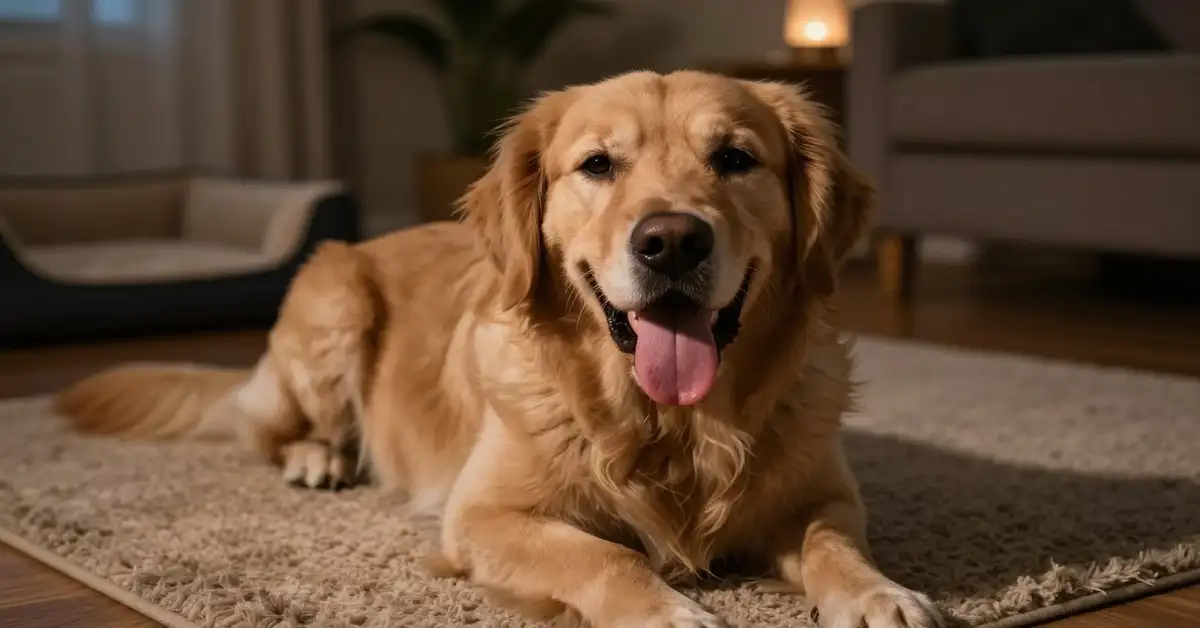
Other medical conditions that might cause nighttime panting include hyperthyroidism, a condition where the thyroid gland produces too much thyroid hormone, and Cushing’s disease, which involves an overproduction of cortisol. Both conditions can lead to symptoms like panting, increased thirst, and urination.
If you notice your dog panting excessively at night, it’s crucial to monitor their behavior and other symptoms. Keeping a record of when the panting occurs, how long it lasts, and any other symptoms can be helpful when consulting with a veterinarian.
Age-Related Causes of Nighttime Panting
Nighttime panting in dogs can be significantly influenced by their age, with different life stages presenting unique challenges. As dogs grow from puppies to adults and then to seniors, their breathing patterns and health conditions evolve, potentially leading to increased nighttime panting.
Puppies, being more energetic, might pant more at night due to their high activity levels during the day. However, as they mature into adults, other factors come into play. Adult dogs might experience nighttime panting due to anxiety or stress, which can be triggered by various factors, including changes in their environment or separation anxiety.
As dogs enter their senior years, age-related health issues become more prevalent. Conditions such as heart disease, arthritis, and respiratory problems can cause discomfort, leading to increased panting at night. Older dogs might also experience cognitive decline, similar to Alzheimer’s disease in humans, which can cause confusion and anxiety, further contributing to nighttime panting.
Some key age-related factors to consider include:
- Decreased physical mobility and flexibility
- Increased likelihood of chronic health conditions
- Cognitive decline
Understanding these age-related changes is crucial for dog owners to address their pets’ nighttime panting effectively. By recognizing the potential causes related to their dog’s age, owners can take appropriate measures to ensure their dog’s comfort and health.
Environmental and Behavioral Triggers for Dog Panting at Night
As the sun sets, dogs can experience panting due to a range of nighttime environmental and behavioral triggers. Understanding these factors is crucial for dog owners to provide a comfortable and stress-free environment for their pets.
Environmental triggers can include high temperatures and humidity levels. Dogs pant to regulate their body temperature, and a hot environment can exacerbate this behavior. Ensuring your dog’s sleeping area is cool and well-ventilated can help mitigate this issue.
Behavioral triggers, on the other hand, can stem from anxiety, stress, or excitement. Dogs may pant due to changes in their environment, such as new pets or people in the home, or due to separation anxiety. Identifying the root cause of your dog’s behavioral panting is essential to address it effectively.
“Dogs are highly sensitive to their environment and the people around them. Changes that seem minor to us can cause significant stress for them.”
Some common behavioral triggers include:
- Noise phobias
- Separation anxiety
- Changes in routine or environment
To address these triggers, dog owners can implement various strategies. For environmental triggers, using fans or air conditioning can help maintain a comfortable temperature. For behavioral triggers, techniques such as desensitization and counterconditioning can be effective.
| Trigger | Mitigation Strategy |
|---|---|
| High Temperature | Use air conditioning or fans |
| Separation Anxiety | Gradual separation, calming aids |
| Noise Phobias | Desensitization, white noise machines |
By understanding and addressing the environmental and behavioral triggers for dog panting at night, you can help ensure your dog’s comfort and well-being.
Dog Panting at Night and Drinking Lots of Water
Observing your dog panting heavily at night and drinking lots of water can be a sign of a potential health concern.Nighttime pantingis a common behavior in dogs, but when coupled with increased water consumption, it may indicate an underlying issue that needs attention.
Dogs regulate their body temperature and breathing through panting. However, excessive panting at night, especially when accompanied by increased water intake, could be a sign of various health conditions. It’s essential to understand that dogs, like humans, can experience fluctuations in their water needs based on their activity level, environment, and health status.
Several factors could contribute to a dog drinking more water and panting at night. These include:
- Environmental factors such as a warm room temperature
- Health conditions like diabetes or kidney disease
- Certain medications that increase thirst
To better understand the potential causes, let’s examine a comparison of common health issues associated with increased water consumption and nighttime panting:
| Health Issue | Symptoms | Action |
|---|---|---|
| Diabetes | Increased thirst, frequent urination | Consult a vet for blood tests |
| Kidney Disease | Excessive thirst, changes in urination | Get a veterinary check-up |
| Cushing’s Disease | Increased thirst, panting, weight gain | Discuss symptoms with your vet |
If you notice your dog panting at night and drinking lots of water, it’s crucial to monitor their behavior closely and consult with a veterinarian to rule out any underlying health issues. Ensuring your dog’s comfort and health is paramount, and understanding these signs is the first step towards providing the necessary care.
When to Be Concerned About Your Dog’s Nighttime Panting
As a dog owner, noticing your dog panting at night can be alarming and raises questions about their well-being. While panting is a normal behavior for dogs, nighttime panting can sometimes indicate an underlying issue that needs attention.
Dogs pant for various reasons, including heat, excitement, or stress. However, panting at night can be a sign of a more serious health concern. It’s essential to monitor your dog’s behavior and identify any changes or accompanying symptoms.
Some signs that your dog’s nighttime panting may be a cause for concern include:
- Panting that is more rapid or labored than usual
- Accompanying symptoms like coughing, wheezing, or restlessness
- Changes in appetite or water intake
- Visible signs of distress or anxiety
If you notice any of these signs, it’s crucial to consult with a veterinarian to determine the underlying cause. The veterinarian can help diagnose any potential health issues and provide guidance on the best course of action.
In some cases, nighttime panting can be a sign of a serious health condition, such as heart disease or respiratory problems. Early detection and treatment are vital to ensuring your dog’s health and comfort.
By being aware of the signs and seeking veterinary care when necessary, you can help ensure your dog’s nighttime comfort and overall well-being.
Home Remedies and Solutions for Nighttime Panting
Dogs panting at night can be a concern for many pet owners, but implementing some simple home remedies can make a significant difference. Understanding why does my dog pant at night is crucial, and while it’s essential to identify the underlying cause, there are immediate steps you can take to help your dog feel more comfortable.
One of the simplest remedies is to ensure your dog’s sleeping environment is cool and well-ventilated. Keeping the room temperature consistent can help prevent overheating, which is a common cause of nighttime panting. You can also consider using a fan or air conditioning to maintain a comfortable temperature.
Another effective solution is to ensure your dog is hydrated. Providing access to fresh water throughout the day and night can help prevent dehydration, which can exacerbate panting. You might also consider adding wet food to their diet or using a wet food topper to increase moisture intake.
Reducing stress and anxiety can also help alleviate nighttime panting. Creating a calming bedtime routine that includes gentle exercise, massage, or calming music can help your dog relax. You can also try using a ThunderShirt or other anxiety-reducing garments.
| Remedy | Description | Benefits |
|---|---|---|
| Cool Sleeping Environment | Maintain a consistent room temperature | Prevents overheating |
| Hydration | Ensure access to fresh water | Prevents dehydration |
| Calming Routine | Include gentle exercise and calming activities | Reduces stress and anxiety |
By implementing these home remedies and understanding why does my dog pant at night, you can help alleviate your dog’s nighttime panting and improve their overall comfort.
When and How to Seek Veterinary Care
Nighttime panting in dogs can be a symptom of various health problems, and knowing when to seek veterinary care is essential for your dog’s well-being. If your dog is panting excessively at night, it’s crucial to monitor their behavior and overall health to determine the cause.
Preparing for a Vet Visit: Before taking your dog to the vet, it’s helpful to keep a record of when the panting occurs, how long it lasts, and any factors that seem to trigger or relieve it. This information can be invaluable in helping your veterinarian diagnose the issue.
During the consultation, your veterinarian will likely perform a physical examination and may ask questions about your dog’s medical history, diet, and environment. They may also recommend diagnostic tests to rule out underlying conditions.
Common Diagnostic Tests may include blood work, X-rays, or an electrocardiogram (ECG). The results of these tests will help your veterinarian determine the cause of your dog’s nighttime panting.
| Diagnostic Test | Purpose |
|---|---|
| Blood Work | To check for signs of infection, inflammation, or other conditions |
| X-rays | To examine the heart, lungs, and other internal structures |
| Electrocardiogram (ECG) | To assess heart function and rhythm |
By understanding the cause of your dog’s nighttime panting, you and your veterinarian can work together to develop an effective treatment plan. If you’re concerned about your dog’s nighttime panting, don’t hesitate to seek veterinary care.
Conclusion: Ensuring Your Dog’s Nighttime Comfort
Understanding why your dog is panting so much at night is crucial for their comfort and health. By identifying the underlying causes, you can take steps to address the issue.
If you’re concerned about your dog’s nighttime panting, consider factors such as their age, health, and environment. Simple changes, like providing a cooler sleeping area or ensuring adequate hydration, can make a significant difference.
By following the guidance outlined in this article, you can help your dog enjoy a more comfortable and restful night’s sleep. If you’re still unsure about your dog’s panting or if it’s accompanied by other worrying symptoms, consult with a veterinarian for professional advice.