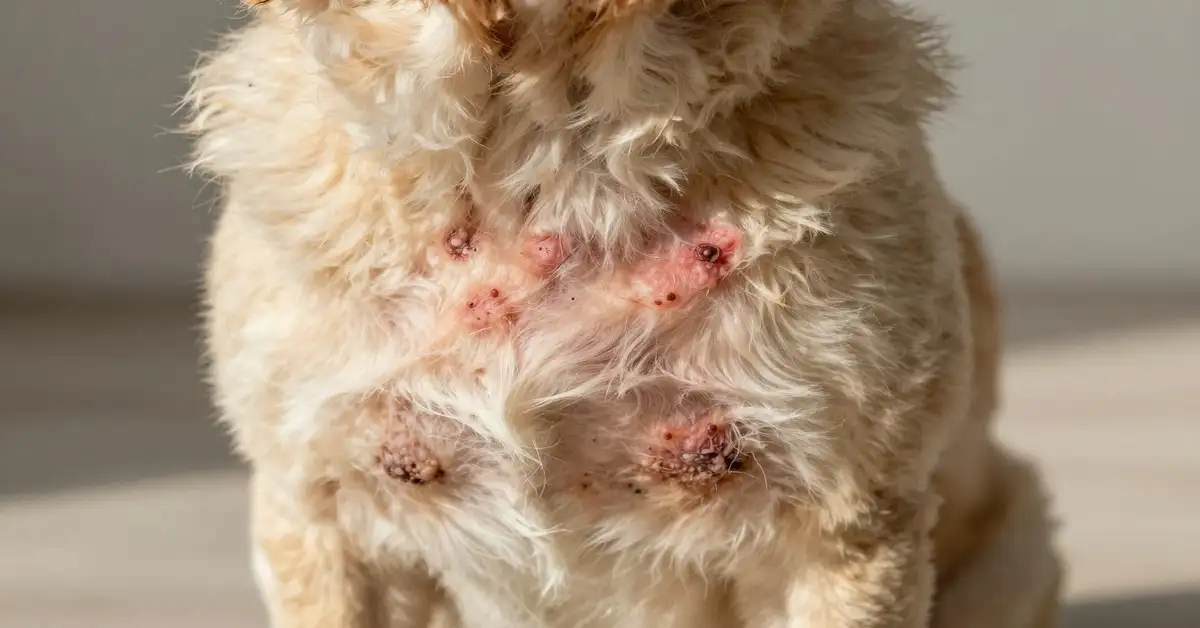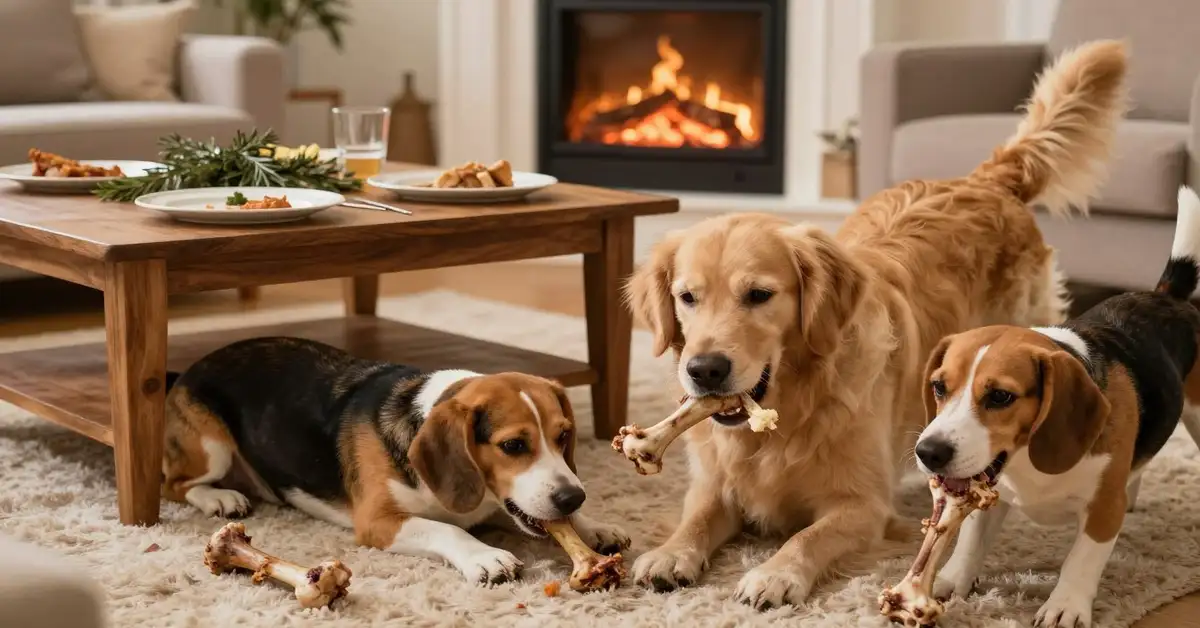
As the holiday season approaches, many of us are eager to share our festive feasts with our furry friends. However, when it comes to feeding dogs turkey bones, pet owners often find themselves torn between indulging their pets and ensuring their safety.
The question of whether dogs can safely consume turkey bones is a pressing concern for many dog owners. While it may seem like a harmless treat, turkey bones can pose significant health risks to our canine companions.
This article will explore the potential dangers associated with feeding dogs turkey bones and discuss safe alternatives that can satisfy your pet’s cravings without putting their health at risk.
Key Takeaways
- Understand the risks associated with feeding dogs turkey bones.
- Learn about safe alternatives to turkey bones for your dog.
- Discover how to keep your pet safe during the holiday season.
- Explore the potential health consequences of dogs consuming turkey bones.
- Find out how to satisfy your dog’s cravings without risking their health.
The Dangers of Feeding Turkey Bones to Dogs
Dogs may be attracted to turkey bones, but feeding them can lead to serious health complications. One of the primary concerns is that turkey bones can splinter, causing internal damage or obstruction if ingested.
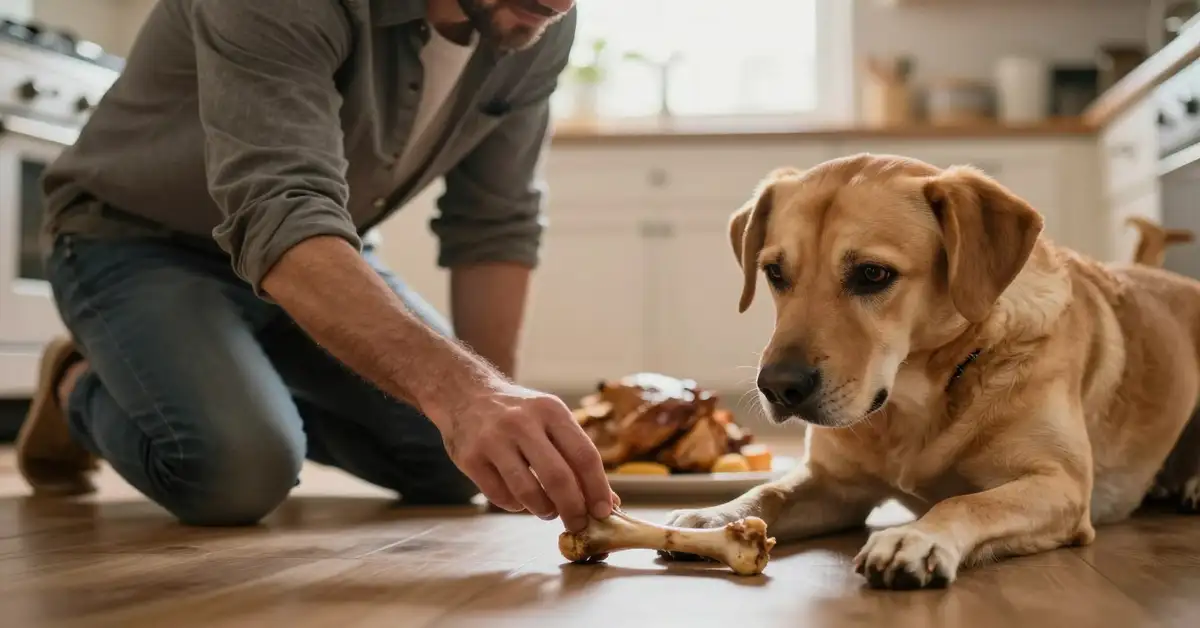
The sharp edges of these splintered bones can puncture the digestive tract, leading to severe pain, infection, or even life-threatening conditions. Obstruction is another significant risk, as large pieces of bone can get stuck in the digestive tract.
Gastrointestinal problems are also common when dogs eat turkey bones. Symptoms can range from mild discomfort to severe abdominal pain, and in some cases, may require surgical intervention to resolve. It’s crucial for dog owners to understand these risks and take steps to prevent their pets from accessing turkey bones.
Can Dogs Eat Turkey Bones? The Short Answer
It’s a common misconception that dogs can eat turkey bones without any risks. The truth is, feeding turkey bones to dogs can be dangerous and is generally not recommended. Turkey bones, especially when cooked, can splinter easily and cause serious health issues for dogs, including obstruction or puncture of the digestive tract.
While it might be tempting to share your holiday meal with your furry friend, it’s crucial to prioritize their safety. The risks associated with consuming turkey bones far outweigh any perceived benefits. Instead of bones, consider giving your dog a treat that’s specifically designed for canine consumption and is safe for them to eat.
In summary, the short answer to “can dogs eat turkey bones” is no, it’s not safe. The potential health risks make it advisable to keep turkey bones out of your dog’s reach. By choosing safe alternatives, you can ensure your pet enjoys the holiday season as much as you do, without compromising their health.
Types of Turkey Bones and Their Specific Risks
The type of turkey bone your dog ingests can significantly impact the potential harm it may cause. Turkey bones can be broadly categorized into two types: cooked and raw. Understanding the differences between these two categories is crucial for assessing the risks.
Cooked turkey bones are more prone to splintering than raw bones. When cooked, the bone’s structure becomes more brittle, making it easier for it to break into sharp fragments. These fragments can cause severe internal damage if ingested. On the other hand, raw turkey bones, while still posing a risk, are generally considered less likely to splinter.
However, raw bones can still cause obstruction or constipation if swallowed. It’s also worth noting that raw bones may contain bacteria like Salmonella, which can be harmful to both dogs and their human families.
Cooked vs. Raw: Key Differences
- Cooked bones are more brittle and prone to splintering.
- Raw bones are less likely to splinter but can still cause obstruction.
- Raw bones may contain harmful bacteria.
In conclusion, while both cooked and raw turkey bones pose risks to dogs, the nature of these risks differs. Being aware of these differences can help dog owners take informed decisions to protect their pets.
How Turkey Bones Can Harm Your Dog
Dogs that eat turkey bones are at risk of suffering from serious harm, including potentially life-threatening conditions. The primary concern is the bone’s ability to splinter and cause internal damage as it moves through the digestive system.
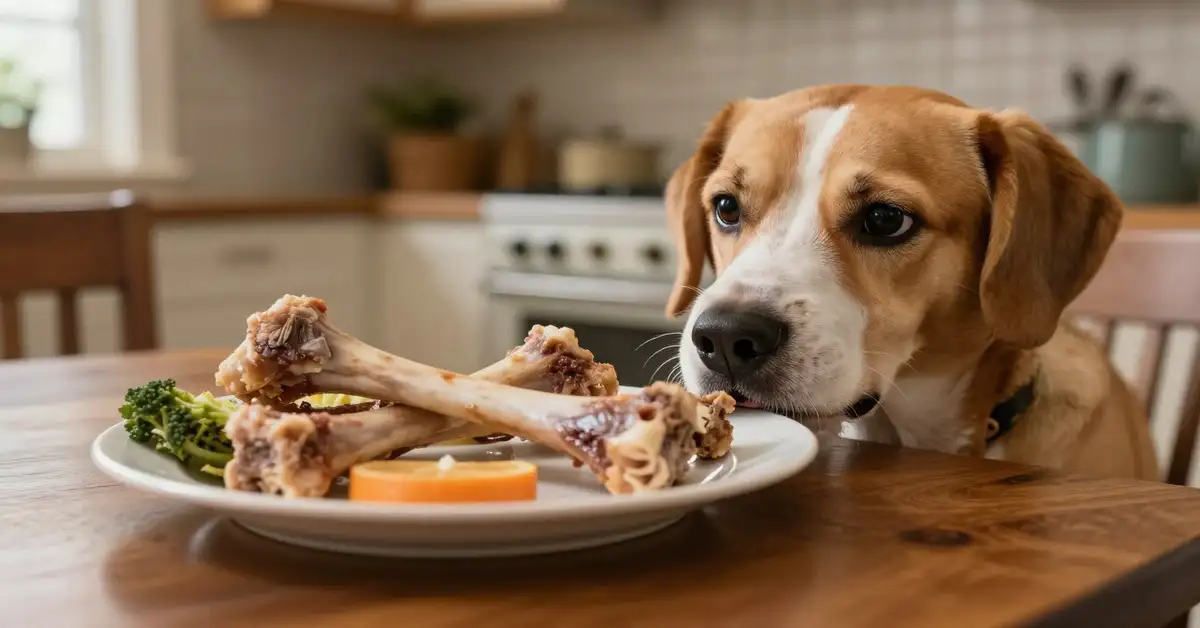
When a dog consumes turkey bones, the sharp fragments can puncture or obstruct the intestines, leading to severe health complications. Internal injuries caused by bone fragments can be extremely painful and may require surgical intervention.
Symptoms to Watch For
If your dog has eaten turkey bones, it’s crucial to monitor their behavior closely for signs of distress. Common symptoms include:
- Vomiting
- Diarrhea or constipation
- Abdominal pain or swelling
- Lethargy
- Loss of appetite
Prompt veterinary care is essential if you observe any of these symptoms. Early diagnosis and treatment can significantly improve your dog’s chances of recovery.
| Symptom | Description | Action Required |
|---|---|---|
| Vomiting | Dog vomits after consuming turkey bones | Monitor and seek veterinary care if persistent |
| Abdominal Pain | Dog shows signs of abdominal pain or swelling | Immediate veterinary attention required |
| Lethargy | Dog becomes lethargic or depressed | Seek veterinary care as soon as possible |
Understanding the risks and being vigilant about the symptoms can help prevent serious harm to your dog. If you’re unsure about what to do, consulting with a veterinarian is always the best course of action.
Signs Your Dog Has Eaten Turkey Bones
Knowing the signs that your dog has eaten turkey bones can be a lifesaver. If your dog has ingested turkey bones, it’s crucial to monitor their behavior closely for any adverse reactions.
Vomiting is one of the most common signs that your dog has eaten something harmful. If your dog vomits after being around turkey bones, it’s a clear indication that something is wrong. Additionally, look out for lethargy or a noticeable decrease in energy levels, as this can be a sign of internal distress.
Another critical symptom is abdominal pain. Dogs may exhibit discomfort by whining, pacing, or showing reluctance to lie down. In some cases, dogs may also experience diarrhea or constipation, both of which can be uncomfortable and potentially serious.
In severe cases, if the bone fragments cause an obstruction or puncture in the digestive tract, your dog may show signs of severe distress, including difficulty breathing, rapid heartbeat, or even collapse. If you observe any of these symptoms, it’s essential to seek veterinary care immediately.
Being vigilant and recognizing these signs early can significantly impact the outcome. Always keep a close eye on your dog during and after holidays when turkey bones are more likely to be around.
What to Do If Your Dog Eats Turkey Bones
Discovering that your dog has consumed turkey bones can be alarming, but knowing what to do can make all the difference. The first step is to remain calm and assess the situation.
If you suspect your dog has eaten turkey bones, monitor their behavior closely for any signs of distress, such as vomiting, diarrhea, or lethargy. According to a veterinary expert, “Prompt observation is key to identifying potential complications early on.”
“If your dog shows any symptoms like difficulty breathing, severe abdominal pain, or bloody stools, seek immediate veterinary attention.”
Contacting a Veterinarian
It’s crucial to contact a veterinarian as soon as possible if you believe your dog has eaten turkey bones. The veterinarian can provide guidance based on the size of your dog, the amount of bones consumed, and the type of bones.
Be prepared to provide detailed information about the incident, including the time it happened and the number of bones eaten. This information will help the veterinarian assess the risk and recommend the appropriate course of action.
In some cases, the veterinarian may advise you to monitor your dog at home, while in other cases, they may recommend immediate treatment. Either way, following professional advice is crucial to ensuring your dog’s safety.
As a precautionary measure, keep an eye on your dog’s stool quality and overall behavior, and report any changes to your veterinarian.
Veterinary Treatments for Bone-Related Injuries
If your dog has eaten turkey bones, understanding the available veterinary treatments can be a lifesaver. Prompt action is crucial to prevent serious complications.
Upon diagnosing bone ingestion, veterinarians typically conduct a series of examinations, including X-rays, to determine the location and number of bones ingested. This diagnostic process is crucial for deciding the best course of treatment.
Treatment Options
Treatment for bone ingestion can vary depending on the severity of the situation. In some cases, supportive care such as monitoring, fluids, and a special diet may be recommended to help the dog pass the bones safely.
In more severe cases, surgical intervention may be necessary to remove the bones or repair any damage they have caused. Your veterinarian will discuss the most appropriate treatment plan with you, taking into account the specific circumstances of your dog’s condition.
It’s essential to work closely with your veterinarian to ensure your dog receives the best possible care. By understanding the treatment options available, you can make informed decisions to help your dog recover from a potentially life-threatening situation.
Veterinary treatment for bone ingestion is a complex process that requires professional care. By acting quickly and following the advice of your veterinarian, you can significantly improve your dog’s chances of a full recovery.
Safe Alternatives to Turkey Bones for Dogs
There are numerous safe and healthy options for dogs instead of turkey bones, ensuring a fun and safe holiday season. Dog owners can consider a variety of dog-friendly treats that not only satisfy the urge to chew but also provide nutritional value.
Some of the best alternatives include rawhide chews, bully sticks, carrots, Greenies dental chews, and frozen treats made from peanut butter or pumpkin. These options are not only safer but can also be more beneficial for your dog’s health.
Nutritional Considerations
When choosing alternatives to turkey bones, it’s crucial to consider the nutritional content to ensure it aligns with your dog’s dietary needs.
| Treat | Calories | Protein Content |
|---|---|---|
| Rawhide Chews | Low | Variable |
| Bully Sticks | High | High |
| Carrots | Very Low | Low |
As Dr. Karen Becker, a renowned veterinarian, suggests, “Choosing the right treats for your dog can be as important as their regular meals, especially in terms of nutritional balance and safety.”
“The key to a healthy dog is balance and moderation in their diet, including treats.”
Always check the ingredients and nutritional information of any treat before giving it to your dog, and consult with your veterinarian if you have any concerns.
Nutritional Benefits of Turkey Meat for Dogs
The nutritional benefits of turkey meat for dogs are numerous, making it a popular choice among pet owners. Turkey meat is rich in high-quality protein, essential for maintaining a dog’s overall health, including muscle development and repair.
In addition to protein, turkey meat is a good source of essential vitamins and minerals such as vitamin B6 and niacin, which play crucial roles in energy metabolism and maintaining healthy skin and coat.
To safely incorporate turkey meat into a dog’s diet, it’s essential to remove any bones and skin, as these can cause harm. The meat should be cooked thoroughly to prevent bacterial contamination. It’s also advisable to introduce turkey meat gradually into a dog’s diet to monitor for any signs of allergy or intolerance.
Overall, turkey meat can be a nutritious and healthy addition to a dog’s diet when prepared correctly. Its high protein content and essential nutrients make it a valuable treat or meal supplement for dogs.
Preventing Access to Turkey Bones
To ensure your dog’s safety, it’s essential to take proactive measures to prevent access to turkey bones. One of the most effective ways to do this is by disposing of turkey bones properly.
Here are some tips for safe disposal:
- Wrap turkey bones tightly in plastic bags or wrap.
- Place wrapped bones in a secure trash can that your dog cannot access.
- Consider disposing of bones immediately after the meal to prevent temptation.
| Safe Disposal Methods | Benefits |
|---|---|
| Wrapping bones tightly | Prevents leakage and reduces odor |
| Using secure trash cans | Prevents dogs from accessing bones |
| Immediate disposal | Reduces the chance of dogs getting to the bones |
By following these simple steps, you can significantly reduce the risk of your dog accessing turkey bones. Being proactive is key to ensuring your dog’s safety during the holiday season.
Other Holiday Foods That Are Dangerous for Dogs
Beyond turkey bones, several other holiday foods pose significant risks to canine health. It’s essential to be aware of these dangers to keep your dog safe during the festive season.
Some of the most hazardous holiday foods for dogs include chocolate, grapes, and onions. Chocolate contains theobromine, which can cause vomiting, diarrhea, and increased heart rate in dogs. Grapes and raisins have been known to cause kidney failure, while onions and garlic belong to the Allium family and can lead to anemia due to damage to red blood cells.
To keep your dog safe, it’s crucial to store these foods out of reach. Here is a quick reference table for hazardous holiday foods:
| Food | Potential Harm |
|---|---|
| Chocolate | Theobromine toxicity |
| Grapes/Raisins | Kidney failure |
| Onions/Garlic | Anemia |
By being mindful of these dangerous holiday foods and taking steps to secure them, you can help ensure a safe and happy holiday season for your dog.
Conclusion
As a dog owner, it’s essential to prioritize your pet’s health and safety, especially during the holidays. Feeding turkey bones to dogs can be hazardous, and it’s crucial to understand the risks involved.
Turkey bones can cause obstruction, splintering, and gastrointestinal problems in dogs. Instead of giving your dog turkey bones, consider safe alternatives like bully sticks or raw carrots. These options can provide a similar festive treat experience without the risks.
To keep your dog safe, be aware of the signs that they have eaten turkey bones, such as vomiting, diarrhea, or lethargy. If you suspect your dog has ingested turkey bones, seek veterinary attention immediately.
By being mindful of what your dog eats and taking steps to prevent access to hazardous foods, you can ensure a happy and healthy holiday season for your pet. So, can dogs eat turkey bones? The answer is a resounding “no,” and with the right precautions, you can keep your furry friend safe and happy.