Neutering is a significant decision for dog owners, impacting their pet’s behavior and health. As a responsible dog owner, understanding the right time for this procedure is crucial.
Unwanted breeding, certain health issues, and behavioral problems are some reasons why neutering might be necessary. Recognizing the signs that indicate your dog needs to be neutered can help you make an informed decision.
By understanding these signs, you can ensure your dog leads a healthier, happier life. Neutering can prevent certain health issues and reduce undesirable behaviors, making it a vital aspect of dog care.
Key Takeaways
- Neutering can prevent unwanted breeding and certain health issues.
- It can reduce undesirable behaviors in dogs.
- Understanding the signs for neutering is crucial for dog owners.
- Neutering contributes to a healthier, happier life for dogs.
- It’s a significant decision that impacts a dog’s behavior and health.
Understanding Dog Neutering: What It Is and Why It Matters
The process of dog neutering, while straightforward, holds considerable importance for dog owners who wish to ensure their pets lead healthy, balanced lives. Dog neutering, also known as spaying or castration, is a surgical procedure that renders a dog infertile, preventing it from reproducing.
What is Dog Neutering? Essentially, dog neutering involves a veterinarian surgically removing the reproductive organs of the dog. For males, this means removing the testicles, while for females, it involves removing the ovaries and often the uterus as well. This procedure is performed under general anesthesia to minimize discomfort and pain.
Why Does Neutering Matter? Neutering your dog can have several benefits, both for the dog and the community. One of the primary reasons is population control. With millions of dogs in shelters waiting for homes, neutering helps prevent unwanted litters, thereby reducing the number of dogs that end up in shelters.
Neutering also has significant health benefits. It can reduce the risk of certain health issues, such as testicular cancer in males and uterine infections in females. Moreover, neutering can curb undesirable behaviors such as aggression and roaming, which can lead to accidents or fights.
| Benefits of Neutering | Description |
|---|---|
| Population Control | Prevents unwanted litters, reducing the number of dogs in shelters. |
| Health Benefits | Reduces the risk of certain cancers and infections. |
| Behavioral Improvements | Can reduce aggression and undesirable behaviors. |
In conclusion, dog neutering is a vital decision for dog owners, offering numerous benefits that enhance the dog’s quality of life and contribute to the welfare of the community.
Signs Your Dog Needs to Be Neutered
Understanding when your dog needs to be neutered involves observing both physical and behavioral changes. Neutering, or spaying, is a surgical procedure that eliminates your dog’s ability to reproduce, and it can have a significant impact on their behavior and health.
Physical signs that may indicate your dog needs to be neutered include testicular abnormalities or health issues related to the reproductive system. For instance, conditions like undescended testicles or testicular cancer can be concerns that necessitate neutering.
Behavioral Clues
Behavioral clues are often more apparent and can be a significant indicator that your dog should be neutered. These behaviors include aggression, roaming, or mounting. Dogs that exhibit these behaviors, especially males, may be driven by their sexual instincts, and neutering can help mitigate these behaviors.
Other signs that your dog might need to be neutered include excessive barking or whining, especially if it’s related to seeking a mate. Some dogs may also exhibit territorial marking or become overly dominant. Neutering can help reduce these behaviors, leading to a more harmonious household.
It’s essential to consult with a veterinarian to determine the best course of action for your dog. They can provide guidance based on your dog’s age, health, breed, and behavior, helping you make an informed decision about neutering.
Behavioral Changes That Suggest Neutering Is Necessary
Neutering is a common procedure that can lead to significant improvements in a dog’s behavior. Certain behaviors, such as mounting or aggression, can be indicative of the need for neutering. By understanding these behaviors and how neutering can address them, dog owners can make informed decisions about their pet’s health.
One of the primary behavioral changes that may suggest neutering is necessary is aggression. Aggression in dogs can manifest as growling, snapping, or biting, often triggered by dominance or sexual instincts. Neutering can help reduce aggression by decreasing the levels of hormones such as testosterone, which can contribute to aggressive behavior.
Another common issue is mounting or humping, which can be embarrassing for dog owners and uncomfortable for others. This behavior is often driven by sexual instincts and can be significantly reduced through neutering. By eliminating the source of these instincts, neutering can lead to a more well-behaved pet.
Common Behavioral Issues Addressed by Neutering
- Aggression towards people or other animals
- Mounting or humping behaviors
- Roaming or escaping to find a mate
- Marking territory with urine
The following table summarizes the behavioral changes that may indicate the need for neutering and how the procedure can help:
| Behavioral Issue | How Neutering Helps |
|---|---|
| Aggression | Reduces hormone-driven aggression |
| Mounting/Humping | Decreases sexual instincts |
| Roaming/Escaping | Eliminates the desire to find a mate |
| Territory Marking | Reduces the instinct to mark territory |
By understanding these behavioral changes and the benefits of neutering, dog owners can take the first step towards creating a more harmonious and safe environment for both their pets and those around them.
Health-Related Signs That Indicate Neutering Is Beneficial
Several health-related signs may indicate that neutering your dog is beneficial. Neutering can prevent or alleviate certain health issues, improving your dog’s overall well-being.
Testicular Cancer Prevention: One of the significant health benefits of neutering is the prevention of testicular cancer. Intact male dogs are at risk of developing this type of cancer, which can be painful and potentially life-threatening. Neutering eliminates this risk entirely.
Swelling or Abnormalities
Swelling or abnormalities in the testicular area can be a sign of underlying health issues, including testicular cancer or torsion. If you notice any unusual swelling or lumps, it’s crucial to consult with your veterinarian. Neutering can prevent these conditions from developing.
Signs of Discomfort
Signs of discomfort or pain in your dog, such as whining or restlessness, especially around the genital area, can indicate health problems that neutering might alleviate. Prostate issues are common in intact male dogs and can cause significant discomfort.
Prostate Issues are another health concern that can be mitigated through neutering. Conditions like prostatitis or benign prostatic hyperplasia (BPH) can cause pain and discomfort. Neutering can help reduce the risk of these conditions or alleviate their symptoms.

By paying attention to these health-related signs and consulting with your veterinarian, you can make an informed decision about neutering your dog. This decision can significantly impact your dog’s health and quality of life.
Age Considerations: When Is the Right Time to Neuter Your Dog?
The ideal age to neuter a dog varies significantly based on the dog’s breed, health, and size. Different factors influence this decision, making it crucial for dog owners to understand the specific needs of their pet.
Breed and Size Considerations: Larger breeds, such as Great Danes, may benefit from delayed neutering until they are fully grown, around 18 months to 2 years of age. This is because early neutering can affect their growth plates, potentially leading to joint issues. On the other hand, smaller breeds can often be neutered earlier, typically between 6 to 9 months of age.
Health Status also plays a critical role in determining the right time for neutering. Dogs with certain health conditions may require their owners to consider the timing carefully to avoid exacerbating the condition.
Some veterinarians recommend neutering before the first heat cycle for female dogs, which can be as early as 4 to 6 months, to reduce the risk of certain health issues like uterine infections and breast tumors. However, the optimal timing can vary based on the factors mentioned above.
Ultimately, consulting with a veterinarian is essential to determine the best time to neuter your dog. They can provide personalized advice based on the dog’s specific characteristics and health status, ensuring that the decision supports the dog’s overall well-being.
By considering these factors and consulting with a professional, dog owners can make an informed decision about the right age to neuter their dog, contributing to a healthier and more balanced life for their pet.
The Benefits of Neutering Beyond Behavior Control
Neutering is not just about curbing undesirable behaviors; it also provides several health benefits that can enhance your dog’s quality of life. While behavioral control is a significant reason many pet owners opt for neutering, the procedure offers a range of additional advantages that are equally important.
Improving Overall Health through neutering involves several key aspects, one of which is the prevention of certain health issues. By choosing to neuter your dog, you’re taking a proactive step towards ensuring their long-term health and wellbeing.
One of the significant health benefits of neutering is the reduced risk of certain types of cancer. For instance, neutering eliminates the risk of testicular cancer and significantly reduces the risk of prostate cancer in dogs. This is a crucial consideration for pet owners, as it directly impacts their dog’s health and longevity.
Reduced Risk of Other Diseases
Beyond cancer prevention, neutering can also reduce the risk of other diseases and conditions. For example, it can prevent uterine infections and reduce the risk of breast tumors in female dogs. These health benefits contribute to a longer, healthier life for your pet.
Long-term Health Implications should be a key consideration when deciding whether to neuter your dog. By understanding the full range of benefits, from behavioral improvements to significant health advantages, pet owners can make informed decisions that best suit their dog’s needs.
In conclusion, the benefits of neutering extend far beyond just controlling behavior. They encompass a range of health benefits that can significantly improve your dog’s quality of life and longevity. By considering these factors, you can make a well-informed decision about whether neutering is right for your dog.
Common Myths and Misconceptions About Neutering
Despite its prevalence, neutering is frequently misunderstood, leading to unnecessary concerns among dog owners. Many believe that neutering will drastically change their dog’s personality or lead to significant weight gain. However, these are common myths that need to be debunked.
One of the most persistent myths is that neutering causes dogs to become lazy or gain weight. In reality, weight gain is more likely due to overfeeding and lack of exercise rather than the neutering process itself. Proper diet and regular exercise can mitigate any potential weight gain.
“Neutering is a personal decision that should be based on factual information, not misconceptions or hearsay.”
Another misconception is that neutering is only necessary for behavioral issues. While it’s true that neutering can reduce undesirable behaviors such as aggression or roaming, it also has health benefits. For instance, neutering can reduce the risk of certain cancers and prevent unwanted breeding.
| Myth | Fact |
|---|---|
| Neutering causes significant personality changes. | Neutering can reduce undesirable behaviors but doesn’t drastically change a dog’s personality. |
| Neutering leads to weight gain. | Weight gain is more related to diet and exercise than neutering. |
It’s also a misconception that neutering is a one-size-fits-all solution. The decision to neuter should be based on factors such as the dog’s age, breed, and health status. Consulting with a veterinarian can provide personalized advice tailored to the dog’s specific needs.
In conclusion, understanding the facts about neutering can help dog owners make informed decisions. By debunking these common myths, we can ensure that our pets receive the care they need without unnecessary concerns.
What to Expect During and After the Neutering Procedure
As a dog owner, knowing what to expect during and after neutering can ease your concerns. Neutering is a surgical procedure that involves removing your dog’s reproductive organs to prevent breeding and reduce certain health risks.
The neutering procedure is typically performed under general anesthesia to ensure your dog’s comfort. The surgery is relatively quick, and most dogs recover within a few days. Your veterinarian will provide specific instructions on pre-operative care, such as withholding food and water before the surgery.
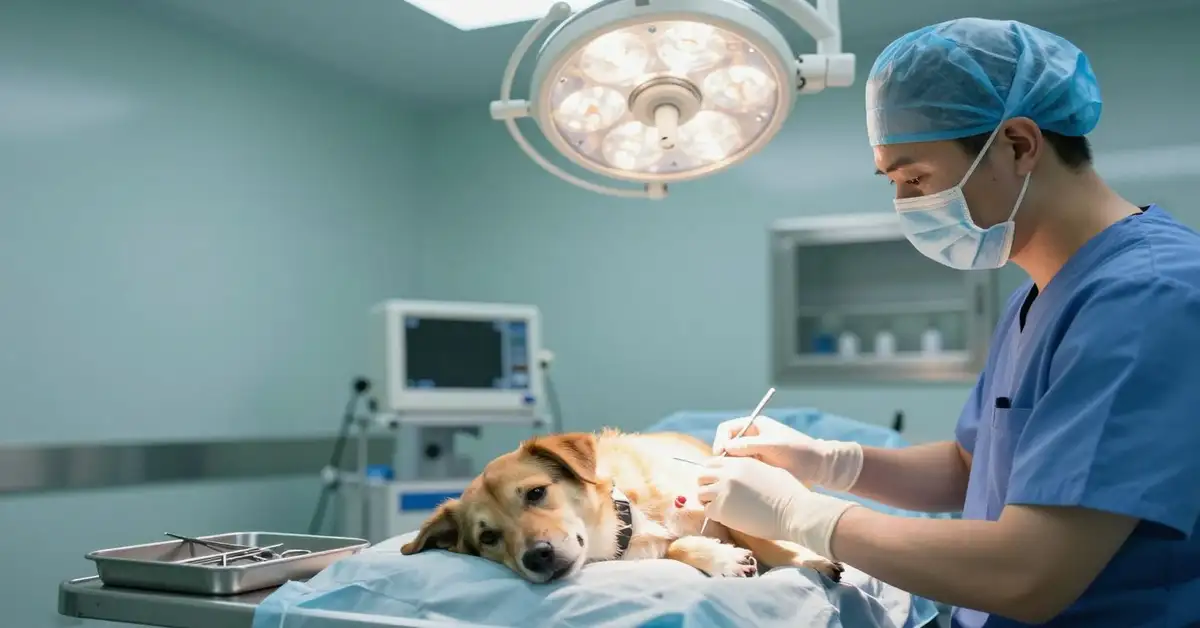
After the surgery, it’s crucial to follow your veterinarian’s guidance on post-operative care. This includes monitoring your dog’s recovery, managing pain, and preventing infection.
Managing Your Dog’s Recovery at Home
To ensure a smooth recovery, keep your dog calm and limit their activity. Provide a comfortable, quiet space for rest, and follow your veterinarian’s instructions for medication and follow-up care.
Signs of Complications to Watch For
While complications are rare, watch for signs of infection, such as redness, swelling, or discharge. Contact your veterinarian immediately if you notice any unusual symptoms or if your dog shows signs of pain or distress.
By understanding the neutering process and following your veterinarian’s advice, you can help ensure your dog’s health and well-being.
Conclusion: Making the Right Decision for Your Dog’s Health
Making the decision to neuter dog is a significant choice that impacts your pet’s health and behavior. Throughout this article, we’ve explored various signs your dog needs to be neutered, from behavioral changes to health-related issues.
Understanding these signs is crucial in determining whether neutering is the right choice for your dog. By considering factors such as age, health, and behavior, you can make an informed decision that benefits your pet’s overall well-being.
Consulting with a veterinarian is essential in this process. They can provide personalized advice based on your dog’s specific needs and health status, helping you make the best decision for your furry friend.
Ultimately, the goal is to ensure your dog leads a happy, healthy life. By being aware of the signs that indicate neutering is necessary, you can take proactive steps to improve your dog’s quality of life.