Ringworm is a common fungal infection that affects dogs, causing skin lesions, hair loss, and discomfort. As a dog owner, it’s crucial to identify the signs and symptoms of ringworm to provide timely care and treatment.
Understanding the appearance of ringworm on dogs is essential for early detection and effective treatment. The infection can lead to circular patches of hair loss, redness, and itching. If left untreated, ringworm can spread to other parts of the dog’s body and even to other pets and humans.
Key Takeaways
- Ringworm is a fungal infection that causes skin lesions and hair loss in dogs.
- Early detection is crucial for effective treatment and preventing the spread of the infection.
- Common symptoms include circular patches of hair loss, redness, and itching.
- Ringworm can spread to other pets and humans if left untreated.
- Timely care and treatment can help alleviate symptoms and prevent complications.
The Nature of Canine Ringworm
Ringworm, despite its name, is not a worm but a fungal infection affecting dogs. It’s caused by fungi of the genera Microsporum, Trichophyton, and Epidermophyton, with Microsporum canis being the most common species affecting dogs. This infection is highly contagious and can spread through direct contact with infected animals or contaminated objects.
The prevalence of canine ringworm is significant due to its contagious nature and the ease with which it spreads in environments where dogs are in close proximity to each other, such as dog parks, kennels, and veterinary clinics. Factors contributing to its spread include poor hygiene, a compromised immune system in dogs, and the presence of other skin conditions.
| Fungal Species | Prevalence in Dogs | Contagiousness Level |
|---|---|---|
| Microsporum canis | High | Very High |
| Trichophyton | Moderate | High |
| Epidermophyton | Low | Moderate |
Understanding the nature of canine ringworm is crucial for dog owners to take preventive measures and seek timely veterinary care if they suspect their dog has been infected. Regular grooming and maintaining a clean environment are key steps in preventing the spread of this fungal infection.
What Does Ringworm Look Like on a Dog? Visual Identification Guide
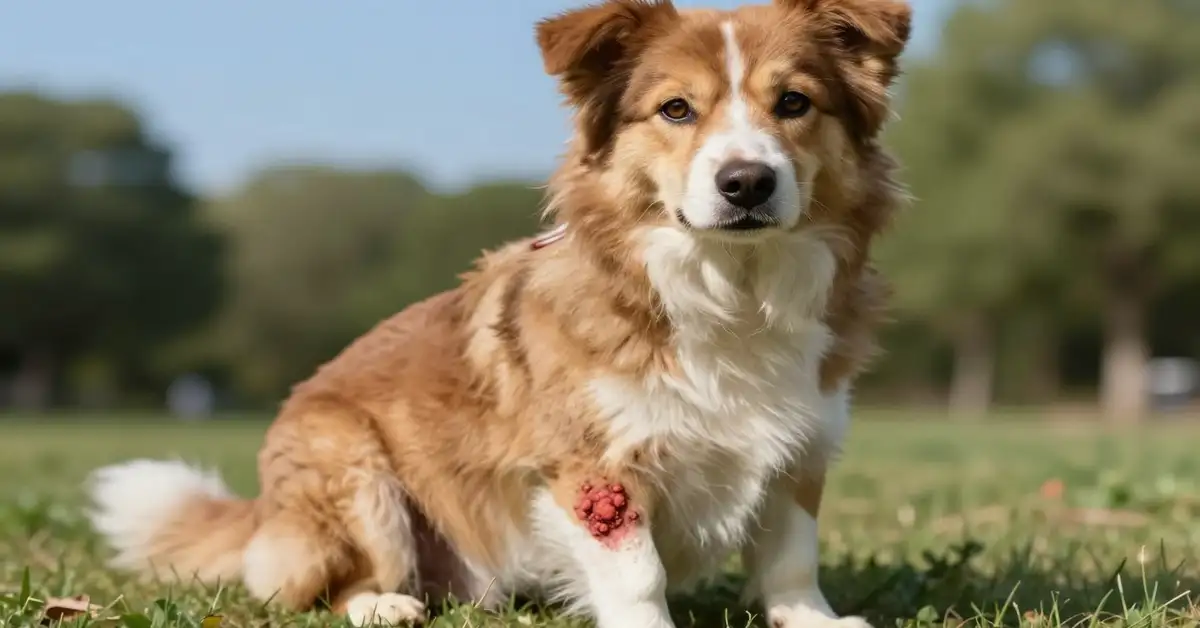
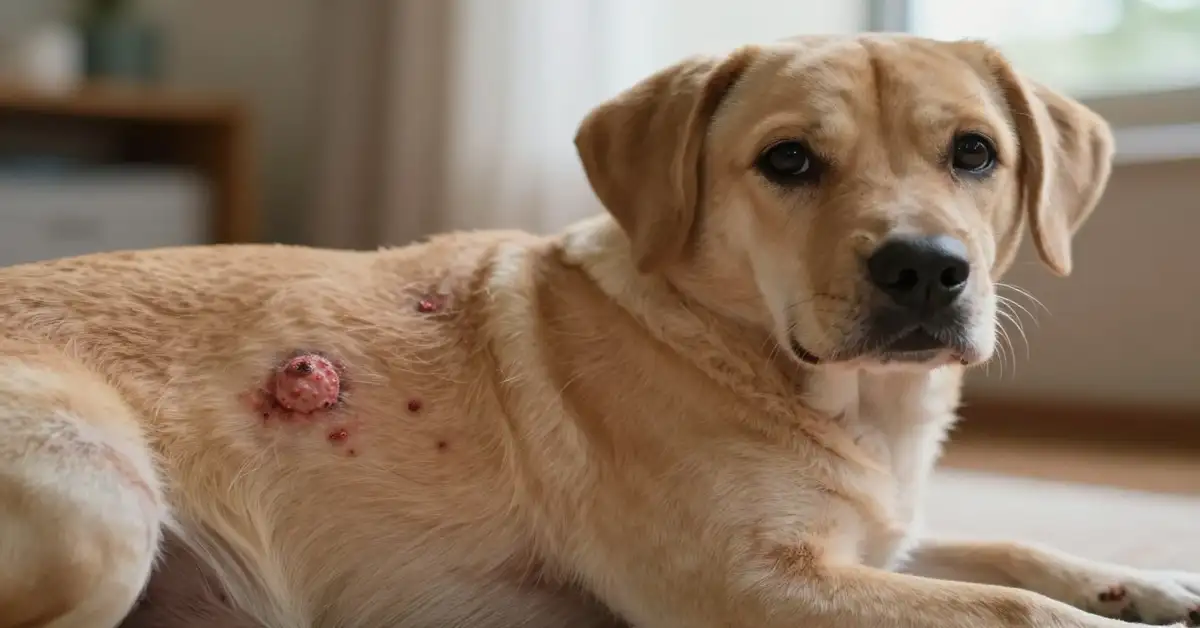
Ringworm is a common fungal infection in dogs, and recognizing its visual signs is essential for prompt treatment. The condition is characterized by distinct lesions on the skin, which can vary in appearance.
The typical ringworm lesion is circular, hence the name, and can appear anywhere on the dog’s body. These lesions often start as small, raised areas that can grow in size over time.
Common Visual Characteristics
Some common visual characteristics of ringworm on dogs include:
- Circular or ring-shaped lesions
- Redness and inflammation around the affected area
- Hair loss within the lesions, giving them a bald appearance
- Sometimes, the lesions may be itchy, leading to scratching and further irritation
Visual inspection is a crucial first step in identifying ringworm. However, it’s also important to note that ringworm can resemble other skin conditions, making a veterinary diagnosis essential.
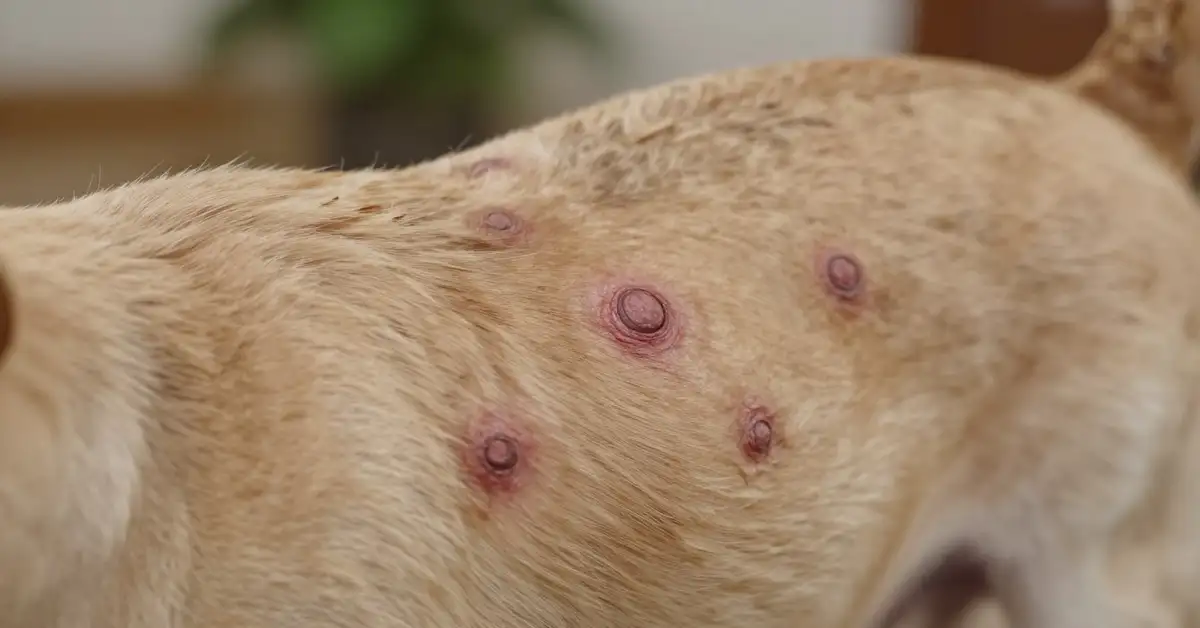
The appearance of ringworm can vary depending on the stage of the infection and the individual dog’s response. Early stages may show minimal symptoms, while advanced stages can have more pronounced lesions.
By understanding what ringworm looks like on a dog, you can take the first steps towards getting your pet the care they need. If you suspect your dog has ringworm, consult with a veterinarian for an accurate diagnosis and appropriate treatment plan.
The Progression of Ringworm: From Early to Advanced Stages
Understanding the progression of ringworm in dogs is crucial for effective management. Ringworm, a fungal infection, can advance through various stages if left untreated, leading to more severe symptoms and potentially spreading to other parts of the body or even to other pets and humans.
In the early stages, ringworm may appear as small, circular lesions on the skin, often accompanied by redness and itching. As the infection progresses, these lesions can grow in size and become more inflamed. It’s essential for dog owners to recognize these early signs to intervene before the condition worsens.
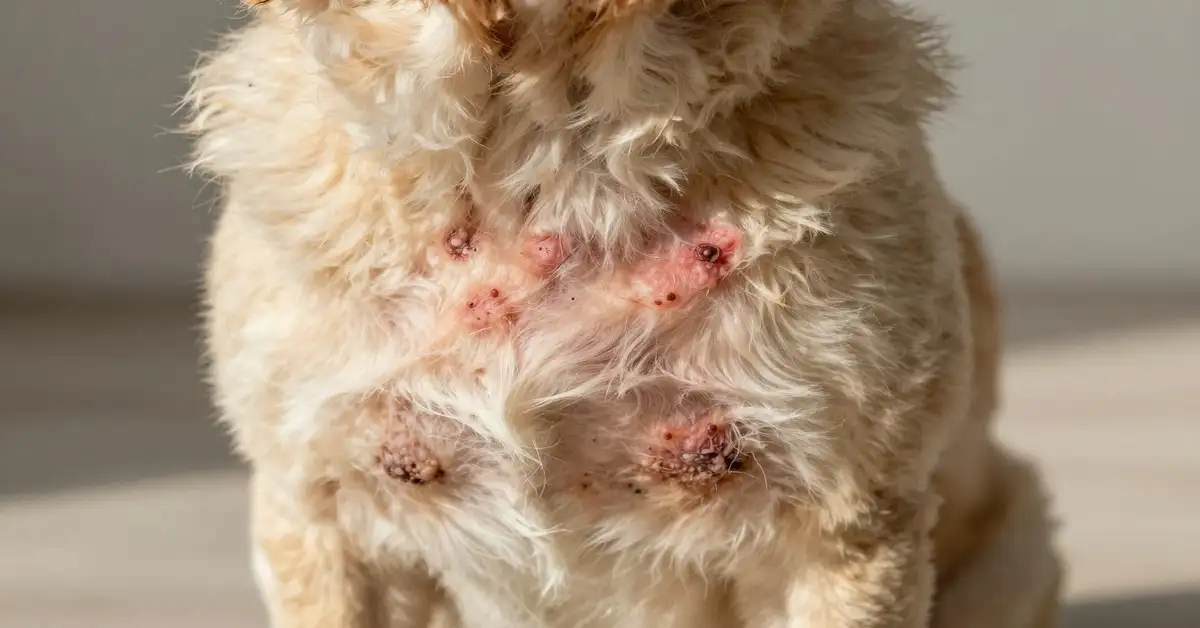
As ringworm advances, the lesions can become more pronounced, potentially leading to secondary bacterial infections. The fur around the affected areas may fall out, and the skin can become crusty or scaly. In advanced stages, the infection can spread to multiple areas of the body, complicating treatment.
The stages of ringworm in dogs underscore the importance of early detection and treatment. By understanding how ringworm progresses, dog owners can take prompt action to manage the condition effectively, reducing the risk of complications and transmission to others.
Regular monitoring and veterinary care are critical in managing dog ringworm stages. With appropriate treatment, it’s possible to halt the progression of the infection and facilitate recovery.
Common Locations Where Ringworm Appears on Dogs
Understanding where ringworm typically appears on dogs is crucial for early detection and treatment. Ringworm, a fungal infection, can manifest in various parts of a dog’s body. However, certain areas are more prone to infection due to various factors, including moisture accumulation and friction.
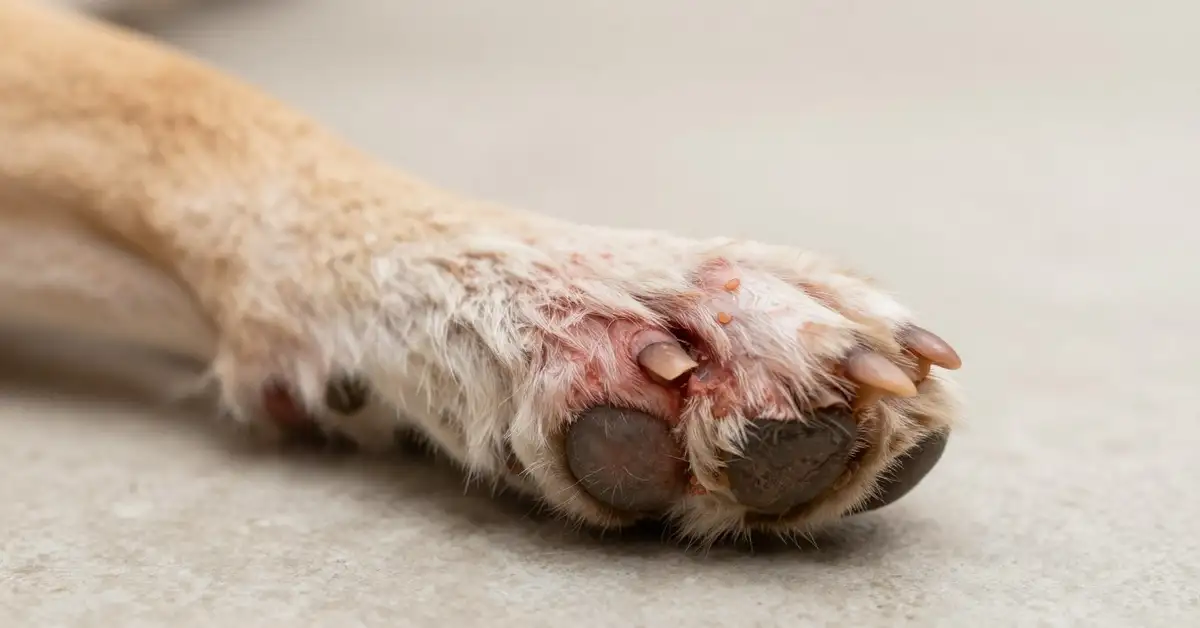
The head, ears, and paws are among the most common locations where ringworm lesions are found on dogs. The head is particularly susceptible due to the frequent presence of moisture and the potential for micro-trauma from scratching or rubbing. Ears, especially those with folded structures, can trap moisture, creating an ideal environment for fungal growth. Paws, being in constant contact with potentially contaminated soil or surfaces, are also at high risk.
Ringworm can also appear on other parts of the dog’s body, such as the tail, legs, and abdomen, although these areas are less commonly affected. The location of the lesions can sometimes indicate the stage or severity of the infection. For instance, widespread lesions may suggest a more advanced infection or a higher level of contagiousness.
By knowing the common areas affected by ringworm, dog owners can more effectively monitor their pets and seek veterinary care if they suspect an infection. Early detection is key to managing ringworm effectively and preventing its spread to other animals and humans.
Beyond Visual Signs: Other Symptoms of Canine Ringworm
Beyond the typical circular lesions, canine ringworm can manifest through various other symptoms that are crucial for dog owners to recognize.
Other symptoms of ringworm in dogs include intense itching, redness, and inflammation around the affected area. Dogs may exhibit excessive scratching, leading to further skin irritation and potential secondary infections.
Common symptoms to watch for:
- Intense itching and scratching
- Redness and inflammation
- Skin irritation and lesions
- Excessive shedding or hair loss
In severe cases, if the infection spreads, dogs may display systemic symptoms such as lethargy or loss of appetite. It’s essential for dog owners to monitor their pets closely and consult a veterinarian if they notice any of these symptoms.
Early detection and treatment are key to managing ringworm effectively and preventing its spread to other pets and family members.
Diagnosing Ringworm in Your Dog
Ringworm diagnosis in dogs involves a combination of physical examination, history taking, and specific diagnostic tests. Your veterinarian will start by examining your dog’s skin and coat, looking for characteristic signs of ringworm, such as circular lesions and hair loss.
Diagnostic Methods: Several tests can be used to diagnose ringworm. One common method is the Wood’s lamp examination, where a special ultraviolet light is used to detect fungal spores. However, not all ringworm fungi fluoresce under this light, so additional tests may be necessary.
A fungal culture is considered one of the most reliable diagnostic methods. It involves taking a sample from the affected area and growing it in a laboratory to identify the fungus. This process can take several weeks, but it provides a definitive diagnosis.
Another diagnostic approach is the microscopic examination, where a sample is examined under a microscope to look for fungal elements. This method can provide a quicker diagnosis but may not be as accurate as a fungal culture.
| Diagnostic Method | Advantages | Limitations |
|---|---|---|
| Wood’s Lamp Examination | Quick, easy to perform | Not all fungi fluoresce |
| Fungal Culture | Highly accurate, definitive diagnosis | Time-consuming, may take weeks |
| Microscopic Examination | Provides quick results | May not be as accurate as culture |
Understanding these diagnostic methods can help you work with your veterinarian to determine the best course of action for your dog. Accurate diagnosis is crucial for effective treatment and preventing the spread of the infection.
Conditions That Can Be Mistaken for Ringworm
Diagnosing ringworm accurately is crucial because several other conditions can mimic its symptoms. Dog owners often find it challenging to distinguish ringworm from other skin conditions due to the similarity in their appearance.
One common condition mistaken for ringworm is bacterial folliculitis. This bacterial infection can cause lesions and skin irritation that resemble ringworm.Accurate diagnosis is essentialto treat the condition effectively. Another condition is dermatitis, which can manifest in various forms, including allergic reactions or irritant contact dermatitis, and can be confused with ringworm due to overlapping symptoms.
Other fungal infections, such as those caused by yeasts or other dermatophytes, can also be misdiagnosed as ringworm. The complexity of these conditions highlights the importance of a thorough examination by a veterinarian.A professional diagnosisensures that the correct treatment is administered, reducing the risk of misdiagnosis and prolonged suffering for the dog.
Some key differential diagnoses for ringworm include:
- Bacterial folliculitis
- Dermatitis (allergic or irritant)
- Other fungal infections (yeast or dermatophyte infections)
Consulting with a veterinarian is vital to determine the exact cause of the skin condition. Through a combination of physical examination, medical history, and diagnostic tests, a veterinarian can provide a precise diagnosis and recommend an appropriate treatment plan.
Comprehensive Treatment Approaches for Canine Ringworm
Canine ringworm treatment involves a combination of antifungal medications, topical creams, and thorough environmental decontamination. Treating ringworm effectively requires a comprehensive strategy that addresses both the infected dog and its environment.
Topical and Systemic Treatments
Topical treatments are crucial in managing ringworm. Antifungal creams and ointments are applied directly to the affected areas to reduce fungal growth. Common topical treatments include products containing clotrimazole and miconazole.
Systemic treatments involve administering oral antifungal medications to combat the infection from within. Griseofulvin and itraconazole are commonly prescribed oral antifungals for canine ringworm.
| Treatment Type | Examples | Application |
|---|---|---|
| Topical Treatments | Clotrimazole, Miconazole | Direct application to affected areas |
| Systemic Treatments | Griseofulvin, Itraconazole | Oral administration |
| Environmental Decontamination | Disinfectants, Bleach | Cleaning of the dog’s environment |
Environmental decontamination is a critical component of ringworm treatment. It involves thorough cleaning and disinfection of the dog’s living areas, including bedding, grooming tools, and any surfaces that may have come into contact with the infected dog.
Completing the full treatment course is essential to prevent recurrence and ensure the dog fully recovers. Regular follow-up with a veterinarian is necessary to monitor the dog’s response to treatment and make any necessary adjustments.
Ringworm Zoonosis: Protecting Your Family
The zoonotic potential of ringworm means that dog owners must take proactive steps to safeguard their family’s health. Ringworm is a fungal infection that can easily spread from dogs to humans, making it a household concern.
Understanding Ringworm Transmission
Ringworm transmission to humans typically occurs through direct contact with an infected dog’s skin or contaminated items like bedding, grooming tools, or even soil. People with weakened immune systems, such as the elderly, young children, and those with chronic illnesses, are more susceptible to infection.
Preventive Measures
To protect your family, practicing good hygiene is paramount. This includes:
- Washing hands thoroughly with soap and water after handling your dog or its belongings.
- Regularly cleaning and disinfecting your dog’s environment, including its bedding and grooming tools.
- Avoiding sharing personal items with your dog, such as towels or clothing.
- Keeping your dog’s living areas clean and well-ventilated.
By taking these precautions, you can significantly reduce the risk of ringworm transmission to your family members. It’s also crucial to monitor your dog’s health closely and seek veterinary care at the first sign of ringworm or any other illness.
Conclusion
While ringworm zoonosis poses a risk to human family members, this risk can be effectively managed with awareness, good hygiene practices, and prompt veterinary care for your dog. By being proactive, you can protect your family’s health and well-being.
Conclusion: Managing Your Dog’s Recovery and Prevention
Effectively managing your dog’s recovery from ringworm requires a comprehensive approach that includes proper treatment, good hygiene practices, and close monitoring of their health. By understanding the signs and symptoms of ringworm, you can identify the issue early and seek veterinary care promptly.
To prevent future infections, maintaining a clean environment is crucial. Regularly disinfecting your dog’s living areas and ensuring they are not exposed to contaminated soil or infected animals can significantly reduce the risk of ringworm. Implementing these ringworm prevention strategies will help protect your dog’s health.
With the right dog ringworm care, your dog can make a full recovery. It’s essential to work closely with your veterinarian to develop a treatment plan tailored to your dog’s needs. By combining professional care with good hygiene and preventive measures, you can ensure your dog’s overall well-being and reduce the likelihood of ringworm recurrence, thus aiding in managing recovery.