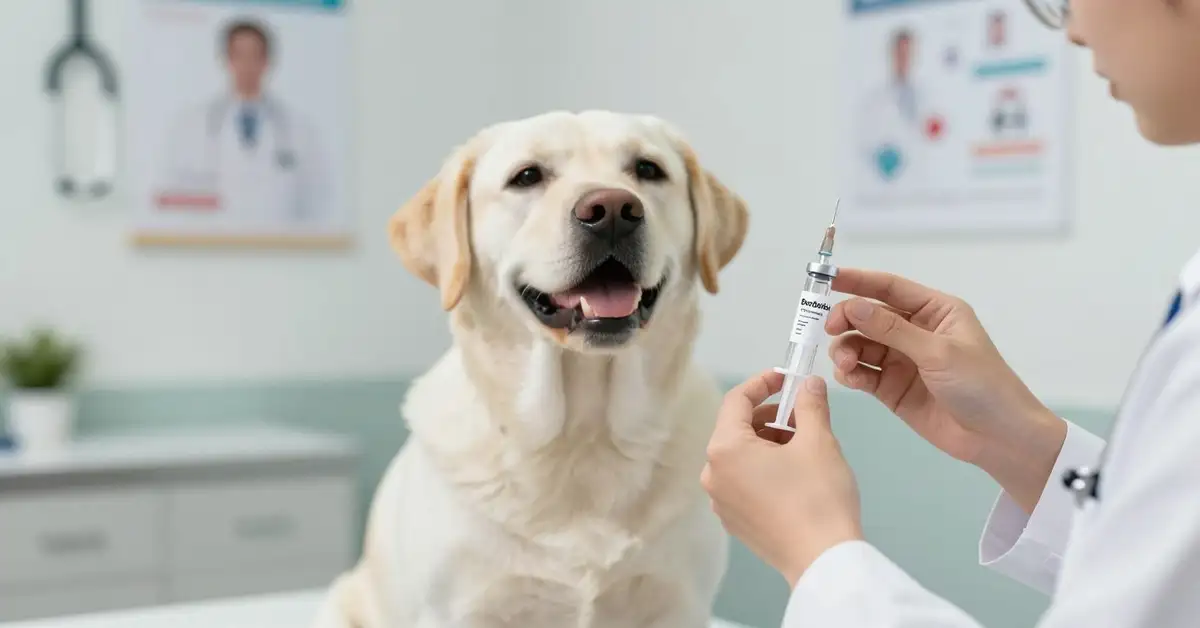
As a dog owner, it’s natural to want to protect your pet from illnesses. One crucial aspect of canine health is the Bordetella vaccine. This vaccine is designed to shield your dog from Bordetella, a highly contagious respiratory disease.
The Bordetella vaccine is particularly important for dogs that are frequently exposed to other dogs, such as those in dog daycare or boarding facilities. By vaccinating your dog, you can significantly reduce the risk of them contracting this uncomfortable and potentially serious disease.
Key Takeaways
- The Bordetella vaccine protects dogs from a highly contagious respiratory disease.
- It’s especially important for dogs that interact with other dogs regularly.
- The vaccine can help reduce the risk of serious health issues.
- Consult with your veterinarian to determine the best vaccination schedule for your dog.
- Keeping your dog up-to-date on their vaccinations is a crucial part of responsible pet ownership.
What is Bordetella and Kennel Cough in Dogs?
As a dog owner, it’s essential to know about Bordetella and kennel cough, a common health issue affecting dogs. Kennel cough, caused by the Bordetella bacterium, is a highly contagious respiratory disease. It’s crucial to understand the causes and symptoms to protect your pet.
Causes and Symptoms
Kennel cough is caused by the Bordetella bronchiseptica bacterium, though it’s often a combination of viruses and bacteria that lead to the condition. The primary symptom is a persistent, harsh cough, which can be distressing for dogs. Other symptoms include:
- Runny eyes and nose
- Sneezing
- Lethargy
- Loss of appetite
The Bordetella bacterium is highly contagious and can be spread through:
- Direct contact with an infected dog
- Airborne transmission
- Contaminated surfaces and objects
Understanding the causes and recognizing the symptoms early can help in managing the condition and preventing its spread. If you suspect your dog has kennel cough, it’s vital to consult with a veterinarian for proper diagnosis and treatment.
The bordetella vaccine dog is a critical tool in preventing kennel cough, especially in high-risk environments like dog daycare centers and kennels. By vaccinating your dog, you can significantly reduce the risk of them contracting the disease.
The Importance of the Bordetella Vaccine for Dogs
The Bordetella vaccine plays a crucial role in protecting dogs against kennel cough, a highly contagious respiratory disease. Kennel cough is caused by the Bordetella bacterium and can lead to severe complications, especially in puppies, senior dogs, or those with compromised immune systems.
Dogs exposed to other canines, whether at dog parks, kennels, or dog daycare, are at risk of contracting kennel cough. The Bordetella vaccine is essential for these dogs to prevent the disease. By vaccinating your dog, you not only protect them but also contribute to the overall health of the canine community.
Failing to vaccinate your dog against Bordetella can lead to serious health issues. Kennel cough can result in costly veterinary bills and prolonged suffering for your pet. Moreover, it can also lead to secondary infections, which can be more challenging to treat.
In summary, the Bordetella vaccine is vital for maintaining your dog’s health, especially in environments where they are exposed to other dogs. By understanding the importance of this vaccine, dog owners can make informed decisions to safeguard their pets.
Types of Bordetella Vaccine for Dogs Available
The Bordetella vaccine comes in different forms, each with its unique characteristics. Dog owners can choose between intranasal and injectable vaccines, depending on their dog’s specific needs and health status.
Intranasal Bordetella Vaccine is administered directly into the dog’s nose. This type of vaccine is known for providing localized immunity, which is crucial in fighting off the Bordetella virus at the site of infection. According to veterinary experts, “Intranasal vaccines offer a more targeted approach to immunity.” This method is often preferred for its effectiveness in reducing the severity of kennel cough symptoms.
Injectable Bordetella Vaccine, on the other hand, is given as a shot, usually subcutaneously. While it may not provide the same level of localized immunity as the intranasal vaccine, it still offers protection against Bordetella. The injectable form is often used in combination with other vaccinations, making it a convenient option for dog owners.
As noted by a veterinary professional, “The choice between intranasal and injectable Bordetella vaccines depends on several factors, including the dog’s health, age, and lifestyle.”
“Ultimately, the decision should be made in consultation with a veterinarian to ensure the best possible protection for your dog.”
In conclusion, understanding the types of Bordetella vaccine available is essential for making an informed decision about your dog’s health. By considering the unique characteristics of each vaccine type, dog owners can work with their veterinarians to choose the most appropriate vaccine for their pet.
When Should Dogs Receive the Bordetella Vaccine?
The Bordetella vaccine schedule is an essential consideration for dog owners who want to protect their pets from kennel cough. Typically, the initial vaccination is administered to puppies between 6 to 8 weeks of age, followed by booster shots as recommended by a veterinarian.
Several factors influence the timing of the Bordetella vaccination, including the dog’s age, health status, and lifestyle. For instance, dogs that are frequently exposed to other dogs, such as those visiting dog parks or boarding facilities, may require more frequent vaccinations.
Factors Influencing Vaccination Timing
- Age: Puppies need their first vaccination at 6-8 weeks, with boosters given as they grow.
- Health Status: Dogs with certain health conditions may require adjusted vaccination schedules.
- Lifestyle: Dogs that are exposed to other dogs frequently may need more frequent vaccinations.
It’s crucial to consult with a veterinarian to determine the best Bordetella vaccine schedule for your dog, as they can provide personalized advice based on your dog’s specific needs and circumstances. By following the recommended vaccination schedule, you can help ensure your dog remains protected against kennel cough.
Effectiveness of the Bordetella Vaccine
Understanding the effectiveness of the Bordetella vaccine is essential for dog owners. The vaccine is designed to protect against kennel cough, a highly contagious respiratory disease in dogs. While it is not 100% effective, the vaccine significantly reduces the severity and duration of the illness.
Factors Affecting Vaccine Effectiveness
Several factors can influence the effectiveness of the Bordetella vaccine. These include the dog’s overall health, the presence of other underlying conditions, and the strain of the Bordetella bacteria. It’s also important to note that the vaccine is not a guarantee against kennel cough, but it is a crucial tool in preventing the disease.
The Bordetella vaccine is available in different forms, including intranasal and injectable. Studies have shown that the intranasal form can provide rapid immunity, often within a few days. However, the duration of immunity can vary depending on several factors, including the type of vaccine used and the dog’s individual response.
In conclusion, while the Bordetella vaccine is not foolproof, it is a vital component of a dog’s preventive care. By understanding its effectiveness and limitations, dog owners can make informed decisions about their pet’s health.
Potential Side Effects of the Bordetella Vaccine for Dogs
Understanding the potential side effects of the Bordetella vaccine is crucial for dog owners who want to ensure their pets’ health and safety. While the vaccine is generally considered safe, it’s not without its risks.
Common side effects of the Bordetella vaccine include mild symptoms such as mild coughing, sneezing, and lethargy. These symptoms are usually temporary and resolve on their own within a few days. In some cases, dogs may experience a loss of appetite or a mild fever.
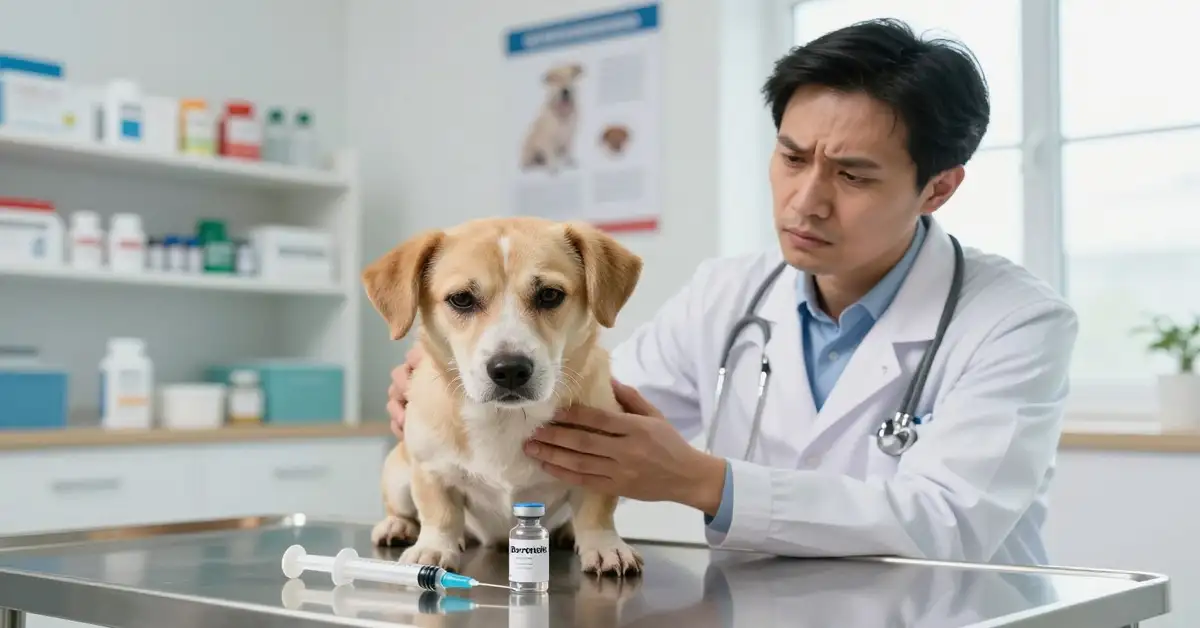
More severe side effects, although rare, can occur. These may include allergic reactions, which can manifest as swelling, hives, or difficulty breathing. If your dog experiences any of these symptoms, it’s crucial to seek veterinary care immediately.
The Bordetella vaccine can also cause adverse reactions in some dogs, such as vomiting or diarrhea. Monitoring your dog’s behavior and health after vaccination is essential to identify any potential issues early.
In conclusion, while the Bordetella vaccine is a vital tool in preventing kennel cough, being aware of its potential side effects is crucial for dog owners. By understanding what to expect, you can better care for your dog and make informed decisions about their health.
When the Bordetella Vaccine May Not Be Recommended
While the Bordetella vaccine is generally considered safe, there are certain situations where it may not be recommended. Dog owners should be aware of these contraindications to ensure the health and safety of their pets.
Pregnant or nursing dogs may not be suitable candidates for the Bordetella vaccine, as the safety of the vaccine in these cases has not been extensively studied. Additionally, dogs with compromised immune systems or certain chronic health conditions may require special consideration before receiving the vaccine.
It’s also important to note that dogs experiencing any kind of illness or infection may need to postpone vaccination until they have fully recovered. Your veterinarian will assess your dog’s overall health and provide guidance on whether the Bordetella vaccine is appropriate.
By understanding these factors, dog owners can make informed decisions about their pet’s health and ensure they receive the best possible care.
Cost of Bordetella Vaccination
The Bordetella vaccine cost can vary based on several factors, including location, veterinary fees, and the type of vaccine administered.
On average, the cost of the Bordetella vaccine can range from $20 to $50 per dose. However, some veterinarians may charge more for the vaccination, especially if it’s part of a package that includes other services like a check-up or other vaccinations.
Factors that can influence the cost include:
- The location of the veterinary clinic
- The veterinarian’s fees
- The type of Bordetella vaccine used (intranasal or injectable)
As one veterinarian noted, “The cost of the Bordetella vaccine is a small price to pay for the protection it offers against kennel cough.”
“Prevention is always better than cure, especially when it comes to highly contagious diseases like kennel cough.”
To get the most accurate pricing, it’s best to consult with your veterinarian directly. They can provide you with the most up-to-date information on the cost of the Bordetella vaccine and help you make an informed decision about your dog’s health.
Bordetella Vaccine Requirements for Boarding and Daycare
Understanding the Bordetella vaccine requirements is crucial for dog owners who frequently use boarding and daycare services. Many facilities require dogs to be vaccinated against Bordetella to prevent outbreaks of kennel cough.
The Bordetella vaccine is essential for dogs that will be in close contact with other dogs, as it significantly reduces the risk of contracting and spreading kennel cough. Boarding and daycare facilities often mandate this vaccine to ensure a safe environment for all dogs in their care.

- Check with the boarding or daycare facility about their specific vaccine requirements.
- Ensure their dog’s vaccinations are up-to-date.
- Keep a record of their dog’s vaccination history.
Some facilities may have additional requirements, such as a waiting period after vaccination before the dog can be admitted. It’s also worth noting that while the Bordetella vaccine is not 100% effective, it significantly reduces the severity and risk of kennel cough.
By understanding and complying with Bordetella vaccine requirements, dog owners can help protect their pets and others, ensuring a safe and healthy environment for all dogs in boarding and daycare facilities.
Special Considerations for Different Dogs
Understanding the special considerations for various dogs is crucial for making informed decisions about the Bordetella vaccine. Different dogs have unique needs based on their age, health status, and lifestyle.
For instance, puppies under a certain age may not be eligible for the Bordetella vaccine, as their immune systems are still developing. Typically, puppies receive their first Bordetella vaccination when they are a few months old, but this can vary based on the veterinarian’s recommendations and the puppy’s health status.
Additionally, dogs with certain health conditions or weakened immune systems may require special consideration. For example, dogs with chronic illnesses or those undergoing treatments that suppress the immune system may need a modified vaccination schedule or may not be good candidates for the vaccine.
Lifestyle factors also play a significant role. Dogs that are frequently exposed to other dogs, such as those that visit dog parks, daycare, or boarding facilities, are at a higher risk of contracting kennel cough and may benefit more from the vaccine.
Some key considerations include:
- The dog’s age and health status
- Lifestyle factors, such as exposure to other dogs
- Previous reactions to vaccinations
By considering these factors, dog owners can make informed decisions about whether the Bordetella vaccine is right for their pet. It’s always best to consult with a veterinarian to determine the most appropriate vaccination plan tailored to the dog’s specific needs.
Bordetella Vaccine Myths and Misconceptions
Many dog owners have misconceptions about the Bordetella vaccine, often due to misinformation. It’s essential to separate fact from fiction to make informed decisions about your dog’s health.
One common myth is that the Bordetella vaccine is unnecessary for dogs that don’t frequent dog parks or boarding facilities. However, the reality is that any dog can be exposed to Bordetella, regardless of their socialization habits. Kennel cough can spread through casual contact with infected dogs, making vaccination a crucial preventive measure.
Another misconception is that the vaccine causes more harm than good. While it’s true that some dogs may experience mild side effects, the benefits of vaccination far outweigh the risks. According to the American Veterinary Medical Association, the Bordetella vaccine is considered safe and effective.
“Vaccination is a critical component of preventive care for dogs, and the Bordetella vaccine is no exception.”
By understanding the facts about the Bordetella vaccine, dog owners can make informed decisions and protect their pets from kennel cough. It’s always best to consult with a veterinarian to address any concerns or questions about the vaccine.
Conclusion: Making the Right Decision About the Bordetella Vaccine
As a dog owner, making the right decision about the Bordetella vaccine is crucial for your pet’s health. The Bordetella vaccine is a vital tool in protecting dogs against kennel cough, a highly contagious respiratory disease.
By understanding the importance of the Bordetella vaccine, the different types available, and the potential side effects, you can make an informed bordetella vaccine decision that is best for your dog.
Consult with your veterinarian to determine the most suitable vaccination schedule and to discuss any concerns you may have. Ultimately, the decision to vaccinate your dog against Bordetella should be based on your pet’s individual needs and lifestyle.